


Antique Country Shelving
Antique country shelving brings sturdy utility and regional character into a room, offering open display space built from honest timber.
Antique Country Shelving
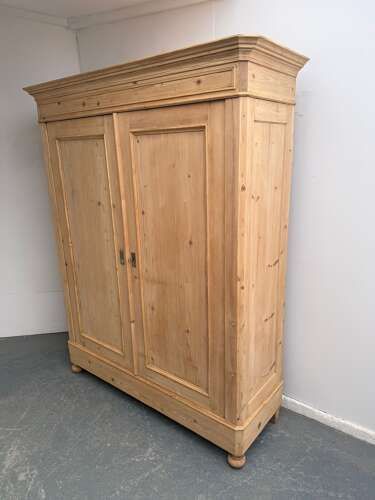
Antique country shelving encompasses functional domestic storage pieces designed for everyday utility in rural homes rather than formal urban parlours. Buyers seeking this aesthetic will find pieces originating primarily from the eighteenth and nineteenth centuries, spanning Georgian, Victorian, and Edwardian eras.
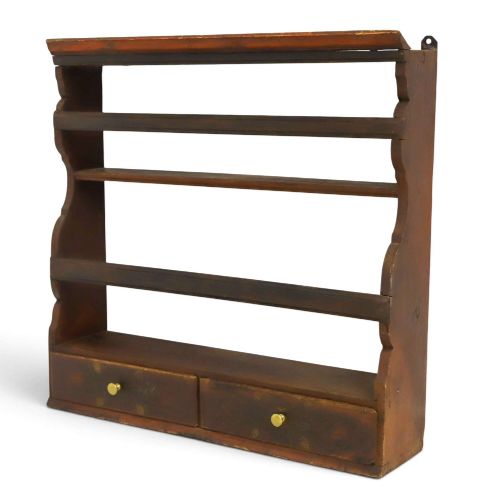
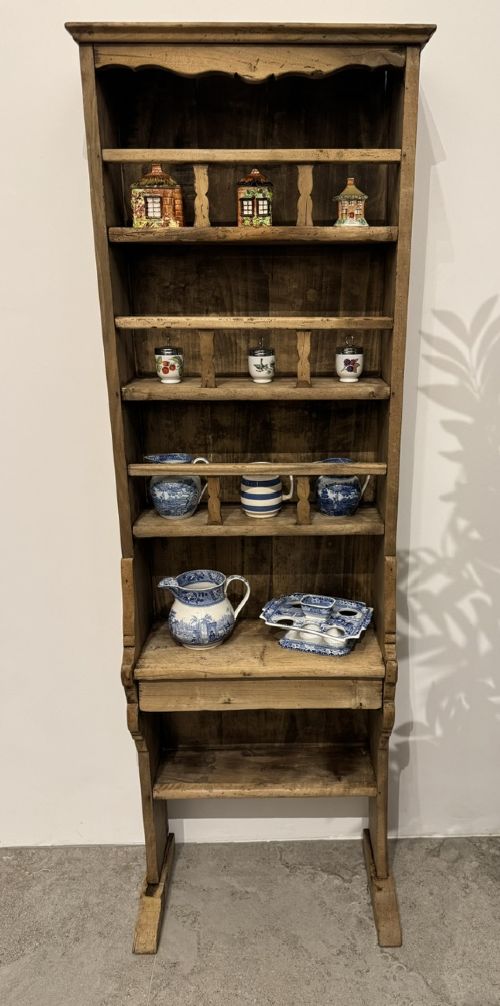
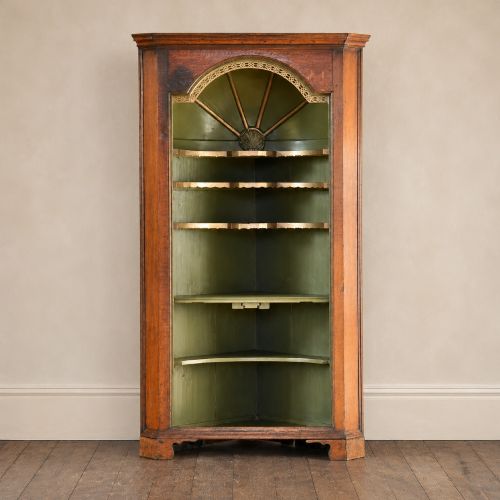
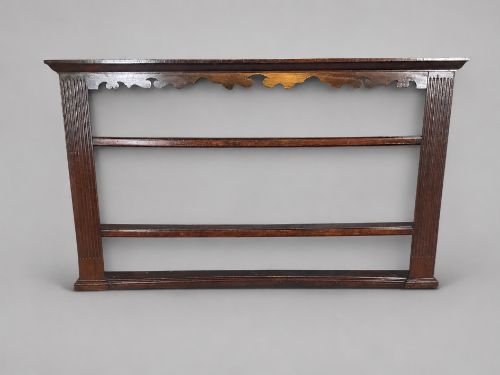
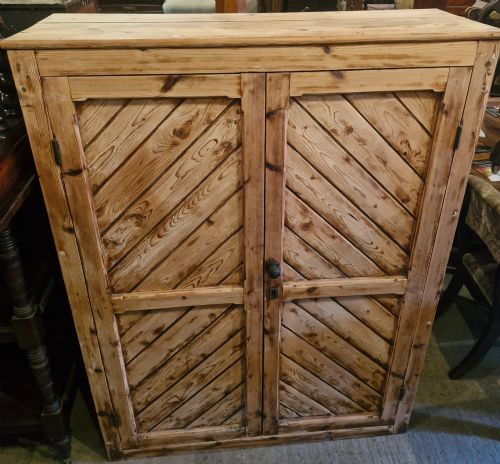
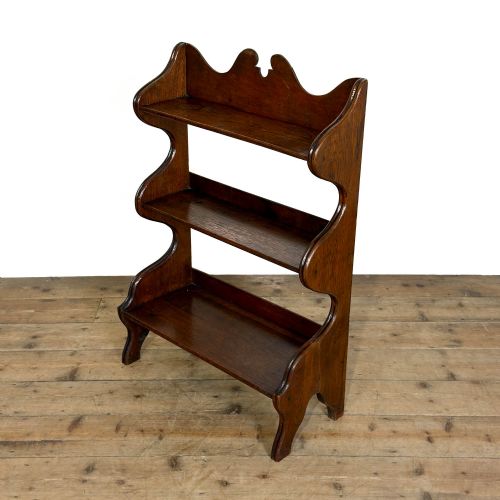
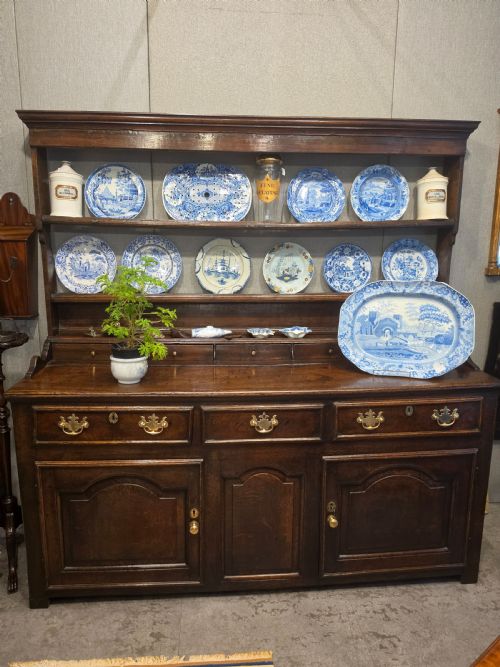
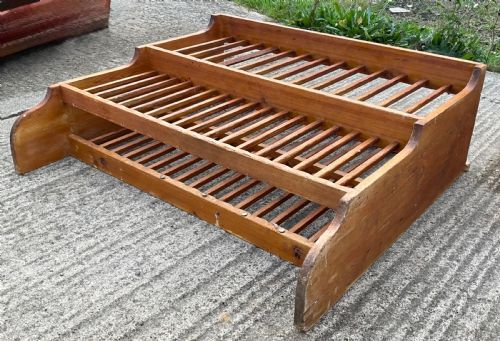
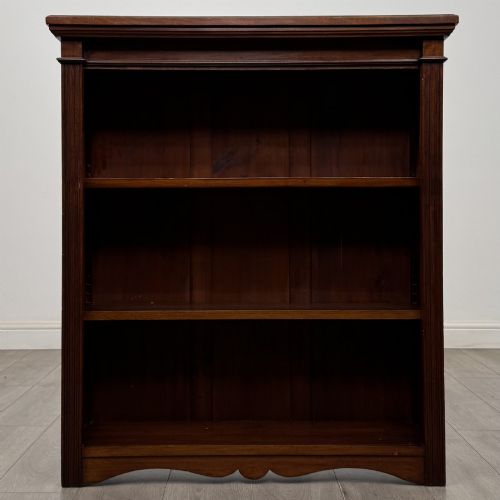
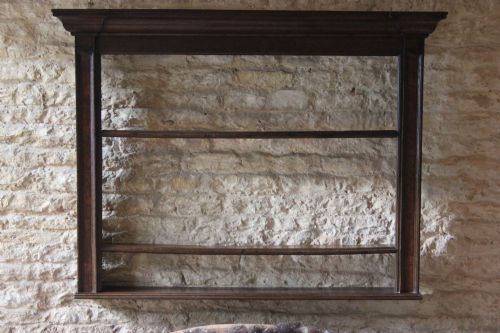
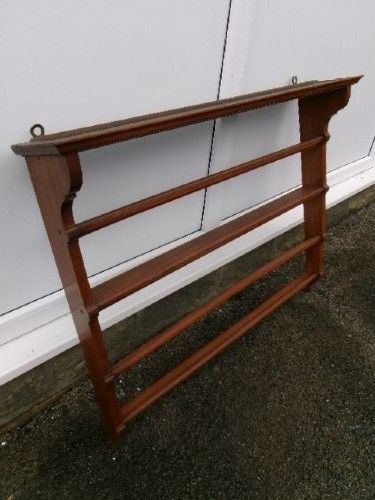
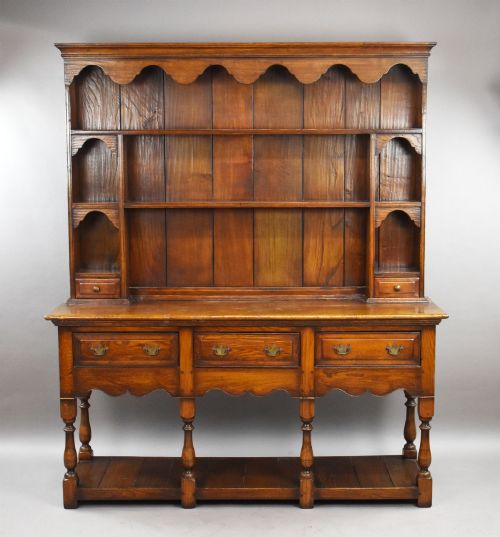
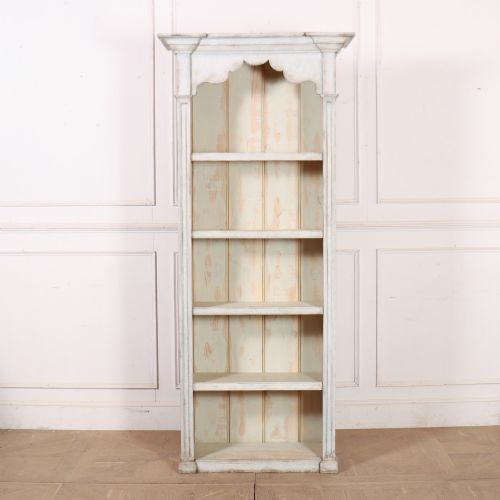
The dominant forms appearing in these selections include wall-mounted plate racks, open bookcases, and substantial Welsh dressers featuring potboards or enclosed cupboards below. Pine and oak predominate as the primary structural timbers, often finished with original painted surfaces or simple wax treatments.
Materials and construction methods
Makers relied heavily upon native timbers such as sturdy oak, adaptable pine, and occasionally mahogany for finer provincial examples. Boards were selected for utility, frequently showing pegged joinery, hand-planed surfaces, and board backs secured with handmade nails.
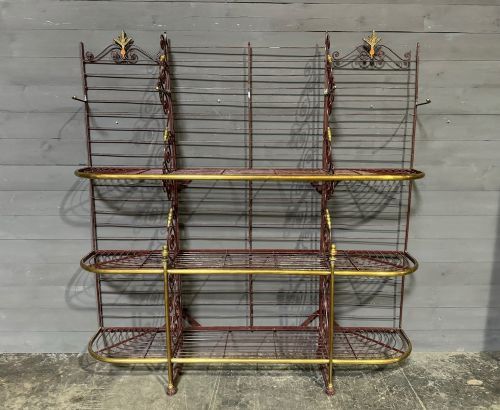
Surface treatments range from bare deal wood and waxed oak to layered historical paintwork in blues and muted tones. Metal elements such as wrought iron framework, brass fittings, and bobbin turnings provide structural support and decorative contrast to the timber.
Antique Country Shelving Retail Price Guide 2026
Typical asking prices for country shelving among the pieces listed under this phrase on Sellingantiques today, from the lower quarter to the upper quarter. They describe what is for sale here now, not the wider market.
Listings feature eighteenth and nineteenth-century oak and pine furniture, including wall racks, dressers, and baker's racks.
Assessing quality in country shelving
Superior examples maintain their original structural integrity and uncompromised proportions, displaying honest patination earned through decades of domestic use. The quality of timber selection and the retention of early or original painted surfaces distinguish finer vernacular furniture from later utilitarian items.
Refinement in joinery, such as cleanly cut dovetails on drawer construction and well-turned legs, elevates specific dressers and bookcases above standard workshop output. Conversely, excessive alterations or stripped surfaces diminish the historical character expected in genuine antique country pieces.
The Antique Country Shelving Glossary
- Welsh dresser
- A large kitchen storage unit combining base cupboards or drawers with an upper tier of open plate shelves. This form evolved to display pewter and earthenware plates while storing culinary goods below.
- Plate rack
- A wall-mounted or integrated shelving unit featuring narrow slats or grooved plate rails designed to hold ceramic dishes upright. These practical racks kept everyday tableware accessible in busy kitchens.
- Potboard
- A lower open shelf positioned near the floor on traditional dressers, originally intended for storing heavy pots and pans. It provides structural stability to the base while utilising otherwise empty space.
- Deal wood
- A historical term for softwood timber, typically fir or pine, widely utilised in British and European vernacular furniture for carcasses and shelving. It offered an affordable and workable material for regional cabinetmakers.
- Bobbin turning
- A form of decorative lathe turning that produces a series of rounded wooden spheres resembling spools or bobbins threaded along a rod. This technique frequently ornamented the uprights of Victorian and Edwardian wall shelves.
Antique Country Shelving: Frequently Asked Questions
What is a Welsh dresser?
A Welsh dresser combines lower storage cupboards or drawers with upper open shelves designed for displaying ceramics.
These versatile pieces functioned as the central storage hub in traditional country kitchens.
How do I hang a wall rack?
Wall racks require secure attachment to wall studs using appropriate fixings matched to the weight of the timber.
Because antique pine and oak racks carry substantial weight, professional installation ensures safe wall mounting.
How do I care for waxed pine?
Waxed pine benefits from occasional applications of natural beeswax to nourish the dry timber and maintain its sheen.
Avoid placing these pieces near direct heat sources or moisture to prevent the historic wood from warping.