



Antique Country Decor
Antique country decor brings rustic character and historical charm into a home through authentic oil paintings, ceramics, and utilitarian objects.
Antique Country Decor
Antique country decor encompasses a wide range of domestic and rural items selected for traditional rustic charm. Buyers searching this phrase look for pieces that reflect historical rural life, from agricultural tools and kitchenware to sporting art and taxidermy.
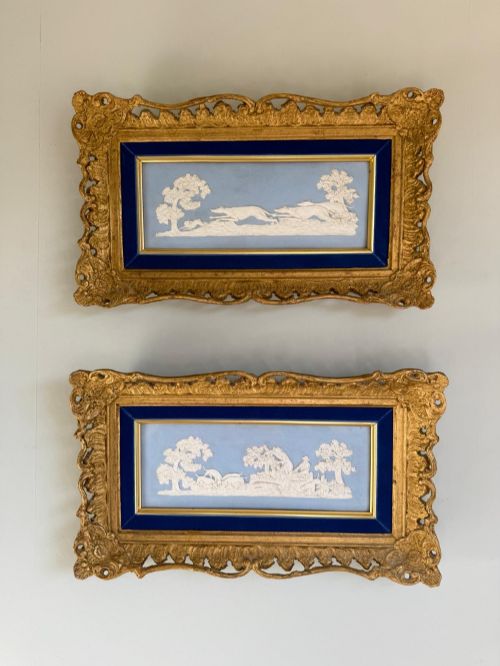
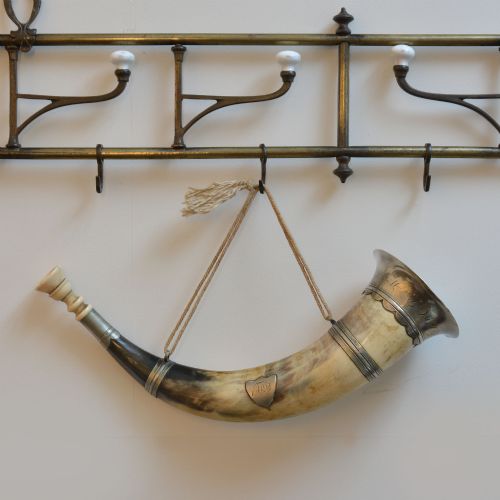
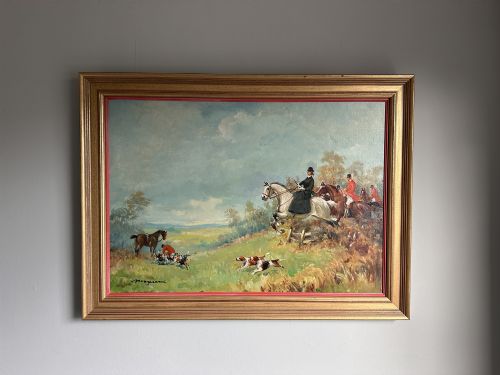
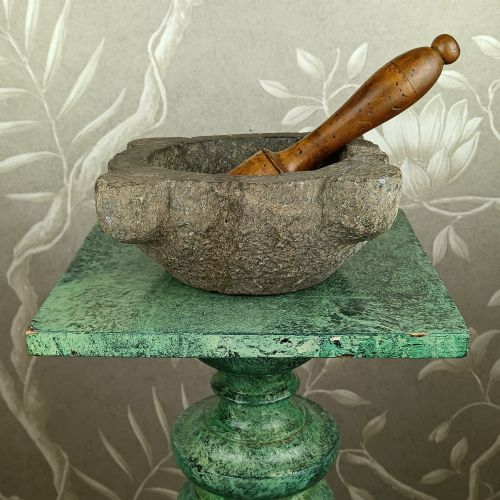
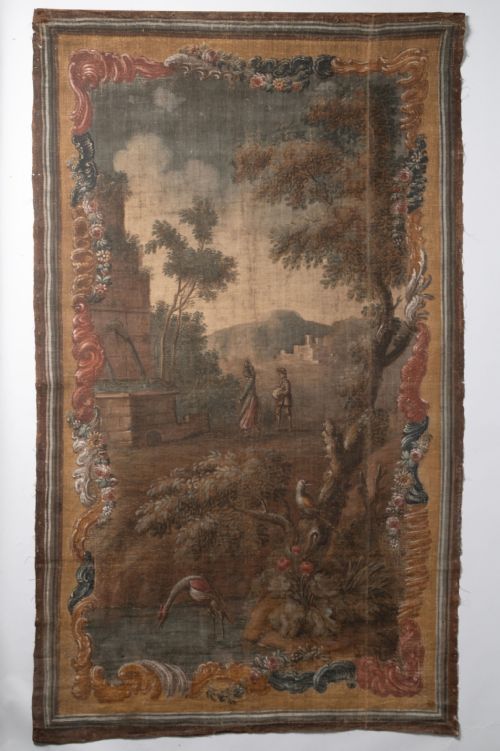
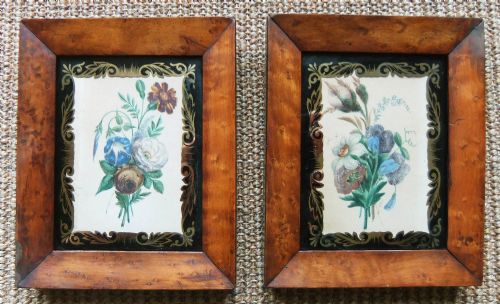
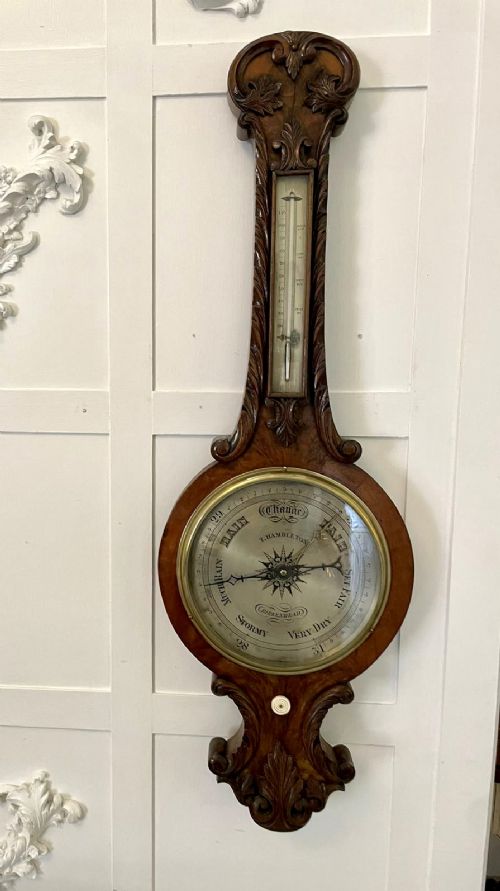
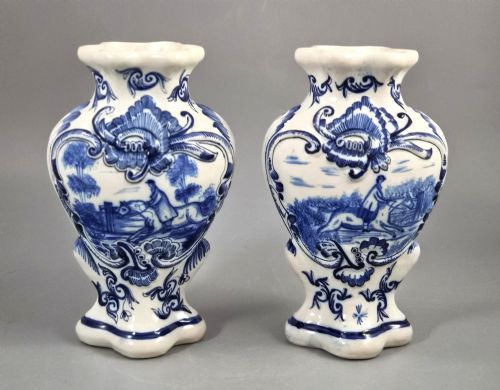
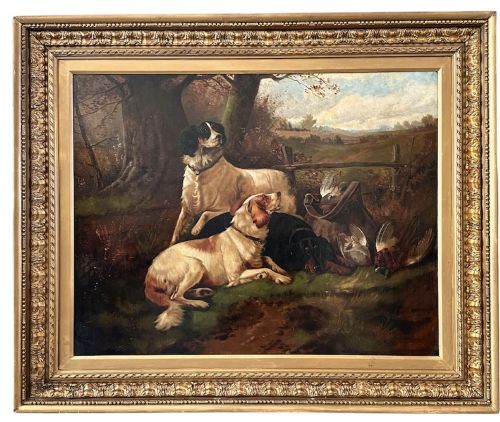
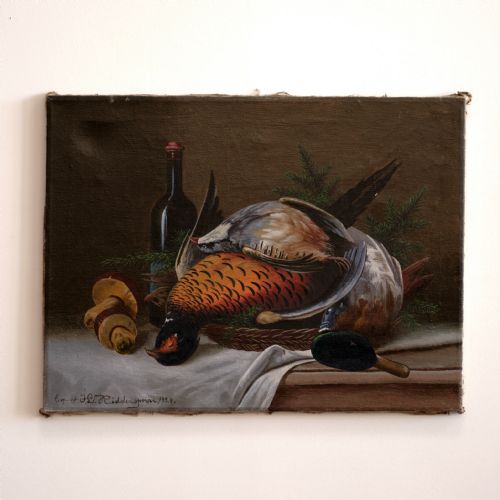
The selections on this page lean heavily towards nineteenth-century and early twentieth-century items. Common forms include framed oil paintings of horses and farmyard scenes, decorative brassware, faience pottery, and handcrafted wooden objects.
Originating largely from British and French traditions, these items bridge the gap between utilitarian purpose and decorative display. A buyer encounters everything from large wall art to small tabletop accessories rooted in historical country houses and farms.
How They Were Made
Wood and canvas dominate the construction of these pieces, alongside metals like brass and silver. Oil paintings utilise traditional canvas and wood panels, while utilitarian items make use of ash, oak, and other robust timbers.
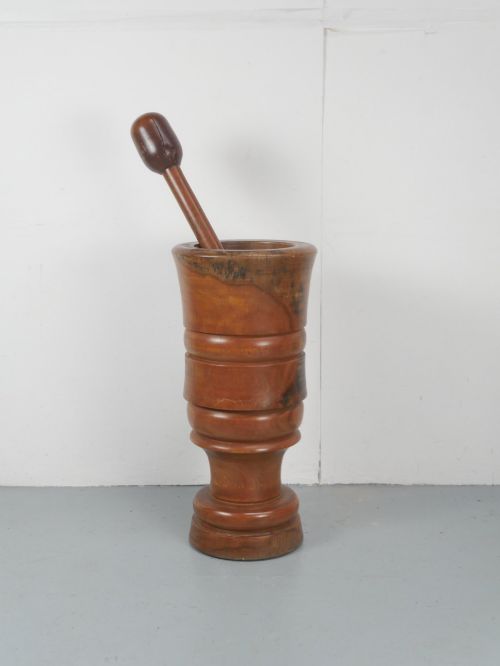
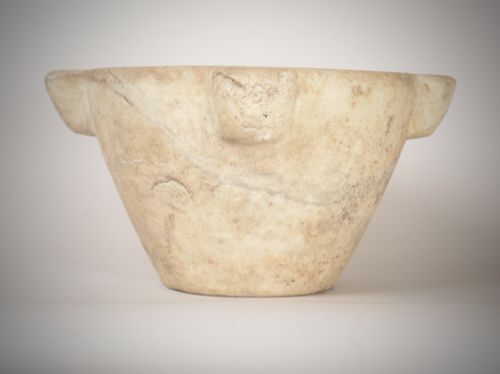
Craftsmanship relies on manual techniques such as hand-carving, traditional joinery, and hand-painted ceramic glazes. Items like wooden hay rakes, tramp art mirrors, and faience pottery show clear evidence of individual maker involvement rather than mass industrial output.
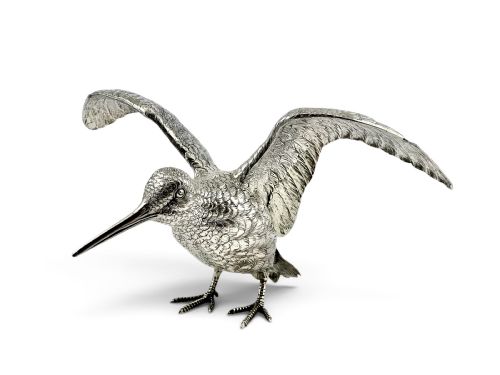
Metals are cast, forged, or beaten into functional shapes, seen in fireplace ornaments, fire dogs, and toleware tea tins. The combination of durable natural materials ensures these objects survive centuries of domestic use.
Antique Country Decor Retail Price Guide 2026
Typical asking prices for country decor among the pieces listed under this phrase on Sellingantiques today, from the lower quarter to the upper quarter. They describe what is for sale here now, not the wider market.
Listings feature items from the eighteenth, nineteenth, and twentieth centuries, using wood, canvas, brass, and oil paint.
What Varies in Quality
Quality in these rural antiques rests on the authenticity of the material and the skill of the execution. Finer oil paintings display confident brushwork and anatomical accuracy in animal subjects, whereas lower-tier examples show stiffness or generic composition.
The preservation of original surfaces dictates the desirability of wooden items and painted metalware. Pieces retaining their honest patination and untouched finishes command greater respect than those stripped or heavily restored.
Handmade ceramics and decorative items vary according to the clarity of the glaze and the crispness of the moulding. Well-defined details in brass mounts and ceramic painting indicate superior workshop standards.
Charles Bilger Spalding·Fourmaintraux-Courquin·John Sargent Noble·George Rankin·Edwin Henry Landseer·Sherwin And Cotton·John Frederick Herring Jnr·Benjamin Cam Norton
The Antique Country Decor Glossary
- Faience
- Tin-glazed earthenware produced in France and other European countries. These pieces often feature hand-painted blue and white designs.
- Toleware
- Lacquered or enamelled metalware, typically tin, used for domestic vessels like tea tins. It often displays decorative painted finishes.
- Taxidermy
- The art of preparing, stuffing, and mounting the skins of animals for display. Whitetail deer mounts are common examples.
- Tramp art
- A sculptural style of woodworking created by itinerant craftsmen using discarded cigar boxes and crates. It frequently utilises chip-carving techniques.
- Horse brass
- Brass plaques attached to heavy horse martingales and harnesses. They feature embossed motifs related to rural and agricultural themes.
Antique Country Decor: Frequently Asked Questions
How do I style antique country decor?
Integrate these rustic items into modern spaces by pairing natural wood textures and oil paintings with neutral backgrounds. They add warmth and historical narrative to living rooms and hallways.
Allow utilitarian objects like brass watering cans or wooden hay rakes to serve as standalone focal points. Mixing different periods from the nineteenth and early twentieth centuries creates an authentic collected aesthetic.
Are these pieces suitable for daily use?
Many items, such as brass stick stands and ceramic vases, remain entirely functional for contemporary homes. Others require more careful placement to preserve delicate surfaces.
Paintings and taxidermy need protection from direct sunlight and excessive moisture. Utilise sturdy wooden pieces gently to maintain their historical patination without causing new wear.
How can I date rural paintings?
Examine the canvas preparation, stretcher frames, and framing materials for clues regarding the age of an oil painting. Canvas laid onto board often points to nineteenth-century conservation practices.
Subject matter and artist signatures provide further context. Nineteenth-century sporting art and animal portraits frequently reflect specific Victorian and Georgian aesthetic conventions.
What is folk art in this context?
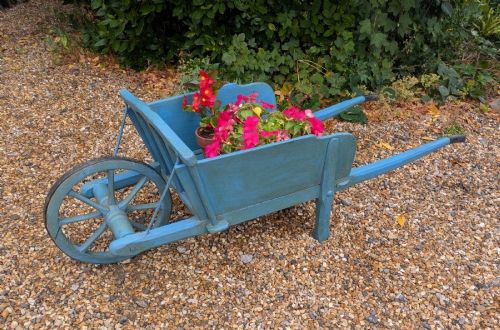
Folk art encompasses utilitarian objects and decorative pieces made by self-taught or provincial artisans. Decoy pigeons and hand-carved wheelbarrows fall into this expressive category.
These items prioritise practical utility and personal craftsmanship over academic artistic rules. They capture the everyday material culture of rural communities.