
Antique Counter
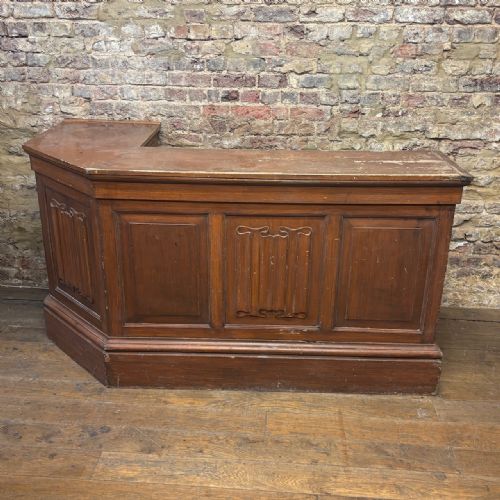
An antique counter brings tangible mercantile history into a home, offering sturdy working surfaces and compartmented storage born from nineteenth and twentieth-century shops.
Antique Counter
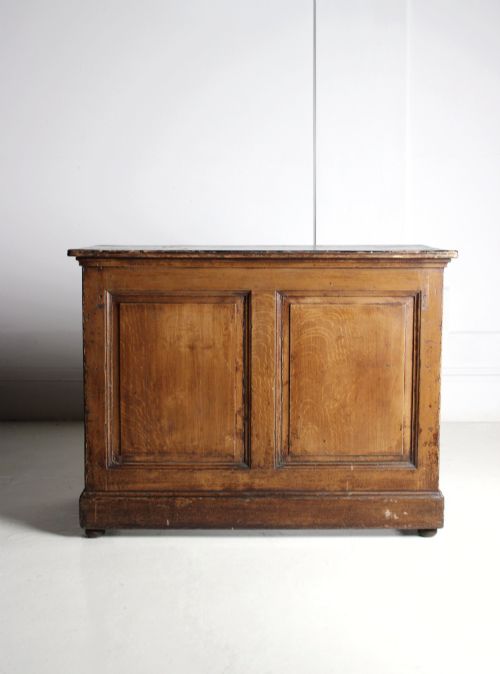
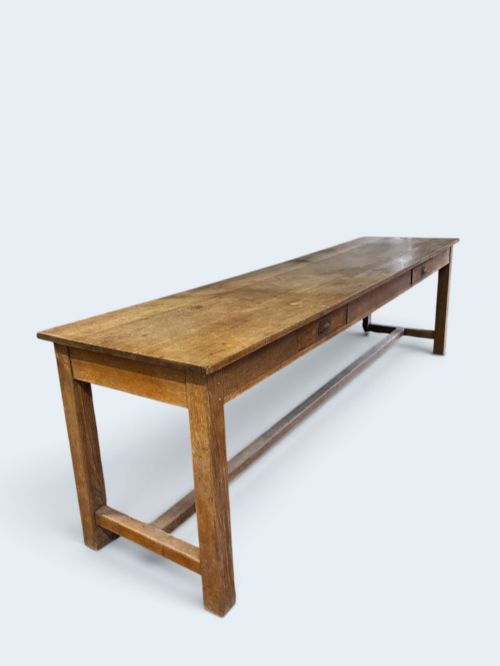
When you search for an antique counter, you encounter commercial furniture originating from trade, hospitality, and domestic workspaces across the nineteenth and early twentieth centuries. These pieces span robust oak commercial counters, pine bakers preparation tables, and painted drapers tables built for heavy daily use.
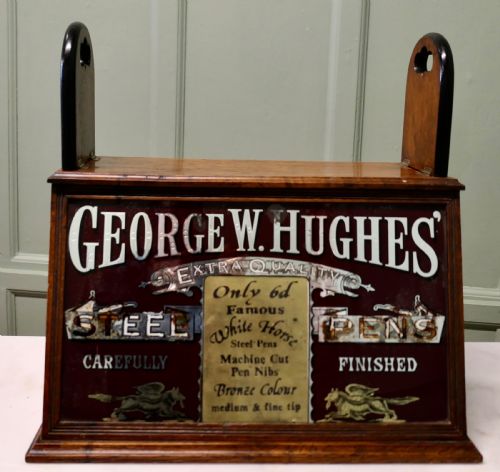
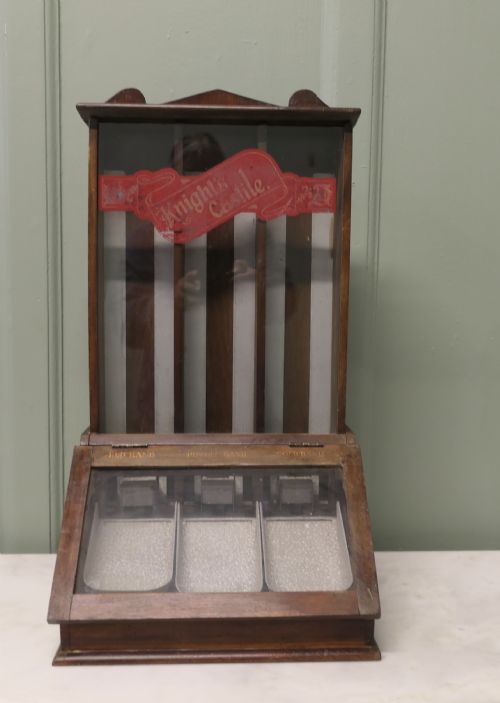
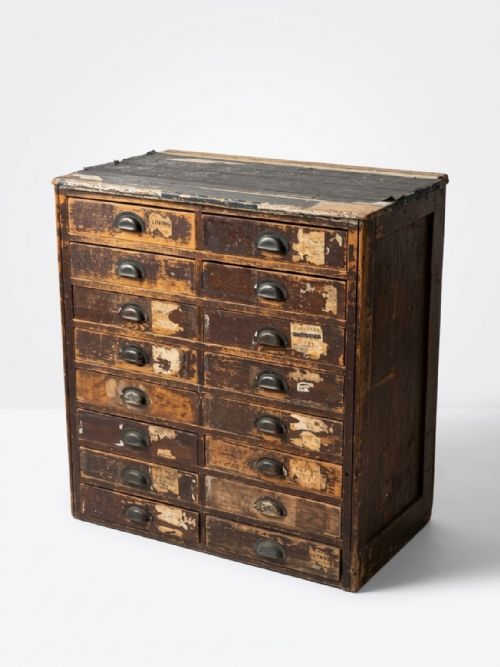
The selections on this page incorporate variations from Victorian and Edwardian shop fittings alongside rustic farmhouse and industrial styles. Pieces often reflect specific retail trades, including haberdashery cabinets, stationers cupboards, and pub serving furniture.
Originating predominantly from British and European workshops, these commercial survivors range from simple painted pine setups to substantial oak retail fixtures designed to anchor a room.
Materials and construction methods
Construction relies heavily on durable timbers such as oak, pine, and mahogany, selected for their structural strength in busy commercial environments. Secondary woods appear in internal framing and drawers, while auxiliary elements utilise cast iron, brass, and chrome fittings.
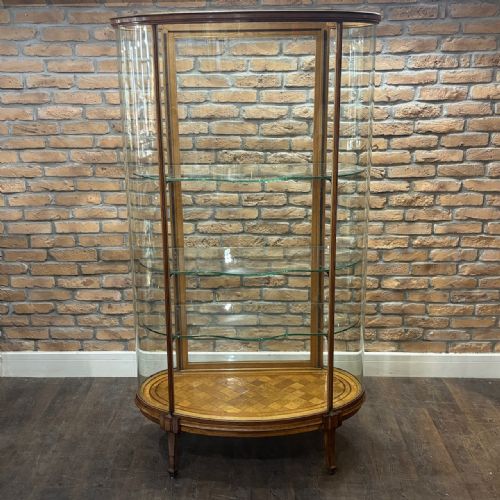
Surface treatments vary from distressed painted finishes and faux oak graining to polished hardwoods and glass display sections. Mechanical dispensing units, sliding panels, and heavy hardware demonstrate practical craftsmanship geared toward commercial longevity.
The listings feature commercial counters spanning from the Georgian period through the 1930s, constructed primarily in oak, pine, and mahogany.
Assessing quality and authenticity
Superior examples exhibit original commercial hardware, intact glazing, and authentic patina accumulated from decades of retail service. The integration of maker plates, specific trade stamps, and unaltered internal configurations elevates a piece.
Lower tiers of quality involve heavy later alterations, mismatched replacement timber, or stripped surfaces that remove the historical context of the working shop floor. Originality in paint finishes and functional mechanisms dictates the standing of each piece.
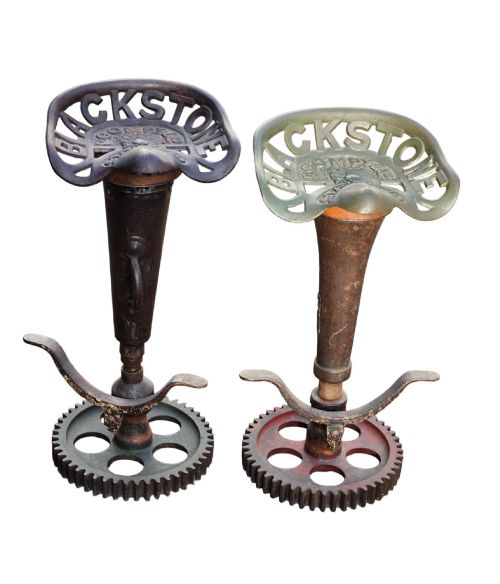
Blackstone and Co·Herbert and Sons·F Sage and Co·WMF·W and T Avery·Dudley and Co·Casartelli Manchester
The Antique Counter Glossary
- Haberdashery counter
- A retail display and storage unit featuring multiple small drawers or glass compartments designed for textiles and sewing notions. These fixtures allowed merchants to organise small items efficiently.
- Drapers table
- A wide, long wooden table utilised in fabric shops for measuring and cutting cloth. They usually feature shallow top drawers and generous under-tier storage.
- Faux oak
- A painted finish applied to cheaper softwood surfaces to imitate the appearance of expensive timber. It demonstrates nineteenth-century decorative painting techniques used in commercial settings.
- Shop fitting
- Custom cabinetry and architectural elements built specifically for interior retail spaces. These pieces are engineered for heavy public interaction and specific merchandising needs.
Antique Counter: Frequently Asked Questions
How do I use an antique counter at home?
An antique counter functions effectively as a kitchen island, a hallway console, or a primary workspace in a study. The deep drawers and lower shelves provide practical storage for modern household items.
Positioning the piece away from direct heat sources helps preserve old timber and historic painted surfaces. Regular waxing maintains the moisture balance in exposed hardwoods and softwoods.
Were these counters made for shops only?
While many pieces originated in drapery shops, hardware stores, and general merchants, others served in pubs, bakeries, and offices. Commercial workshops built them to withstand constant public interaction and heavy stock loads.
Domestic spaces later adopted these robust forms because their dimensions and storage capacities suited everyday utility.
How do I date an antique counter?
Dating relies on examining construction techniques, timber species, hardware styles, and any accompanying trade stamps or manufacturer labels. Dovetail joints cut by hand generally point toward earlier nineteenth-century production.
Machine-sawn timber and the introduction of chrome or pressed steel hardware indicate later nineteenth or twentieth-century manufacturing periods.
Are painted finishes on shop counters original?
Many commercial counters received multiple coats of paint during their working lives to maintain a clean appearance in the shop. Original paint layers often exhibit craquelure, wear patterns, and distinct underlying colours.
Distinguishing between historic working paint and later decorative over-painting requires close inspection of surface adherence and accumulated wear.