


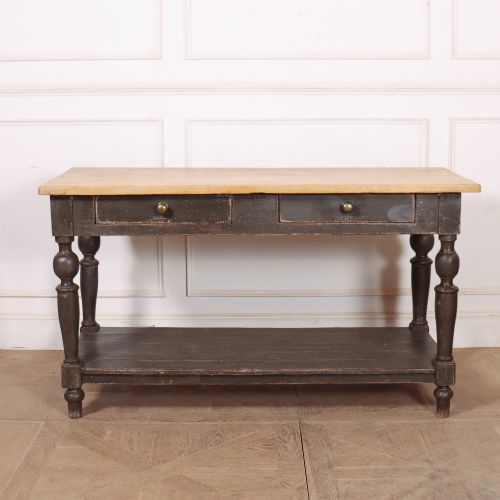
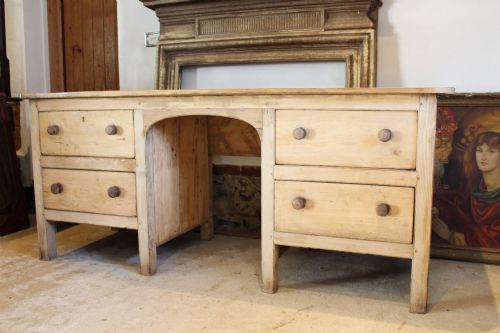


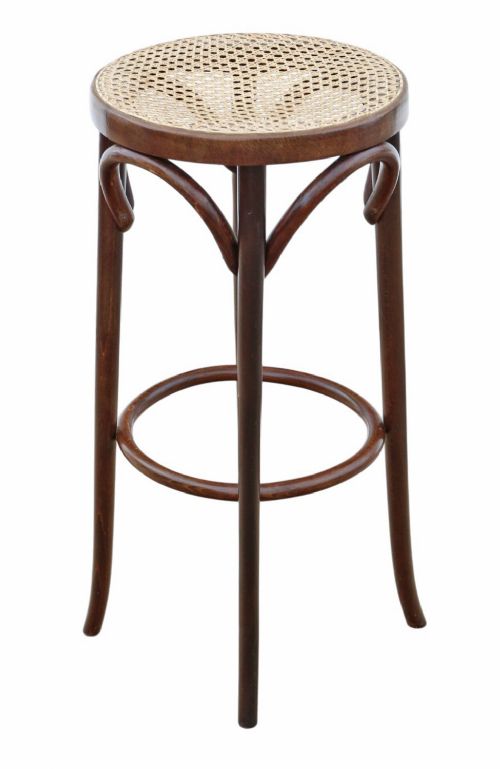


Antique Counter Top
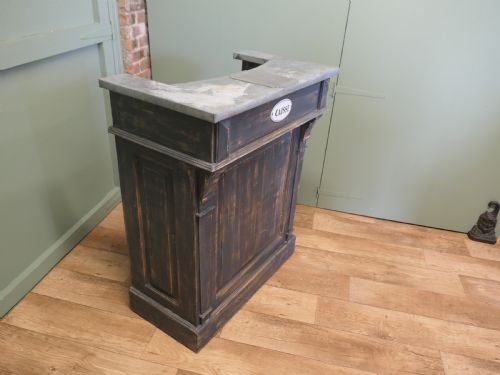
These antique counter top pieces bring utilitarian shop fittings and display cabinets into domestic interiors with distinct period character.
Antique Counter Top
An antique counter top selection comprises commercial display cabinets, small storage units, and specialised display cases originating from the nineteenth and early twentieth centuries. These objects stem from retail and trade environments, including pharmacies, drapers, and confectioners.
The assortment includes glazed timber cabinets, table-top display cases, mechanical dispensers, and specialised shelving units. Pieces date across the Victorian, Edwardian, and Art Deco periods, reflecting commercial utility and retail presentation of past eras.
Materials and Technique
Construction relies heavily on durable hardwoods such as mahogany and oak, alongside pine, elm, and sycamore for internal framing and carcass work. Glazed sections utilise clear plate glass to showcase retail goods.
Metal components incorporate brass frames, silver-plated elements, and iron hardware, while specialised finishes involve hand-painted surfaces and applied sign-writing for brand display.
Antique Counter Top Retail Price Guide 2026
Typical asking prices for counter top among the pieces listed under this phrase on Sellingantiques today, from the lower quarter to the upper quarter. They describe what is for sale here now, not the wider market.
Some display cabinets preserve original chocolate brand sign-writing, testifying to decades spent tempting Victorian sweet-tooths.
Build and Integrity
Standard varies according to the original commercial purpose, the grade of timber utilised, and the survival of original glass panes and internal fittings. Cabinets featuring mechanical dispensing actions or maker inscriptions demonstrate higher specialist execution.
The integrity of corner joints, timber grain selection, and original hardware differentiation set sturdier retail pieces apart from simpler domestic adaptations.
G H Gledhill Halifax·Saml Elliott And Sons·Quincy Showcase Works Illinois·H And L Epstein
The Antique Counter Top Glossary
- Dispensing Cabinet
- A specialised retail fixture designed to store and distribute goods mechanically or manually. These units often incorporate internal metal mechanisms or spring-loaded release parts.
- Drapers Table
- A large commercial table utilised in fabric retail for measuring and cutting textiles. They frequently feature deep timber tops and multiple storage drawers beneath.
- Display Case
- A glazed enclosure intended for the protection and viewing of merchandise. These items rely on timber framing and glass panels to maintain visibility.
- Sign-Written
- Painted lettering applied directly to glass or timber surfaces for commercial branding. This technique indicates original retail deployment.
Antique Counter Top: Frequently Asked Questions
What were antique counter top cabinets used for originally?
These cabinets sat upon shop counters in pharmacies, drapers, and grocery stores to display small merchandise securely to customers. Retailers used them to protect delicate goods while maintaining clear visibility.
Over time, merchants adapted these fixtures for various trades, utilising specialised compartments and glass fronts to merchandise sweets, soaps, and tobacco.
How do I identify a Victorian piece from an Edwardian one?
Victorian examples often feature heavier timber mouldings, darker mahogany finishes, and robust brass hardware suited to dense commercial interiors. They emphasise solid construction and utilitarian durability.
Edwardian and later pieces frequently display lighter oak or maple tones, alongside more refined glazing bars and streamlined frames that reflect changing retail aesthetics.
Can these cabinets be used in a modern kitchen?
The compact proportions and glazed panels suit placement on domestic kitchen islands, sideboards, or dining tables for storage and display. They provide secure shelving for tableware and decorative items.
Their commercial heritage allows them to function as practical storage units while introducing distinct historical texture to contemporary living spaces.
Are the glass panels usually original?
Many surviving pieces retain their original float or cylinder glass panes, which display minor surface ripples and historical imperfections. Inspecting the glass reveals period manufacturing traits.
Replacement glass is occasionally fitted during restoration to ensure structural safety, though surviving original panes remain preferable for authenticity.