






Antique Counter Top Case
An antique counter top case brings the tactile retail history of the high street straight into a modern interior.
Antique Counter Top Case
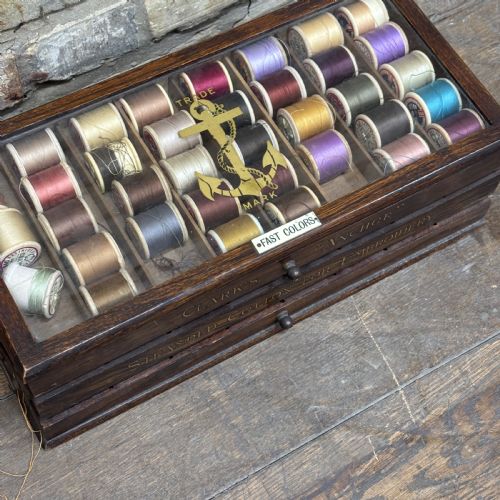
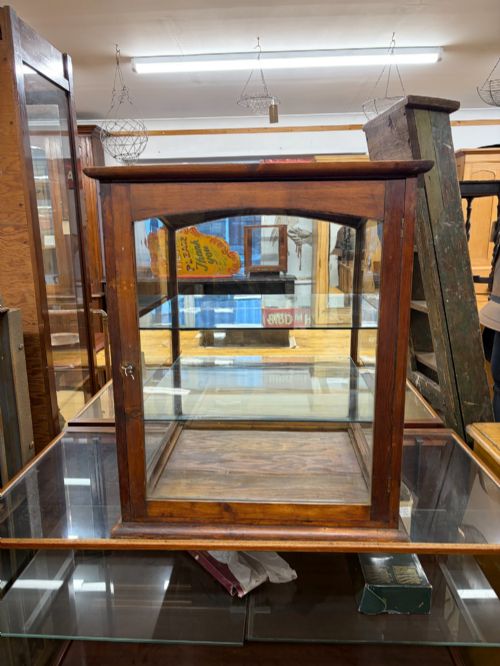
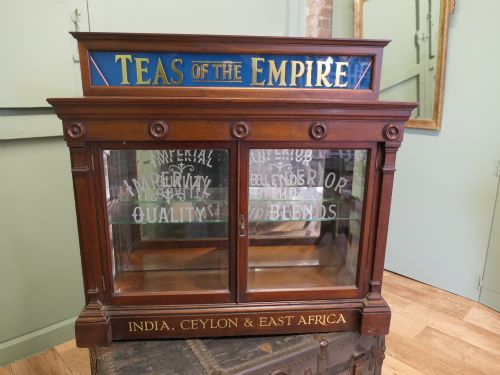
An antique counter top case is a shop display vitrine designed to sit atop retail furniture and showcase small, valuable goods to customers. These glazed cabinets appeared in chemists, grocers, and confectioners throughout the Victorian, Edwardian, and early twentieth-century commercial periods.
The pieces on this page span display cabinets, shop display cabinets, display counters, and display cases. They originate from the nineteenth century, the Edwardian era, and the 1900s through to the 1930s, reflecting the golden age of specialised retail merchandising.
Buyers frequently encounter specialised commercial forms such as mechanical dispensing cabinets, chemist counters, and branded chocolate or pencil showcases. These items range from simple oak and mahogany countertop boxes to large brass-framed architectural counters.
How they were made
Maker-joiners constructed these cabinets primarily in dense, durable hardwoods like mahogany and oak, often utilising ebonised wood for striking contrast. Structural frames relied on traditional mortise and tenon joinery to bear the weight of heavy glass panels and daily commercial use.
Glazing forms the primary visual boundary, held securely within timber or brass framing to offer unobstructed all-around visibility of the goods inside. Interior surfaces were frequently lined with felt or velvet to cushion merchandise, while back doors, drawers, and mechanical dispensing levers provided functional access for the shopkeeper.
Antique Counter Top Case Retail Price Guide 2026
Typical asking prices for counter top case among the pieces listed under this phrase on Sellingantiques today, from the lower quarter to the upper quarter. They describe what is for sale here now, not the wider market.
The listings show counter top cases spanning the Victorian period through to the 1930s, utilising oak, mahogany, brass, and ebonised wood.
What varies in quality
Quality rests upon the structural integrity of the timber framing and the clarity and originality of the glass panes. Cabinets constructed with fine hardwoods like mahogany display a tighter grain and superior ageing compared to simpler utility pieces.
The presence of original manufacturer details, working mechanical dispensers, and authentic merchant signage elevates the historical interest of a piece. Finer examples retain their original brass hardware, velvet linings, and operational back doors without modern replacement timber.
Saml Elliott & Sons·Quincy Showcase Works
The Antique Counter Top Case Glossary
- Counter top case
- A glazed display vitrine built specifically to sit on top of a retail shop counter. These units placed small goods at eye level for the customer.
- Ebonised wood
- Timber treated with a chemical stain or finish to imitate expensive ebony. It was popular in commercial joinery for a crisp, dark appearance.
- Mechanical dispensing cabinet
- A specialised retail case featuring internal springs or levers that release stock upon operation. They were common in soap and confectionery sales.
- Vitrine
- A glass-fronted cabinet used for displaying delicate objects or merchandise. In retail, these protected goods from dust and handling while maintaining visibility.
- Mortise and tenon
- A traditional woodworking joint where a protruding peg fits snugly into a matching hole. This method provides robust structural rigidity for heavy glass cabinets.
Antique Counter Top Case: Frequently Asked Questions
What were antique counter top cases used for?
Merchants used these glazed cabinets on shop counters to display small, high-value items directly to customers. They protected goods like chocolate, soap, pencils, and chemist supplies from dust and casual handling.
The glass enclosure allowed buyers to inspect products closely while keeping stock secure behind locked doors or back panels managed by the shopkeeper.
Are the glass panels usually original?
Many surviving cabinets retain their original glass, which often exhibits minor surface bubbles, waviness, and slight thickness variations typical of early production methods.
Replacement panes do appear due to the fragile nature of shop displays, so examining the putty lines and glass characteristics helps determine originality.
How do I style a counter top case at home?
These cabinets suit tabletops, sideboards, or kitchen counters where their glass panels can catch the light and display curated collections. The interior velvet or wooden base provides a neutral background for small objects.
Opening the back door allows you to arrange personal items, turning a piece of commercial history into a personal display vitrine.