



Antique Cosmetic Mirror
An antique cosmetic mirror brings dressing-table elegance into daily use, offering small hinged looking glasses paired with compartments for powder and scent.
Antique Cosmetic Mirror
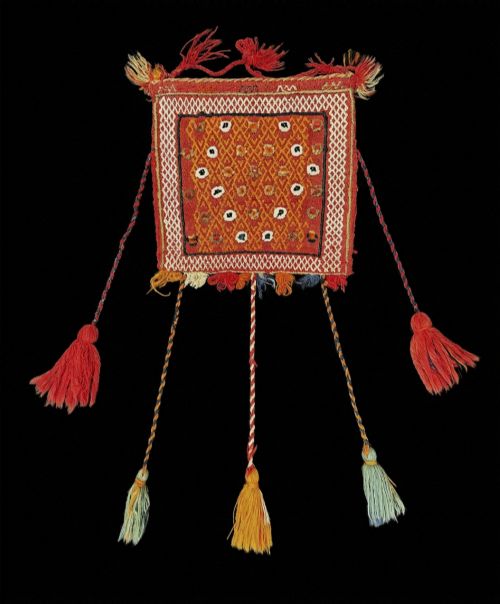
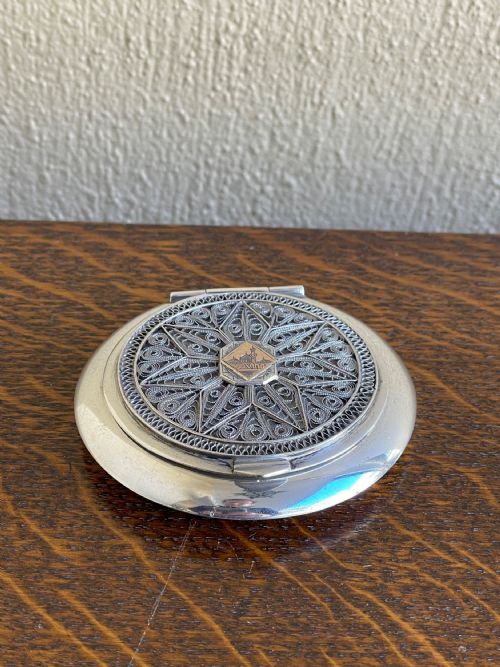
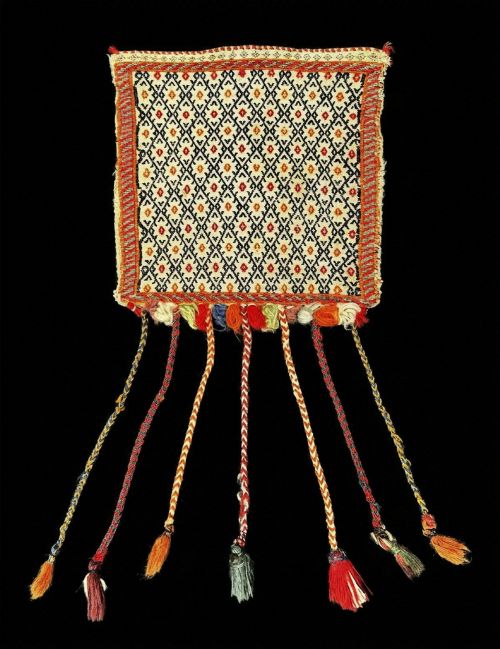
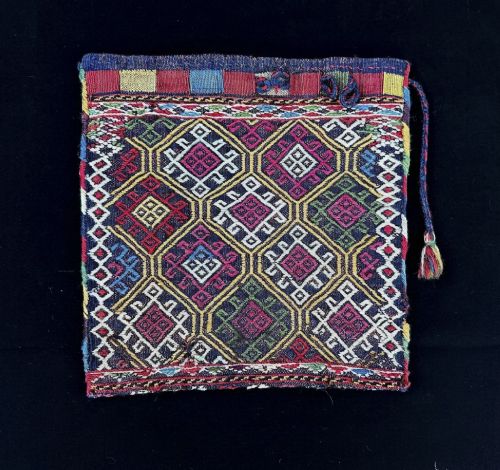
When buyers search for an antique cosmetic mirror, they encounter a diverse range of vanity items spanning the Victorian era through the Art Deco period. The selection includes sterling silver compacts, fitted travelling sets in burr walnut, and woven vanity-bags from Persian tribal makers.
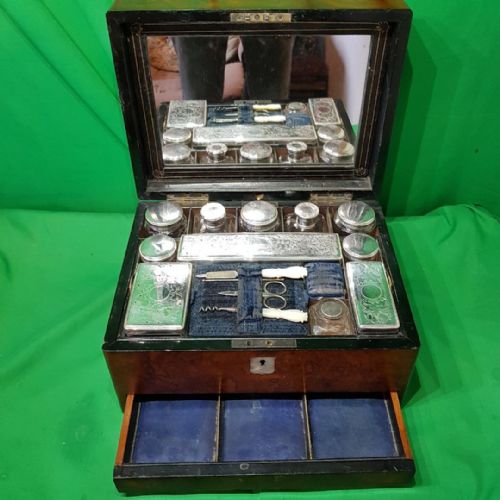
The Victorian examples lean towards substantial wood cases like burr walnut travelling sets designed for domestic dressing tables. Meanwhile, the later Art Deco items showcase geometric designs, two faces motifs, and combination cases tailored for the modern woman of the 1930s.
How they were made
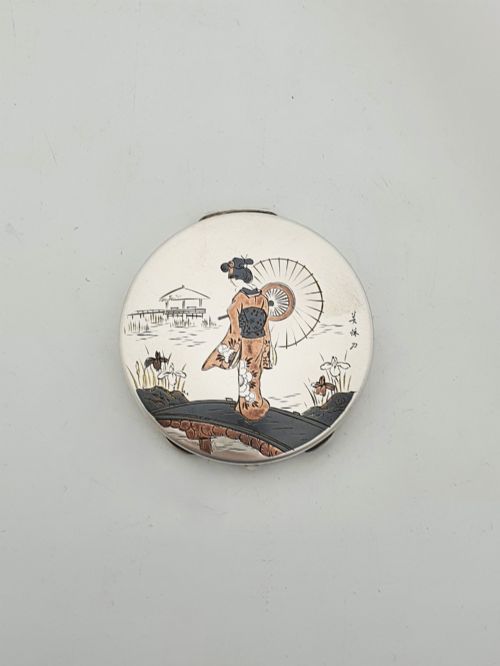
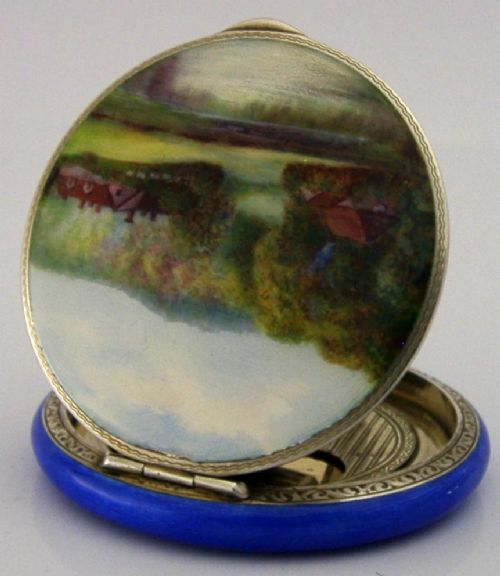
Metal items rely heavily on sterling silver, brass, and applied enamel, frequently enhanced with hand-painted details or soldered filigree wirework. Silversmiths and manufacturers shaped these metals into compact cases and combination sets designed for daily pocket or handbag use.
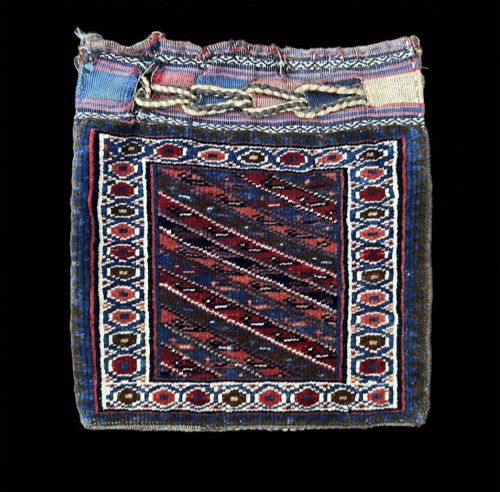
Textile vanity-bags utilise wool and cotton foundations, incorporating traditional tribal weaving techniques from regions like North Persia, Azerbaijan, and the Fars Province. These soft containers served nomadic communities for carrying personal grooming items securely.
Woodworking craftsmanship is visible in Victorian travelling sets constructed from burr walnut, featuring fitted interior compartments for various toilet bottles and mirrors.
Antique Cosmetic Mirror Retail Price Guide 2026
Typical asking prices for cosmetic mirror among the pieces listed under this phrase on Sellingantiques today, from the lower quarter to the upper quarter. They describe what is for sale here now, not the wider market.
Some compacts even feature two painted faces staring right back at you while you check your powder.
What varies in quality
The refinement of surface decoration distinguishes standard pieces from superior examples, particularly in the precision of hand-painted enamel scenes and the intricacy of silver filigree lids. Well-preserved pigments on compacts and intact weaving on tribal vanity-bags indicate careful preservation over the decades.
Structural integrity across the metal hinges of Art Deco compacts and the fitted internal partitions of Victorian burr walnut boxes determines practical usability. Maker attribution, such as signed pieces by Richard Hudnut, introduces a distinct level of historical documentation.
Richard Hudnut
The Antique Cosmetic Mirror Glossary
- Filigree
- Fine metal wire, typically silver or gold, soldered into openwork patterns. This delicate technique appears frequently on Middle Eastern compact lids.
- Burr walnut
- A prized timber veneer showing swirling, knotty grain patterns. Victorian cabinet makers utilised this wood for luxurious travelling and vanity sets.
- Enamel
- A glassy substance fused to metal through firing to produce smooth, coloured decoration. It provides durable ornamentation on metal compact cases.
- Powder compact
- A small handheld metal box containing a mirror and a sift for loose or pressed face powder. These accessories became prominent during the early twentieth century.
- Vanity-bag
- A small bag or pouch used by nomadic tribes to carry personal grooming items. Examples often feature traditional wool and cotton flatweave or pile construction.
Antique Cosmetic Mirror: Frequently Asked Questions
What is an antique cosmetic mirror?
An antique cosmetic mirror refers to historical dressing items incorporating reflective glass, ranging from small pocket powder compacts to fitted travelling cases.
These pieces span the Victorian period through the 1930s Art Deco era, often combining silver, enamel, and walnut construction.
How do I date an Art Deco compact?
Art Deco compacts from the 1930s typically display characteristic geometric motifs, stylised faces, and combination cases designed for modern cosmetics.
Maker signatures and hallmarks stamped into the metal often provide precise manufacturing dates.
What materials are common in these mirrors?
Common materials include sterling silver, brass, coloured enamel, and burr walnut wood across European and British items.
Tribal examples from the Middle East rely on natural wool and cotton textiles.