

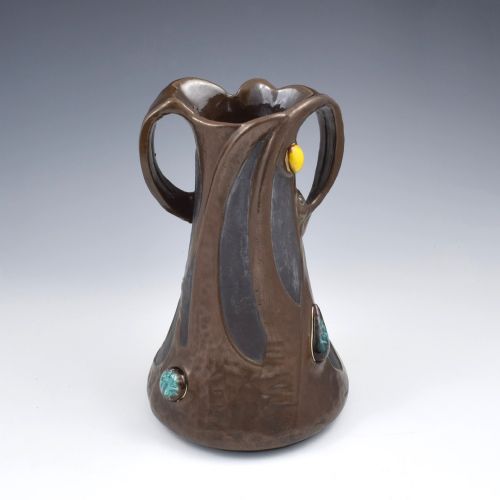


Antique Copper Vase
An antique copper vase brings warmth and heavy metal texture into a room, offering a rich surface that shifts with the light.
Antique Copper Vase
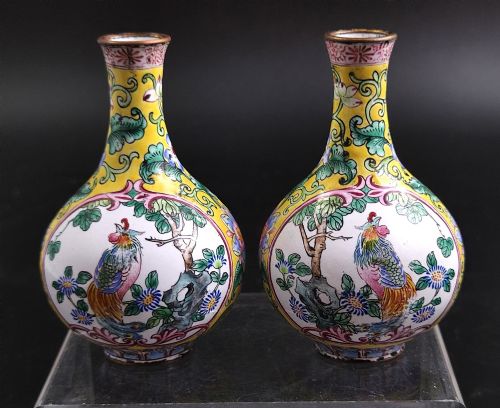
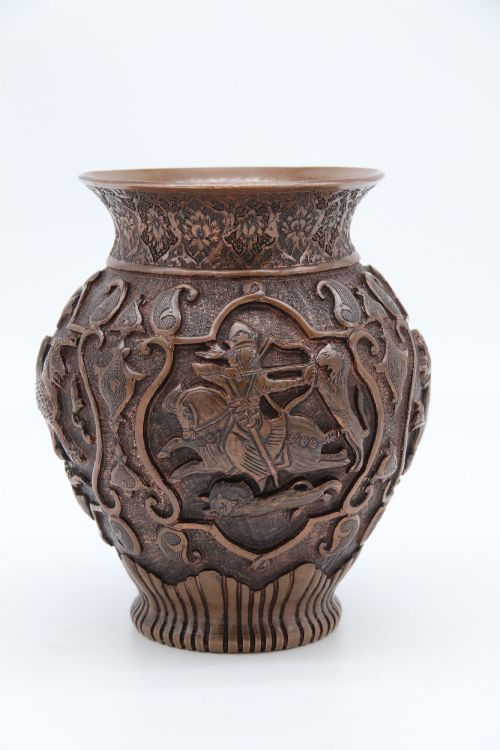
When you search for an antique copper vase, you encounter a range of forms spanning European, Asian, and Middle Eastern origins from the eighteenth century through to the mid-twentieth century. The selection includes baluster shapes, ginger jars, twin-handled vessels, and tall display pieces, alongside related forms such as jardiniere pots, decorative urns, and fireside ornaments.
The most common examples on this page are continental European pieces from around nineteen hundred, particularly French and English designs influenced by the Arts and Crafts and Art Nouveau movements. These sit alongside older Chinese and Japanese metalwork, reflecting global trade and diverse regional manufacturing traditions.
Vessels shift in scale from miniature posy holders to large palace pieces standing nearly a metre tall. Some pieces feature applied brass mounts, chased floral decoration, or repoussé work, while others incorporate contrasting materials like enamel or porcelain.
Materials and construction
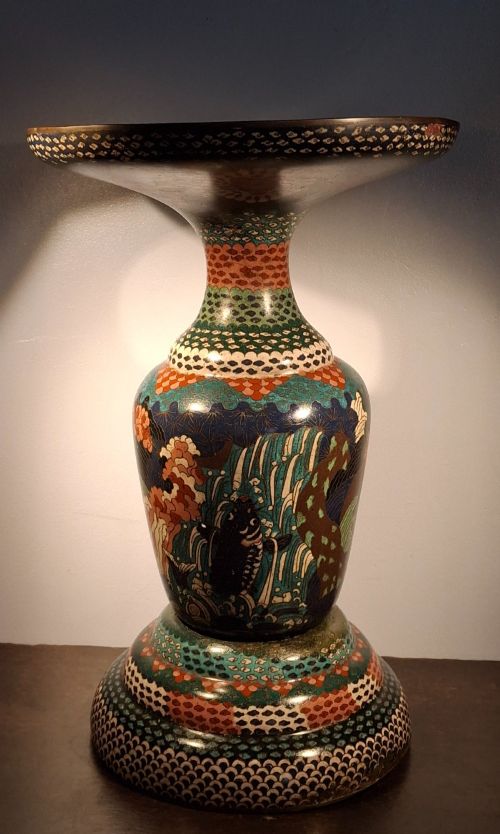
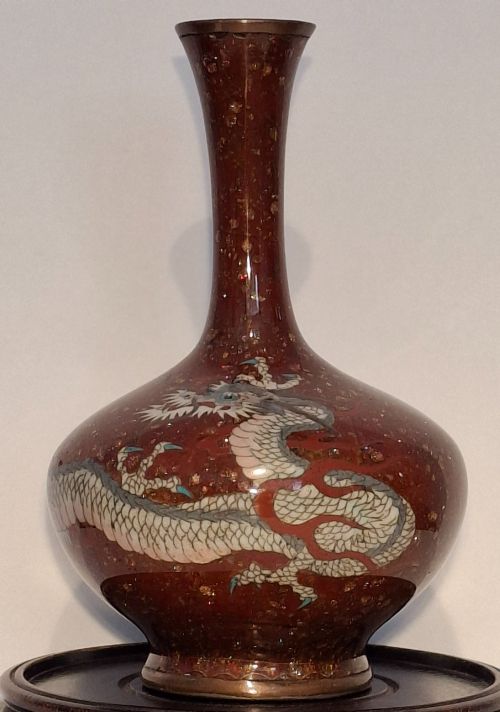
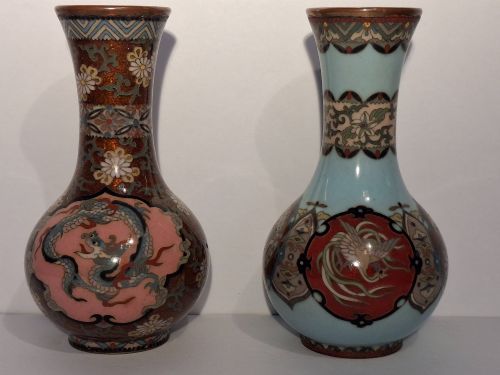
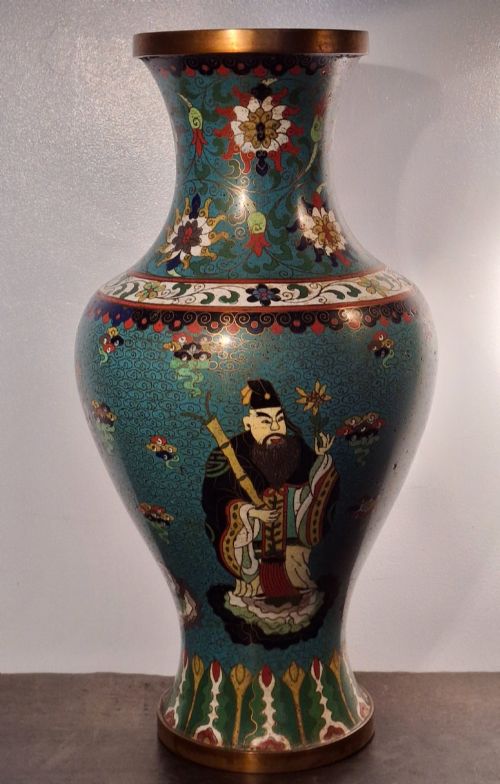
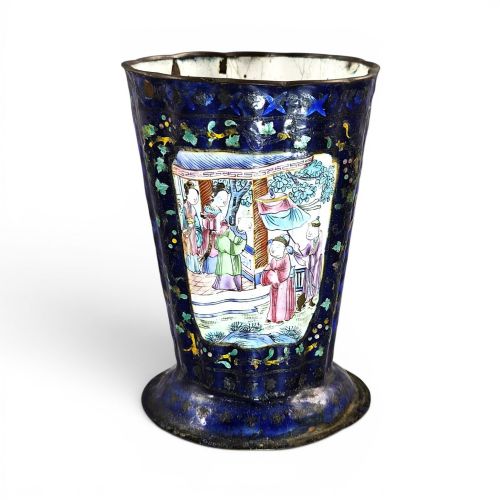
Makers shaped these objects using copper, copper alloy, and brass, often combining metals to create mixed-metal surfaces with varied tonal contrast. Techniques include hand-hammering, repoussé embossing, and intricate cloisonné enamelling where thin metal wires form the cells for coloured enamel pastes.
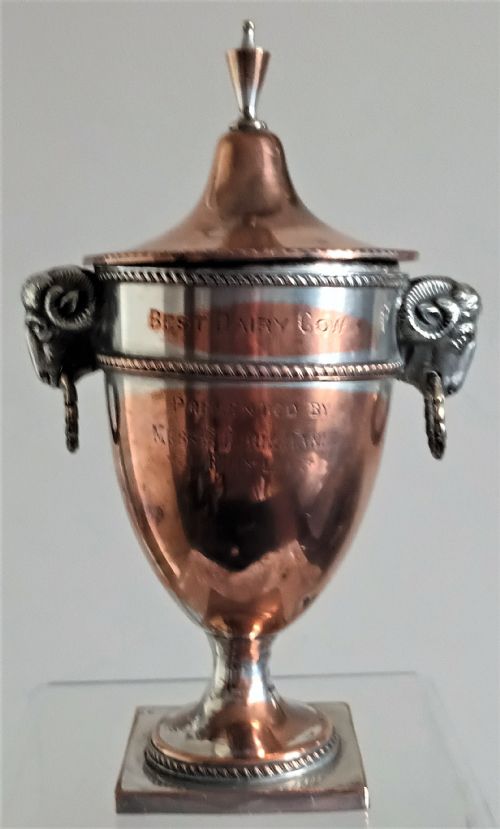
Many items utilise traditional plating or surface treatments, such as Old Sheffield Plate applied to a base metal, or decorative finishes designed to mimic aged patination. Chinese and Japanese workshops frequently employed high-relief casting and underglaze painting on copper-red ceramic bodies.
Antique Copper Vase Retail Price Guide 2026
Typical asking prices for copper vase among the pieces listed under this phrase on Sellingantiques today, from the lower quarter to the upper quarter. They describe what is for sale here now, not the wider market.
A pair of heavy metal boots designed to warm beside a Victorian fireplace makes an unexpected conversation piece.
Assessing craftsmanship
Quality rests upon the crispness of the hand-worked detail, whether in the depth of repoussé chasing or the precision of cloisonné wirework. Superior pieces display deliberate weight, secure joins, and balanced proportions that reveal the hand of a skilled artisan rather than mass production.
The sophistication of the design execution separates standard utility items from exceptional decorative pieces. Look for clean execution in applied decoration, harmonious integration of mixed metals, and well-preserved surface patination.
Bretby Pottery·Keswick Arts And Crafts·Tamura Yukio
The Antique Copper Vase Glossary
- Repoussé
- A metalworking technique where the artisan hammers the metal from the reverse side to form a raised design in relief on the front. This method creates tactile, three-dimensional surface decoration on vessels and jugs.
- Cloisonné
- An ancient technique for decorating metal object surfaces, using strips of wire to form compartments that are filled with enamel paste and fired. The resulting colourful patterns contrast sharply with the exposed metal partitions.
- Old Sheffield Plate
- An early composite material made by fusing a thin sheet of silver to a thicker copper core, creating a durable tableware and decorative object standard before electroplating. Items made this way show subtle traces of copper where the silver layer wears thin over long use.
- Baluster
- A vertical architectural form or vase shape with a rounded lower body tapering to a narrow neck and flared rim. This classic silhouette provides stable volume for display.
- Jardiniere
- A large decorative pot or stand designed to hold live plants or floral arrangements. These vessels often match the metalwork style and period of contemporaneous table vases.
Antique Copper Vase: Frequently Asked Questions
Were these pieces used for flowers?
Many vessels served as functional flower holders, while others were made purely for display on mantelpieces, tables, or within cabinet collections. Large palace pieces and heavy urns functioned primarily as decorative interior ornaments.
Water can damage older metal linings and soldered seams over time. It is generally safer to use a modern inner glass container if you plan to display fresh stems inside antique metal vessels.
How can I tell the period?
Dating relies on stylistic markers such as the flowing organic lines of Art Nouveau, the hand-hammered textures of the Arts and Crafts movement, or traditional Asian reign marks. Examining construction methods, joinery, and wear patterns also helps establish age.
Compare the piece against documented examples from specific decades or stylistic movements. Maker signatures, workshop stamps, and base marks provide definitive clues when present.
What is mixed metalwork?
Mixed metalwork involves combining different metals like copper, brass, and silver within a single decorative piece to create contrasting tones and textures. This technique was particularly favoured by Japanese Meiji period artisans.
The juxtaposition of dark copper with golden brass highlights intricate surface details and adds visual depth. Artisans used this method to simulate natural landscapes, birds, and floral motifs.