



Antique Copper Panel
An antique copper panel brings warmth and tactile depth to a room, offering rich metallic textures forged in past centuries.
Antique Copper Panel
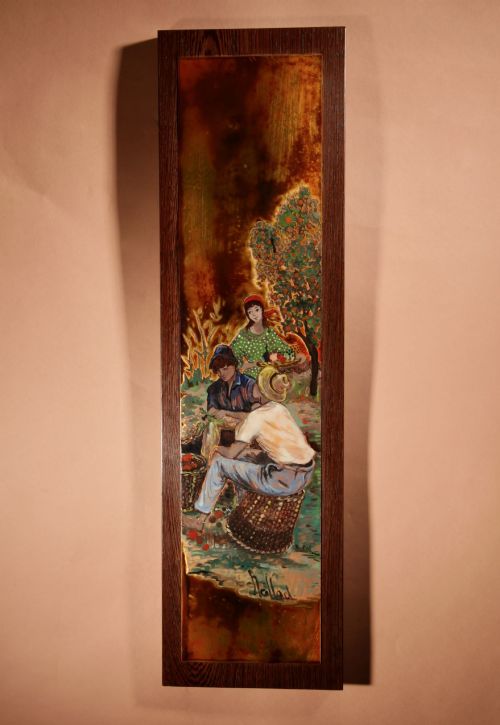
When you search for an antique copper panel, you encounter a diverse range of objects spanning wall art, furniture inserts, and decorative plaques. The selection frequently includes beaten or embossed panels integrated into Arts and Crafts furniture, as well as standalone oil paintings executed directly on metal plates.
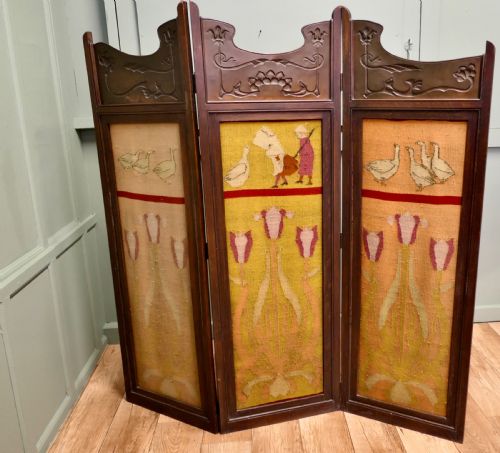
The materials and forms vary widely across the periods represented, moving from 18th-century Limoges enamel and oil paintings to 19th-century Victorian and Edwardian decorative metalwork. Oak, mahogany, brass, and enamel frequently accompany the copper, appearing in folding screens, sideboards, cabinets, and fire screens.
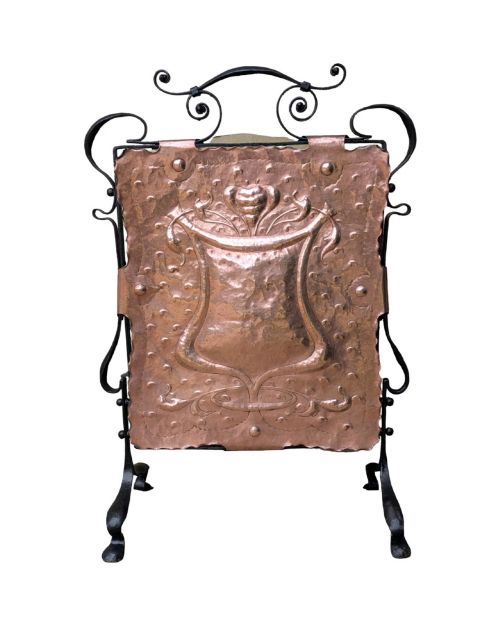
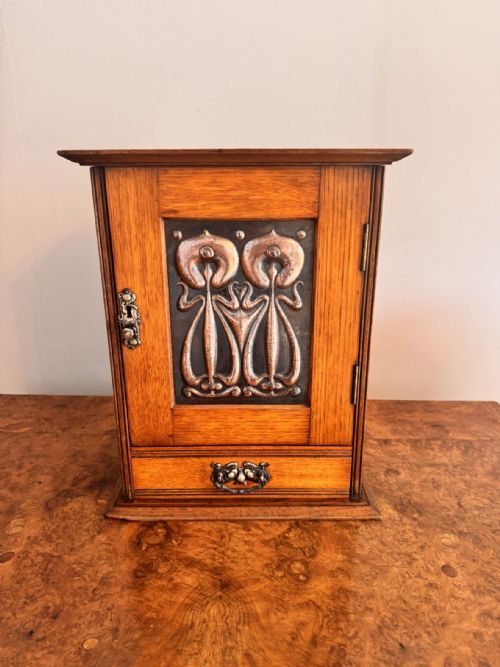
You are most likely to meet pieces originating from the Arts and Crafts and Art Nouveau movements, where hammered and embossed metal panels became integral to domestic woodwork and fireside accessories. These items bridge the gap between functional household objects and expressive visual art.
Methods and materials of construction
Makers utilised sheet copper alongside solid woods such as oak and mahogany, hammering and embossing the metal to create raised decorative motifs. Artisans applied patination, bronzing, or silver-plating to alter the surface tone and achieve specific visual contrasts.
For painted works, artists prepared thin copper plates to receive oil pigments or enamel layers, firing the enamels at high temperatures to fuse the glass paste to the metal base. Cabinetmakers then mounted these panels into wooden frames, sideboards, and screens using brass framing and structural strapping.
Antique Copper Panel Retail Price Guide 2026
Typical asking prices for copper panel among the pieces listed under this phrase on Sellingantiques today, from the lower quarter to the upper quarter. They describe what is for sale here now, not the wider market.
Listings incorporate both domestic furniture with integrated metal inserts and standalone oil paintings executed on copper plates.
Distinctions in craftsmanship and execution
The quality of an antique copper panel rests upon the dexterity of the handwork, visible in the precision of the repoussé hammer marks and the depth of the relief. Finer examples display deliberate control over the metal thickness and sophisticated handling of patination, whereas simpler pieces rely on standard commercial stampings.
In painted or enamelled panels, superior quality is evident in the finesse of the brushwork, the richness of the enamel palette, and the stability of the bond between the pigment and the metal plate. The integration of the panel within its surrounding timber or brass housing further separates standard workshop production from master-level cabinetmaking.
Shapland and Petter·Thomas Sidney Cooper·Gerrit Dou·Dietrich·Samson
The Antique Copper Panel Glossary
- Repoussé
- A metalworking technique where the artisan hammers the metal from the reverse side to form a raised design in relief on the front. This method requires considerable skill to maintain uniform thickness and clean contours.
- Limoges Enamel
- Coloured glass paste fused to a metal plate through firing, historically centered in the French city of Limoges. These pieces often depict portraits or narrative scenes with a luminous surface finish.
- Amsterdam School
- An early 20th-century architectural and design movement characterised by rounded forms, traditional craftsmanship, and expressive use of brick, wood, and metal. Objects from this tradition frequently combine patinated copper with contrasting brass elements.
- Arts and Crafts
- A design movement promoting handcraftsmanship, natural materials, and vernacular forms in opposition to machine production. Items from this tradition commonly feature exposed construction and embossed metal panels.
- Oil on Copper
- A traditional painting technique where artists paint directly onto a prepared copper plate rather than canvas or wood panel. This surface provides a smooth ground that preserves fine detail and prevents traditional cracking.
Antique Copper Panel: Frequently Asked Questions
How do I clean an antique copper panel?
Dust the surface gently with a soft, dry cloth to remove accumulated particles without disturbing the underlying patination. Avoid harsh chemical polishes that strip away historical age and alter the original metallic tone.
For painted or enamelled panels, restrict maintenance to very gentle dry dusting. Moisture can infiltrate microscopic fissures in old enamels or oil layers and cause deterioration.
Where were copper panels displayed originally?
Many copper panels served as functional decorative elements within domestic furniture, appearing upon cabinet doors, sideboard splashbacks, and umbrella stands. Others functioned as standalone paintings or wall art displayed within formal reception rooms.
Fireside items such as spark guards, coal boxes, and fire screens utilised copper panels to reflect hearth light into the room. These pieces combined practical heat resistance with decorative warmth.
How do I distinguish Arts and Crafts copper?
Arts and Crafts copper panels display visible hand-hammered tool marks, embossed botanical motifs, or geometric Art Nouveau styling. They are frequently mounted into solid oak or mahogany furniture frames with exposed copper rivets.
Mass-produced later alternatives often feature machine-stamped uniformity and lack the varied surface texture characteristic of earlier handcrafted pieces.
Can I hang a copper fire screen on the wall?
While fire screens were originally designed to stand upon the floor before a hearth, many folding or flat framed panels adapt well to wall display. Ensure the mounting brackets securely support the combined weight of the metal panel and its wooden frame.
Consider the original function when planning placement, as pieces originally positioned near hearths may bear subtle traces of historical exposure to smoke and heat.