

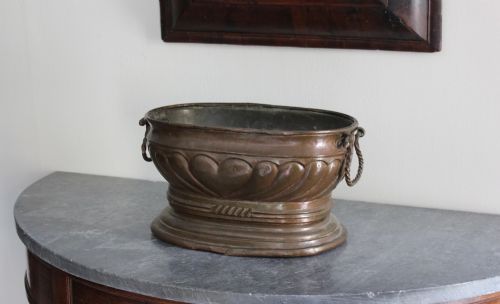


Antique Copper Cooler
An antique copper cooler brings warmth and weight to a room, serving as a wine vessel, a planter or an impressive centrepiece.
Antique Copper Cooler
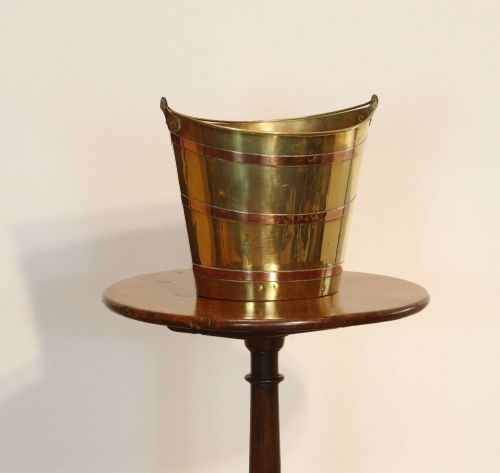
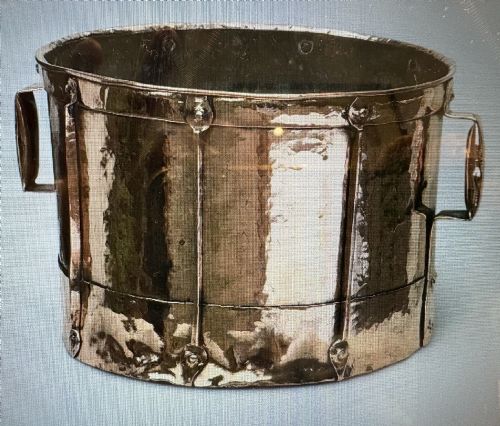
When you search for an antique copper cooler, you encounter a versatile group of vessels designed historically for chilling wine, holding water or displaying plants. The selection spans utilitarian grain measures and French Ferrats alongside formal Georgian and Victorian wine cisterns.
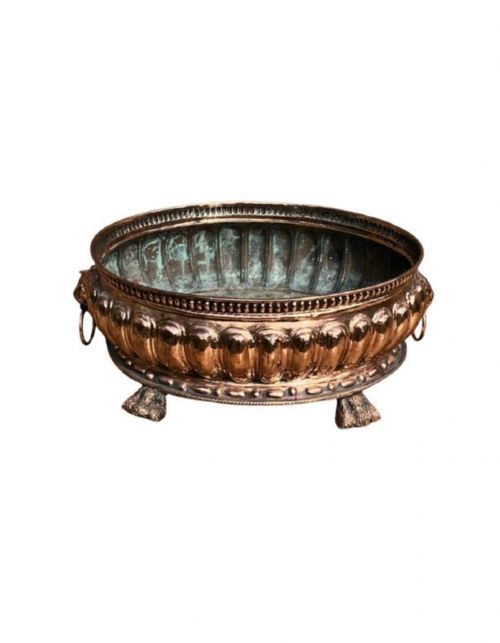
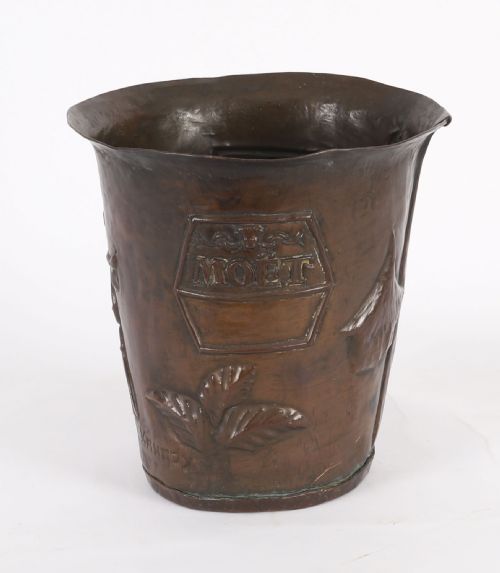
You are most likely to meet 19th century pieces, including Victorian copper and brass vessels, alongside French provincial examples and Arts and Crafts buckets. Forms range from heavy oval jardinieres and table bowls to tall champagne coolers.
Earlier pieces from the 18th century appear as substantial wine coolers or brass planters, often showing the hand-beaten marks of their makers. Later 20th century items frequently incorporate silver plating over copper or take on Art Nouveau curves.
How they were made
Makers shaped sheet copper by hand, hammering the metal over forms and joining the seams with dovetails, brazing or rivets. Brass handles, feet and rims were often attached separately to provide structural strength and contrast.
Some vessels combine copper with timber, utilising walnut or ebonised wood staves held together by copper or brass bands in the manner of traditional coopering. Silver plate on copper techniques, such as Old Sheffield plating, added a formal exterior finish to the base metal.
Antique Copper Cooler Retail Price Guide 2026
Typical asking prices for copper cooler among the pieces listed under this phrase on Sellingantiques today, from the lower quarter to the upper quarter. They describe what is for sale here now, not the wider market.
Materials recorded across the inventory include solid copper, brass, iron, tin, silver plate, zinc, walnut, and ebonised wood.
What varies in quality
Quality rests in the weight of the metal and the integrity of the construction, from the thickness of the beaten copper wall to the security of the riveted seams. Heavier vessels maintain their structural rigidity better over centuries of use.
The refinement of decorative details separates standard utility items from top pieces, such as cast brass handles, paw feet or hand-engraved heraldic crests. Surfaces that retain a rich, undisturbed patina demonstrate superior age and careful preservation.
Barker Ellis·Napier Clan
The Antique Copper Cooler Glossary
- Ferrat
- A traditional French copper grain measure or agricultural vessel. These cylindrical containers often feature rolled rims and sturdy iron or brass swing handles.
- Jardiniere
- An ornamental pot or stand designed to hold plants and flowers. In copper, these often double as wine coolers or table bowls.
- Wine cistern
- A large, deep basin used for chilling multiple bottles of wine at formal dining tables. They frequently date to the 18th century and rest upon decorative feet or stands.
- Old Sheffield plating
- An early technique of fusing a thin layer of silver to a copper ingot before rolling them into sheets. This creates a durable composite material found on finer formal coolers.
- Coopered
- Constructed from wooden staves bound together by metal hoops, similar to barrel-making. Walnut and ebonised wood planters utilise this method.
Antique Copper Cooler: Frequently Asked Questions
How were copper coolers used historically?
These vessels served primarily at the dining table to chill wine and champagne in ice and water. Wealthy households utilised large metal cisterns and buckets to keep bottles cool during long feasts.
Over time, many of these durable containers transitioned into domestic utility roles, holding grain, peat or water. In modern settings, their deep proportions make them natural choices for large floor or table planters.
How do I clean an antique copper cooler?
Most collectors prefer to leave an undisturbed, dark natural patina on older copper surfaces. Aggressive polishing removes the historical layers that prove true age.
If cleaning is necessary, use a mild, non-abrasive metal cleaner specifically formulated for copper. Rinse thoroughly and dry with a soft cloth to prevent spotting.
Are these coolers waterproof?
Many solid copper and brass vessels remain entirely watertight, particularly those constructed with sealed seams or brazed joints. Riveted or older pieces may require a discreet inner liner if used for fresh flowers.
Coopered wooden buckets with copper bands can dry out and may need a trial fill to allow the wood staves to swell.
How can I tell an 18th century cooler apart from a Victorian one?
Eighteenth century examples often display heavier hand-hammering, simple rolled edges and distinct patination acquired over longer periods. They tend towards classical proportions and unadorned utility.
Victorian and later pieces frequently incorporate machine-rolled sheet metal, applied brass stampings, or silver plating. The Arts and Crafts movement later introduced stylised floral motifs and heavier riveted construction.