

Antique Commode Unit
An antique commode unit is a practical storage staple, bringing rich timber grains and traditional proportions to a bedroom or living space.
Antique Commode Unit
When you search for an antique commode unit, you encounter a variety of timber storage forms primarily spanning the Georgian, Victorian, and Edwardian periods.
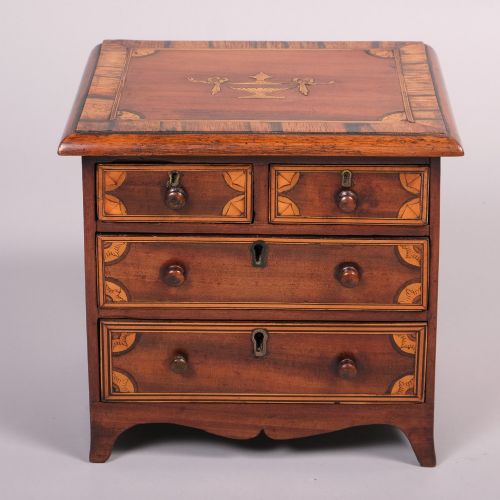
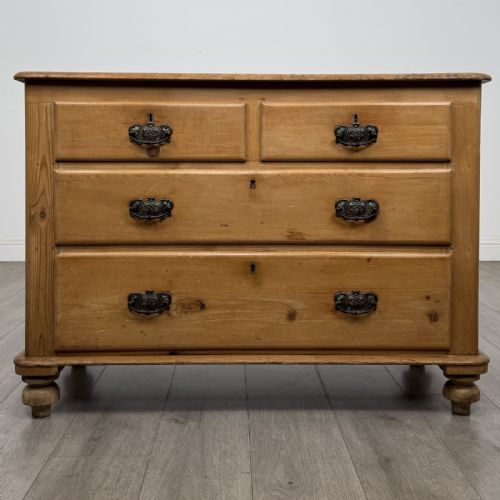
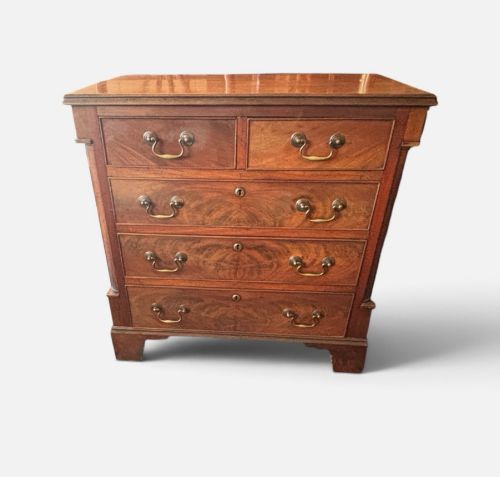
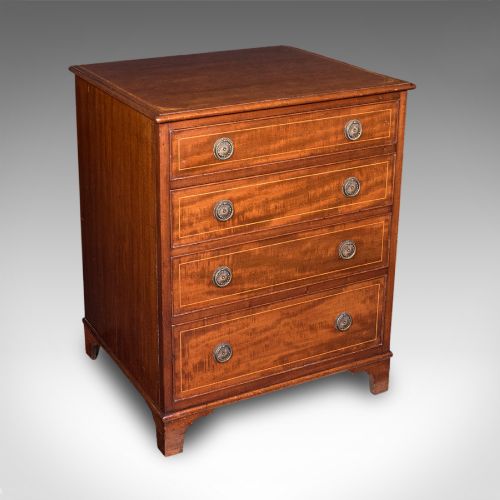
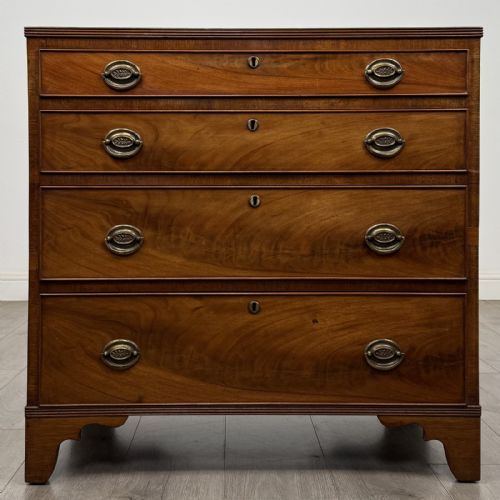
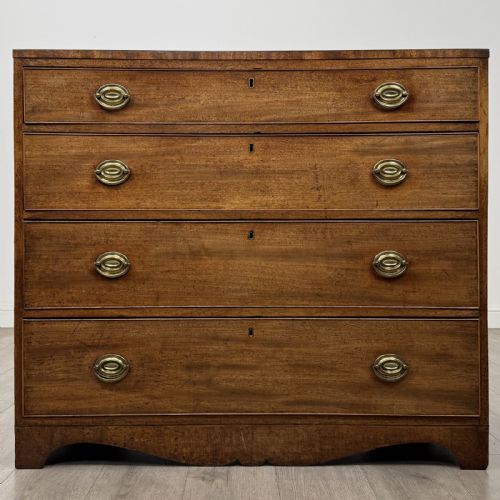
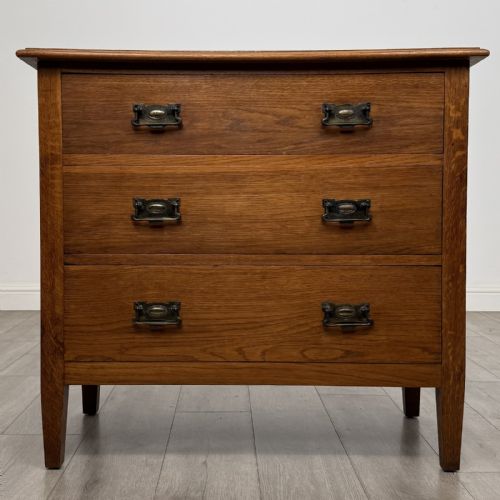
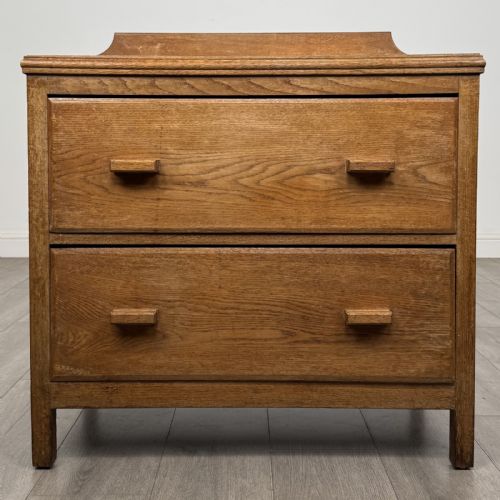
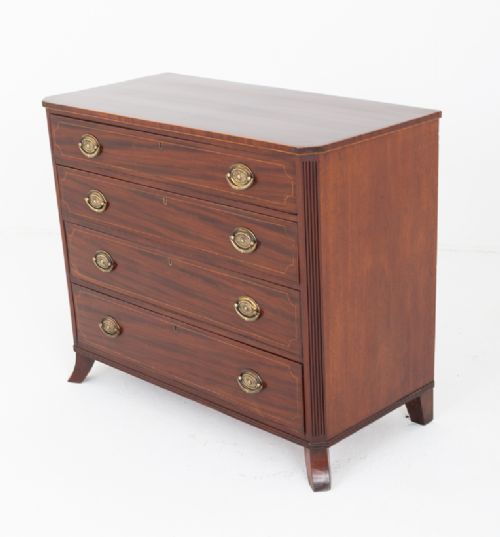
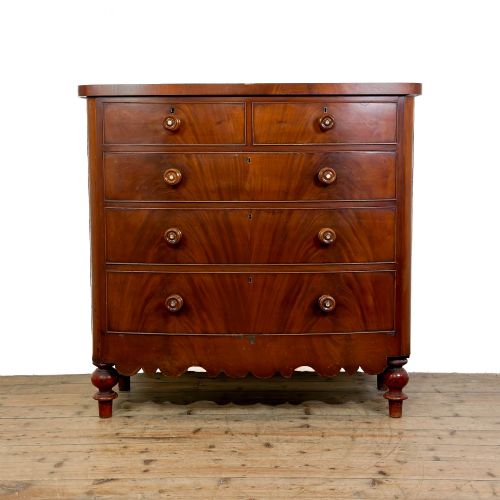
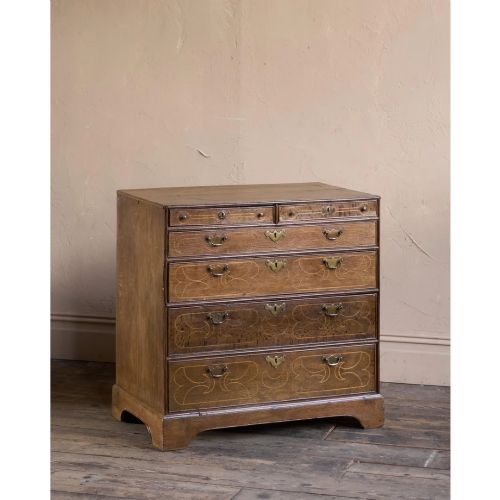
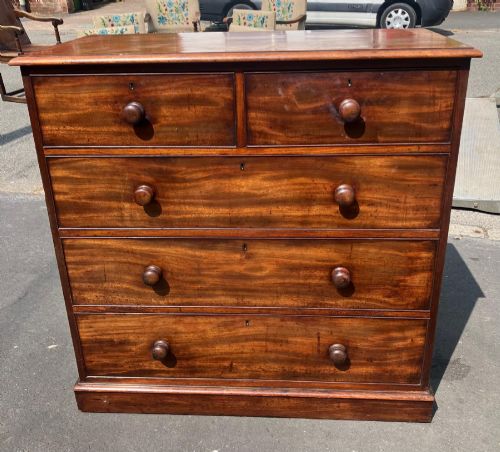
The most common form on this page is the traditional chest of drawers, ranging from compact miniature apprentice pieces to large multi-drawer storage units.
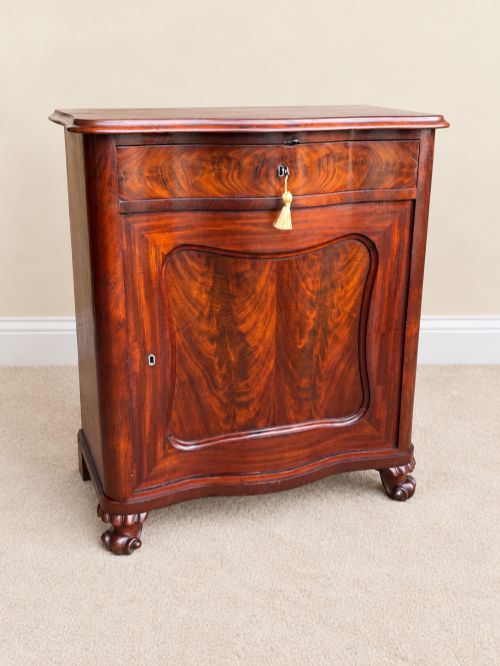
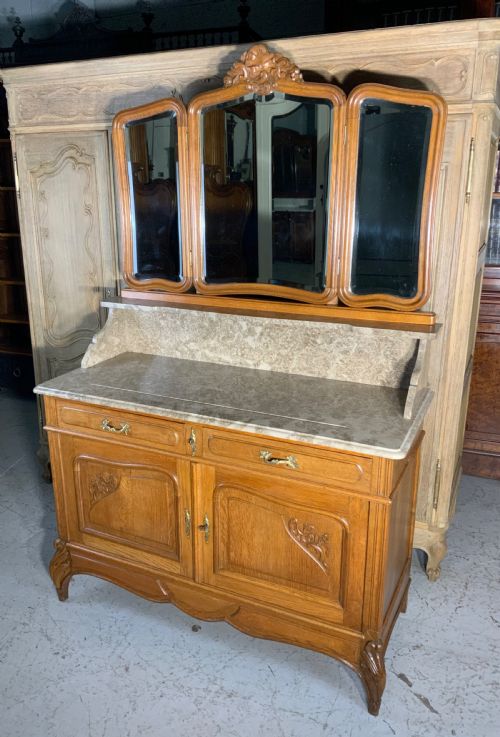
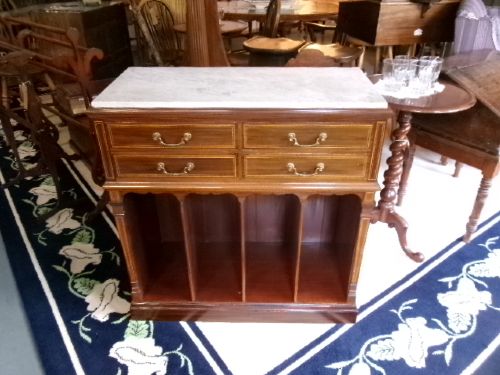
Beyond standard chests, the selection encompasses specialised pieces such as dressing tables, side cabinets, washstands, and continental commodes from the nineteenth century.
Materials and construction
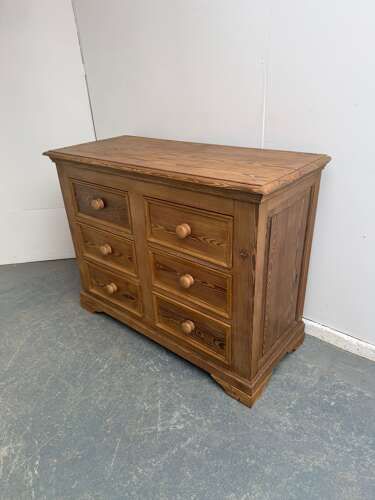
Cabinet makers relied heavily on robust hardwoods like mahogany, walnut, and oak, alongside utilitarian softwoods such as pine for domestic utility pieces.
Surface finishes and decorative elements include burr walnut veneers, flame mahogany figuring, brass hardware, painted scumble effects, and subtle satinwood line inlay.
Antique Commode Unit Retail Price Guide 2026
Typical asking prices for commode unit among the pieces listed under this phrase on Sellingantiques today, from the lower quarter to the upper quarter. They describe what is for sale here now, not the wider market.
Listings feature pieces spanning the 17th century through the 1930s, constructed from mahogany, oak, walnut, pine, and yew wood.
Assessing craftsmanship and finish
Quality reveals itself in the selection of timber veneers, such as richly figured flame mahogany or burr walnut, matched across the drawer fronts.
Fine construction is evident in graduated drawer proportions, clean lines on bow-front designs, and the integration of functional elements like raised galleries and turned legs.
The Antique Commode Unit Glossary
- Commode
- A low cabinet or chest of drawers, often referencing continental or French stylistic influences during the nineteenth century.
- Bow-front
- A cabinet or chest featuring a convex, curved front facade that softens the rectangular lines of the piece.
- Scumble
- A painted finish applied to pine furniture to imitate the richer grain patterns of more expensive hardwoods.
- Flame mahogany
- A decorative veneer cut from timber fork junctions, displaying a distinctive flamed or feathered grain pattern.
- Raised gallery
- A low decorative railing or ledge positioned along the upper surface edge of a cabinet or chest.
Antique Commode Unit: Frequently Asked Questions
What is an antique commode unit?
An antique commode unit is a traditional storage piece, most commonly taking the form of a chest of drawers or small cabinet.
These pieces were built in periods ranging from the eighteenth to the early twentieth century using timbers like mahogany, oak, and walnut.
How do I style an antique chest of drawers?
These versatile units fit easily into modern or traditional interiors, serving as practical storage in bedrooms, hallways, or living rooms.
Their substantial timber presence allows them to anchor a room while providing functional surface space on top.
What woods were used for these units?
Cabinet makers utilised a range of domestic and imported timbers depending on the period and desired finish.
Mahogany, walnut, and oak appear frequently in formal designs, while pine served as the primary material for painted or scumbled country pieces.
How do I identify a Georgian commode?
Georgian pieces often display restrained classical proportions, straight or bow fronts, and high-grade mahogany or walnut construction.
Details such as graduated drawers and precise joinery help distinguish these eighteenth-century examples from later Victorian reproductions.