



Antique Commode Stand
These antique commode stand pieces bring practical Georgian and Victorian craft to the bedroom, offering clever concealed storage that collectors prize.
Antique Commode Stand
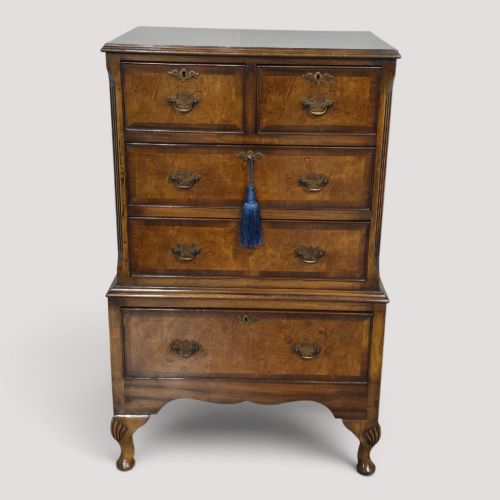
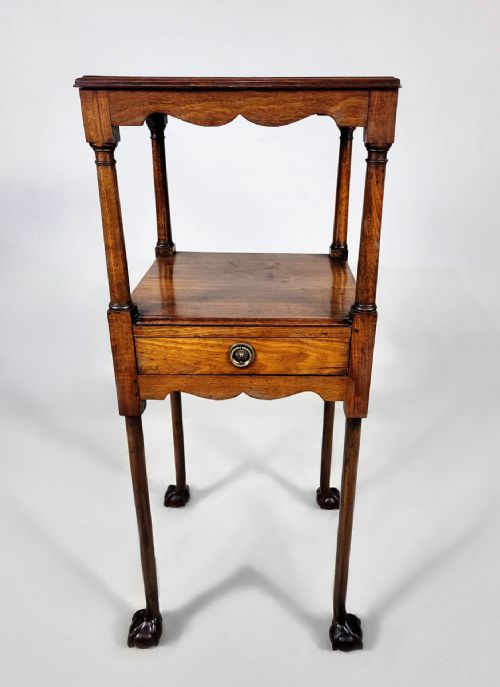
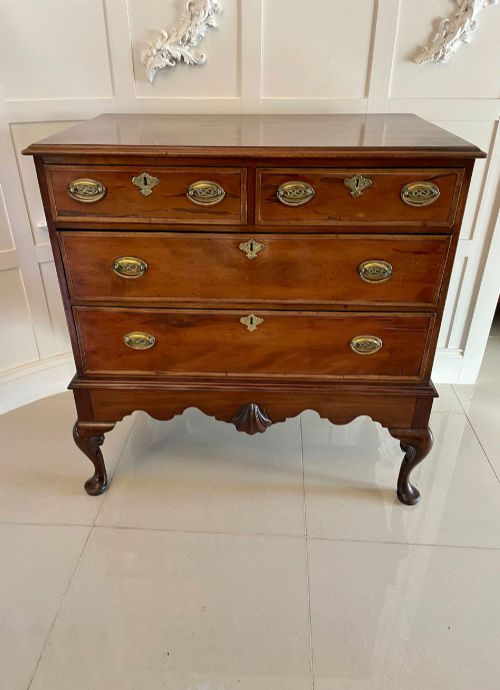
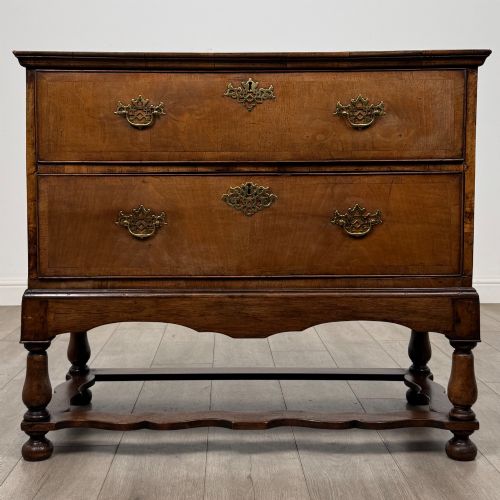
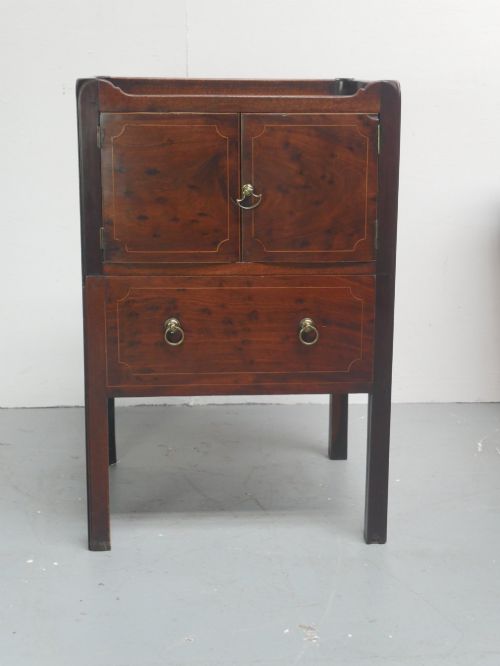
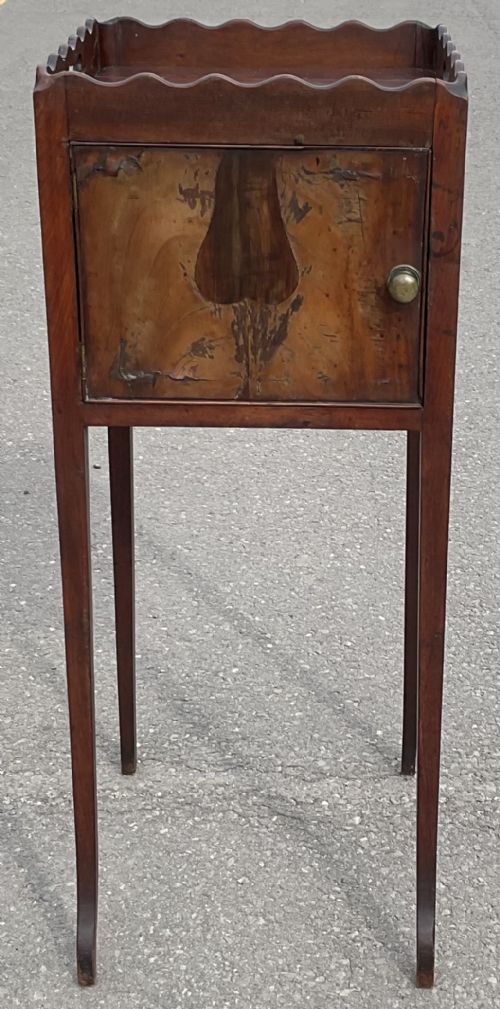
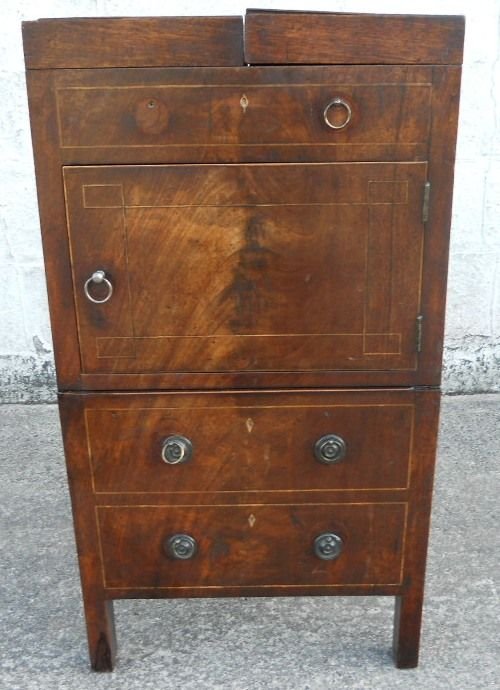
When you search for an antique commode stand, you encounter a variety of functional bedroom furniture from the Georgian, Victorian, and Edwardian periods. These forms range from bedside night tables and pot cupboards to fold-away washstands and chests on stands.
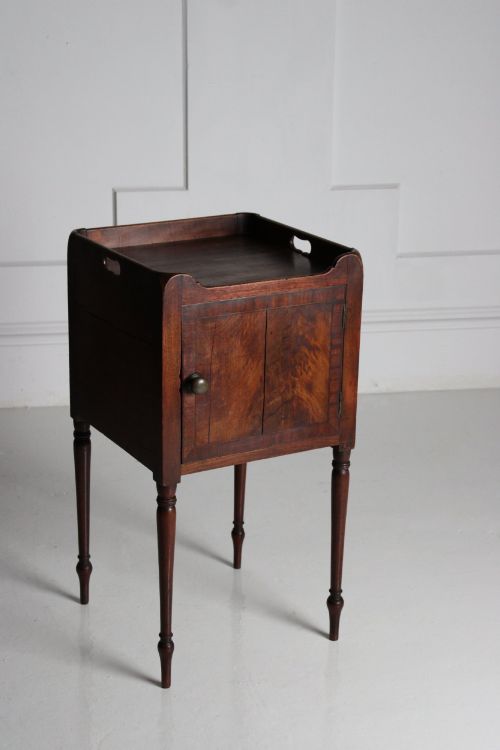
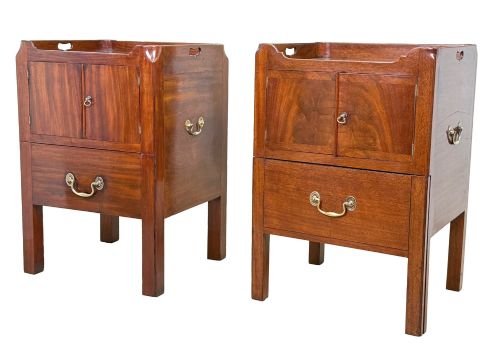
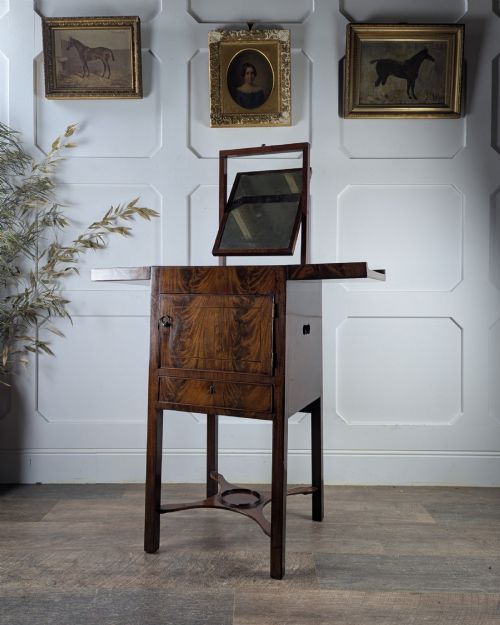
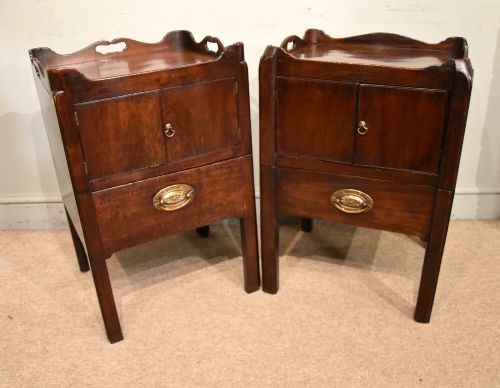
The most common versions met on this page are mahogany bedside cabinets and night stands dating from the eighteenth century and the George III era. These utilitarian pieces often feature enclosed cupboards, tambour doors, or ingenious washstand tops designed for personal hygiene before modern plumbing.
Makers adapted these stands for specific domestic needs, resulting in specialised forms like gentleman's washstands with inlaid boxwood and serpentine-fronted cupboards. Surviving examples also include revival styles such as William and Mary chests on stands and Regency Egyptian Revival mahogany pieces.
Materials and construction
Cabinetmakers relied heavily on solid and veneered mahogany, frequently utilising Cuban mahogany, walnut, burr walnut, and satinbirch for primary surfaces. Secondary structural elements incorporate pine and oak, while decorative highlights make use of boxwood inlay and crossbanding.
Surface adornment and hardware involved traditional techniques including tambour shutter construction, fine stringing, and the integration of brass handles or hinges. Marble tops appear on select continental revival forms, providing durable surfaces for washing utilities.
Antique Commode Stand Retail Price Guide 2026
Typical asking prices for commode stand among the pieces listed under this phrase on Sellingantiques today, from the lower quarter to the upper quarter. They describe what is for sale here now, not the wider market.
Some gentleman's washstands include clever hidden compartments originally meant to keep shaving powder safely away from wandering morning drafts.
Distinctions in craftsmanship
Superior examples separate themselves through the selection of richly figured timbers, precise joinery, and intact original hardware. Master cabinetmakers ensured that internal compartments, fold-away mechanisms, and tambour doors operated seamlessly.
The refinement of decorative details, such as crisp boxwood inlay and well-executed crossbanding, elevates a piece above standard utilitarian production. Maker stamps, when present, further distinguish exceptional workshop output from anonymous domestic furniture.
Gillows Lancaster
The Antique Commode Stand Glossary
- Pot cupboard
- A small bedside cabinet designed to enclose a chamber pot. These practical items often feature a door above a lower compartment.
- Tambour
- A flexible shutter made of narrow vertical strips of wood glued to canvas, allowing smooth sliding closure around a curve.
- Washstand
- A specialised piece of furniture built to hold a basin and jug for washing. Folding variants concealed the washing apparatus when not in use.
- Crossbanding
- A decorative border technique where veneer strips are laid running perpendicular to the grain of the central panel.
- Chest on stand
- A tall chest of drawers supported by a distinct base with legs. This form lifts storage off the floor for easier access.
Antique Commode Stand: Frequently Asked Questions
How were these stands used originally?
Georgian and Victorian households utilised these stands beside the bed for nighttime convenience or within dressing rooms for morning ablutions. The enclosed compartments kept chamber pots discreetly out of sight.
Washstand variations included fold-away tops and surface cutouts specifically dimensioned to hold ceramic washbowls, water jugs, and soap dishes securely.
How do I date an antique commode stand?
Dating relies on observing timber choices, construction methods, and prevailing stylistic traits of the period. Eighteenth-century pieces frequently employ dense Cuban mahogany and subtle boxwood stringing, while Victorian examples often feature satinbirch or heavier proportions.
Examining internal secondary woods like oak or pine alongside drawer dovetails provides further clues to the manufacturing decade.
Where can I use one today?
These compact stands adapt easily to modern interiors as distinctive bedside tables, hallway storage, or bathroom accent cabinets. Their enclosed shelving offers practical concealment for modern clutter.
Placed beside a sofa or in a guest bedroom, they introduce historical character and warm wood tones without requiring substantial floor space.