

Antique Commercial Sign
When you search for an antique commercial sign, you seek a tangible piece of trade history that brought business facades and interiors to life.
Antique Commercial Sign
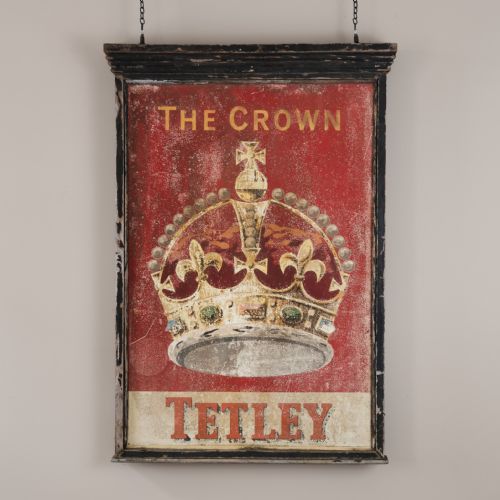
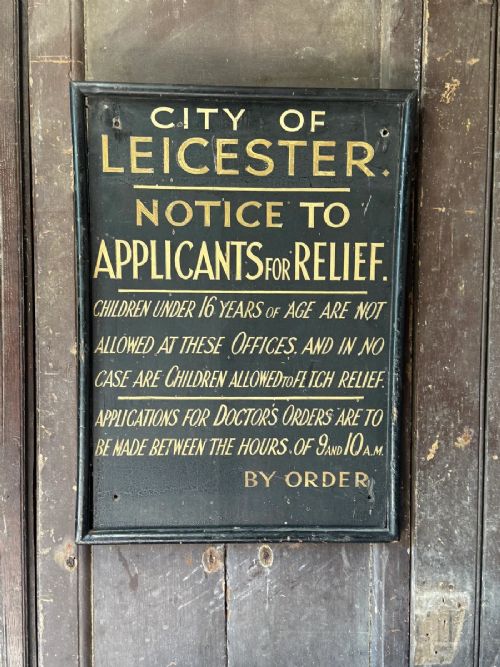
An antique commercial sign represents the physical heritage of past trades, shops, and public houses, taking forms such as trade signs, wall signs, architectural salvage, and window panels. These pieces span from the Victorian and Edwardian eras through the 1920s and 1930s, reflecting the everyday commerce of their periods.
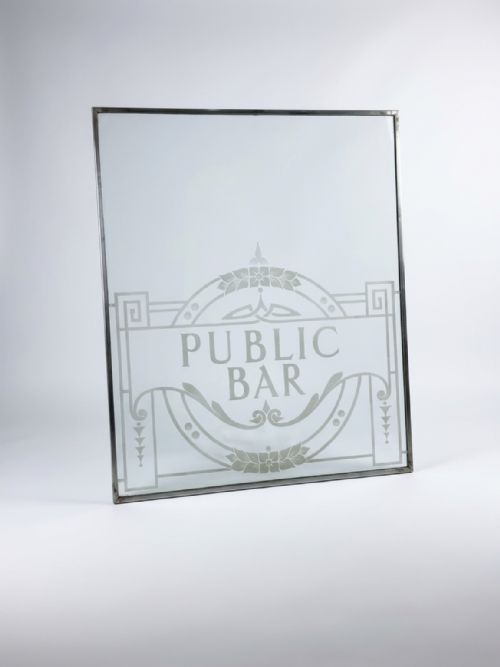
The selections on this page encompass painted wood, reverse-painted glass, etched glass, enamel, and metal, originating from diverse commercial settings like milliners, chemists, pawnbrokers, and pubs. Buyers frequently encounter wall-mounted signage, hanging pub signs, and window panels that once directed customers or advertised specific services.
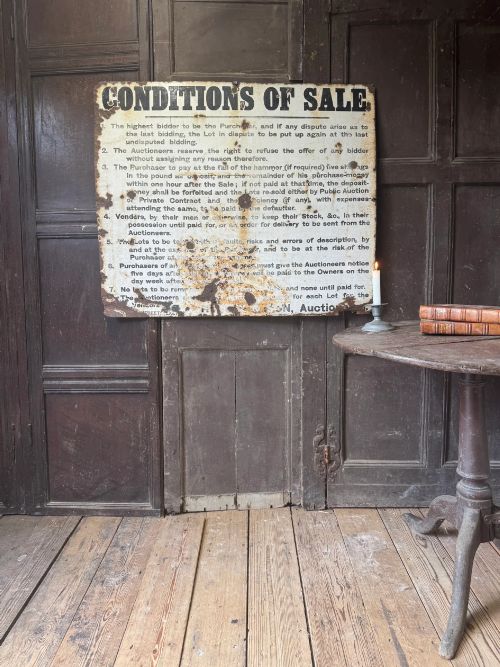
Originating from British, French, and wider European or American commercial contexts, these objects carry the literal marks of historical tradesmen, auctioneers, and railway stations. Each item serves as a direct link to the streetscapes and storefronts of the nineteenth and early twentieth centuries.
How they were made
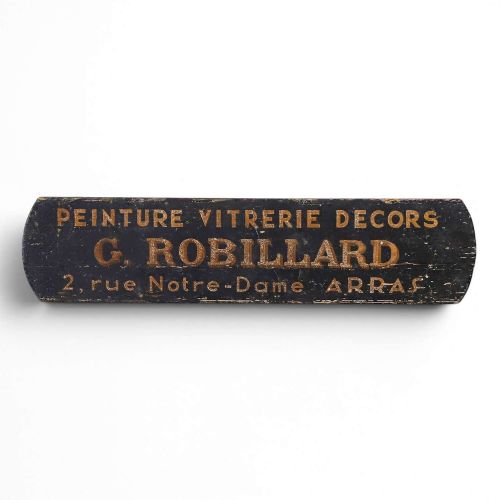
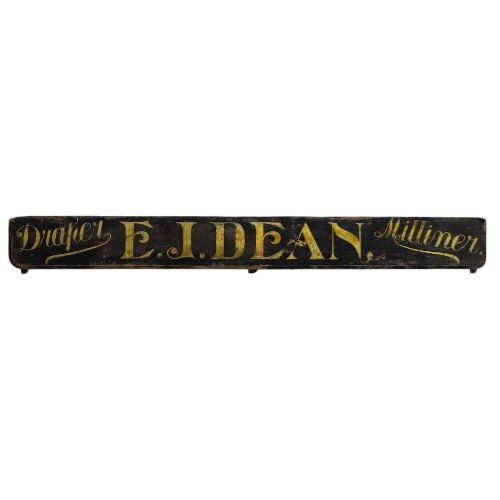
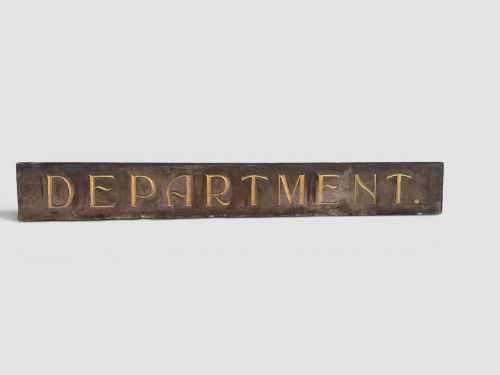
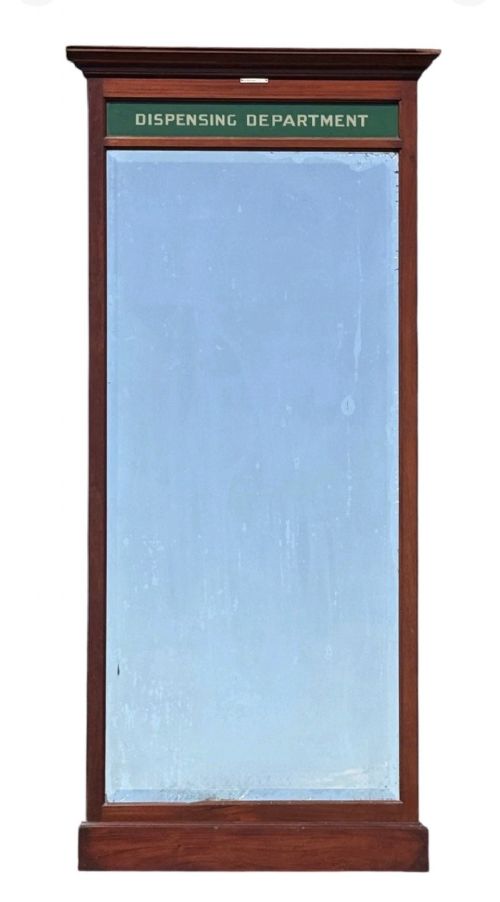
Makers utilised traditional materials such as pine, oak, and mahogany for wooden boards, applying hand-painted lettering, gold leaf, and carved details directly to the timber. Glass signs often employed reverse-painting and etching techniques to create durable, luminous window panels and pharmacy mirrors.
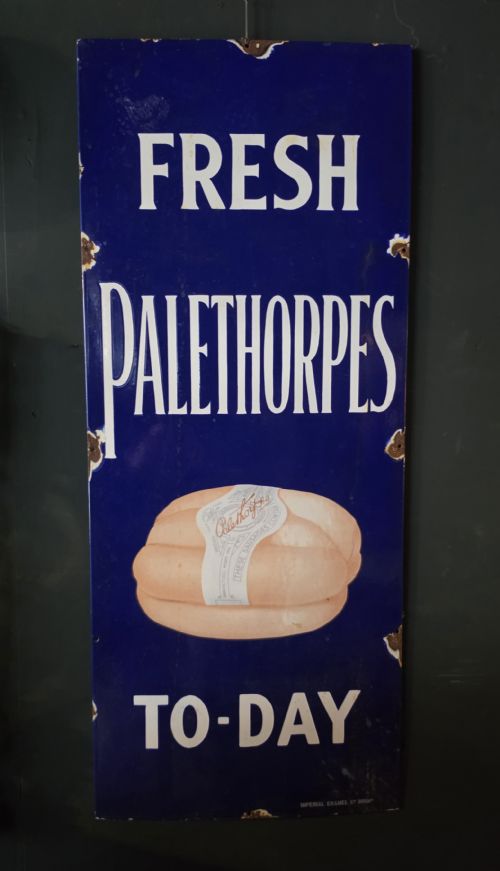
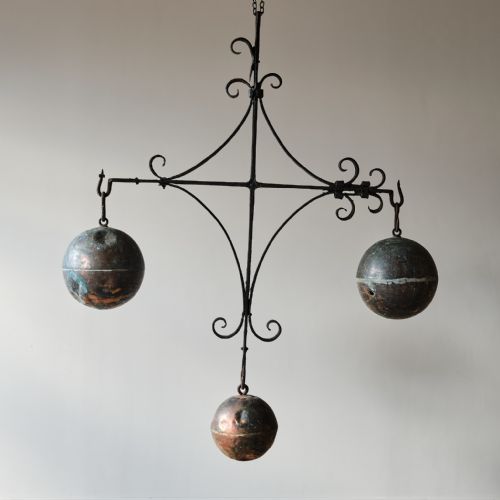
Metalworking played a central role, utilising iron, brass, copper, and cast bronze for hanging brackets, door handles, push plates, and robust outdoor frames. Enamel signage involved fusing vitreous glass to metal sheets at high temperatures, producing weather-resistant surfaces for railway stations and exterior walls.
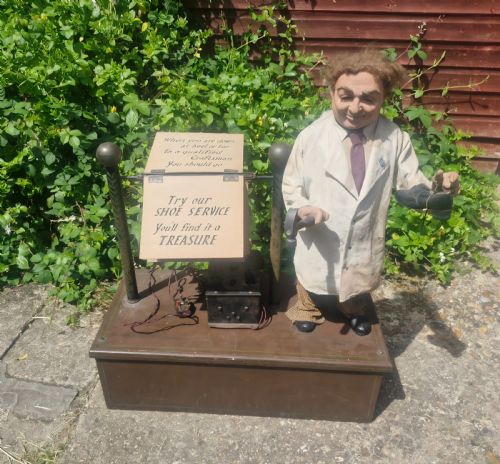
Among the historical stock sits an automated cobblers shop display model, proving that early retailers loved a moving gimmick.
What varies in quality
The distinction between tiers of pieces rests upon the execution of the hand-lettering, the complexity of the pictorial carving, and the preservation of original surfaces. Sign-writing executed by skilled tradesmen displays precise proportions, balanced layouts, and confident brushwork that elevates a simple pine board or glass panel.
Material integrity and the survival of original paint or gilding heavily influence the standing of a piece. Examples retaining their untouched, un-restored patination and authentic framing demonstrate greater fidelity to their original commercial purpose than those subjected to modern over-painting.
The Antique Commercial Sign Glossary
- Trade sign
- A physical object or board displayed outside a shop to indicate the specific trade or craft practiced within. These objects often took literal shapes, such as pocket watches or loaves of bread.
- Reverse-painted glass
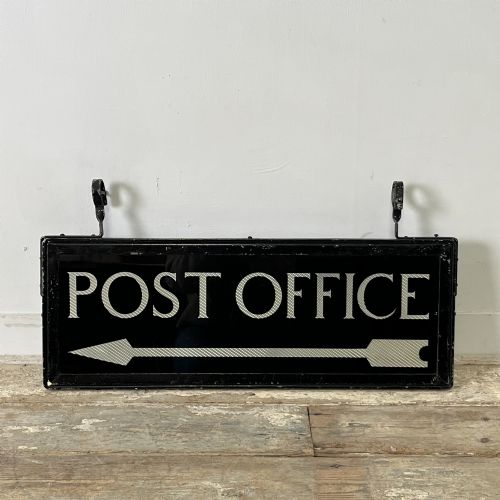
- A technique where paint and gold leaf are applied to the back of a glass panel so the design is viewed correctly through the front. This method protects the pigments from weathering and wear.
- Enamel sign
- A metal plate fused with powdered glass through firing to create a glossy, hard-wearing surface. This medium was standard for outdoor railway and advertising boards requiring weather resistance.
- Architectural salvage
- Building elements and fixtures rescued from structures slated for demolition or alteration. This category includes door plates, handles, and integrated wall signage.
- Etched glass
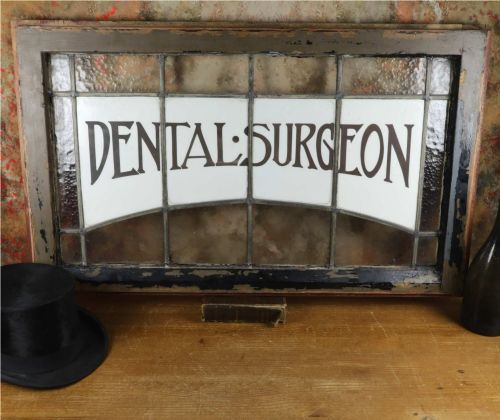
- Glass treated with acid or abrasive substances to cut designs or lettering into the surface. Pubs and medical practices frequently utilised these panels for privacy and branding.
Antique Commercial Sign: Frequently Asked Questions
How were hanging trade signs displayed?
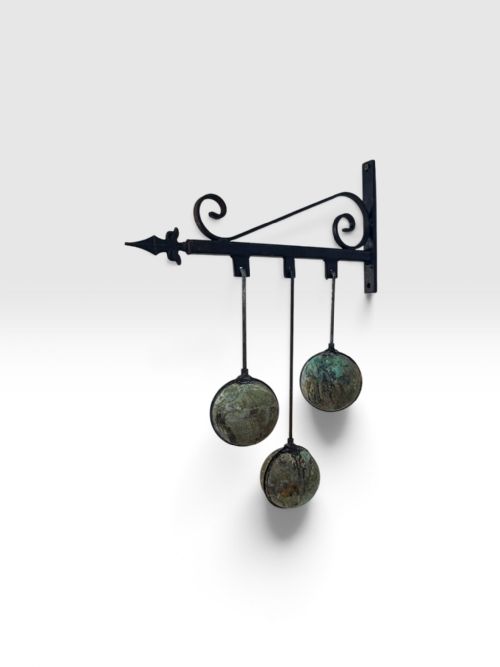
Hanging signs were typically mounted on heavy iron brackets attached directly to the exterior brickwork or timber framing of a shop facade. This placement ensured pedestrians could spot the establishment from a distance down the street.
Many examples feature double-sided designs so the trade information remained legible to foot traffic approaching from either direction along the pavement.
Where were reverse-painted glass signs used?
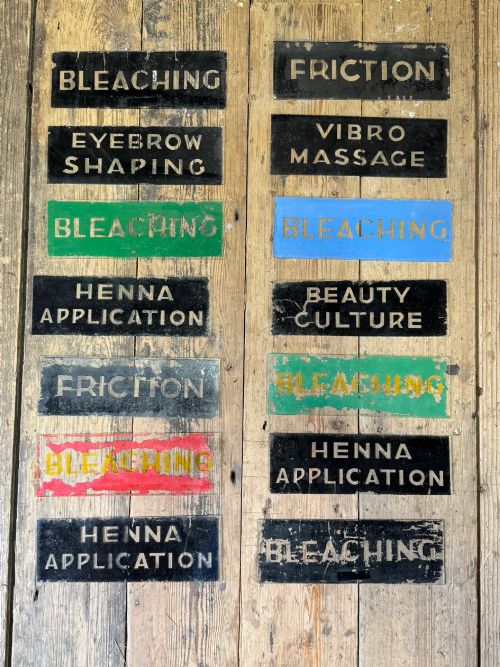
These glass panels were primarily installed in the windows and transoms of urban storefronts, including hairdressing establishments and confectionary shops. They served to advertise specific services or goods while maintaining interior privacy.
The protective nature of the glass kept the painted lettering safe from internal condensation and exterior dirt.
How do I clean an antique painted wooden sign?
Cleaning should be limited to gentle dusting with a soft, dry cloth to protect fragile historical paint layers and original surface patination. Water and chemical solvents must be avoided because they lift aged tempera and oil-based lettering from the wood.
Preserving the dry, untouched texture of the pine or oak backing maintains the visual integrity of the sign-writing.
What distinguishes Victorian trade signs from later pieces?
Victorian examples frequently rely on heavy carved wooden elements, intricate gold leaf, and hand-etched window glass associated with traditional craft guilds and local merchants. The lettering styles reflect nineteenth-century typography standards, often featuring elaborate serifs and shading.
Later pieces from the 1920s and 1930s lean towards industrial enamel, simpler sans-serif lettering, and standardised metal fabrication for public houses and railway stations.