



Antique Commercial Furniture
Antique commercial furniture comprises utilitarian pieces from hotels, shops and offices, offering rugged construction and distinct historical character for modern interiors.
Antique Commercial Furniture
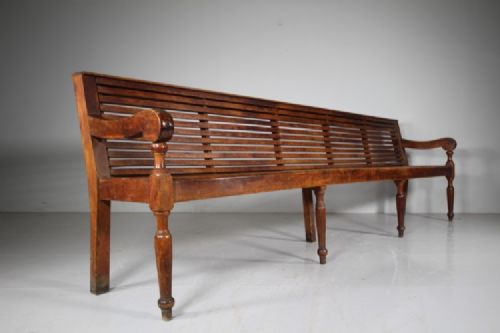
When you search for antique commercial furniture, you are looking at utilitarian items built for businesses, hospitality venues and public institutions rather than domestic parlours. These pieces include filing cabinets, shop counters, butchers blocks, sorting tables and bakers racks originating from the nineteenth and early twentieth centuries.
The selection on this page leans heavily towards practical forms from the Victorian and Edwardian eras, alongside early twentieth-century French and English workshop items. You will frequently encounter oak file cabinets, beech and pine butchers blocks, and large bakers racks constructed for heavy daily trade.
Commercial furniture differs from standard domestic antiques through its straightforward design, robust timber frames and evidence of actual workplace utility. Pieces often carry original brass hardware, sign-written lettering or manufacturer badges that reveal their specific former trades.
What varies in quality
Quality in commercial pieces relates directly to the integrity of the original construction and the survival of working mechanisms like tambour doors and drawer runners. Pieces produced for high-end establishments or specialised trades often display superior timber selection and more refined joinery.
The retention of original factory hardware, maker signatures, patent stamps and authentic sign-written merchant lettering significantly elevates the character of a piece. Alterations made for later commercial use or the loss of original operational fittings alter the historical authenticity.
Listings feature items from the Victorian, Edwardian and early twentieth-century periods, constructed in oak, pine, mahogany, brass and iron.
Dubois of Lyon·Trussant & Cie·Amberg
The Antique Commercial Furniture Glossary
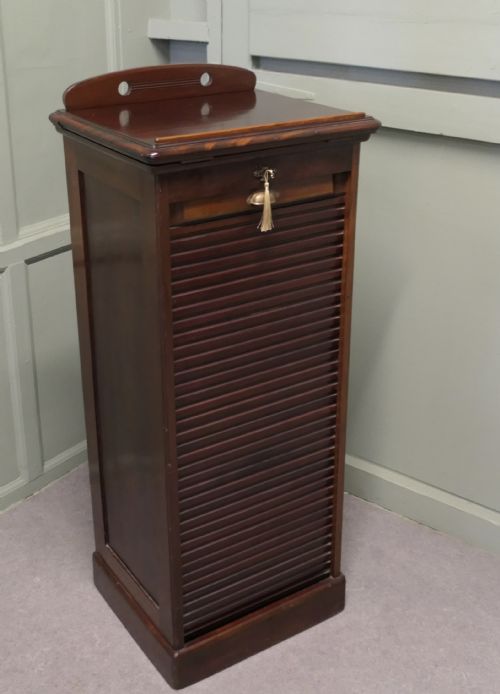
- Tambour front
- A flexible sliding door formed of narrow wood strips glued to canvas, commonly found on office filing cabinets.
- Butchers block
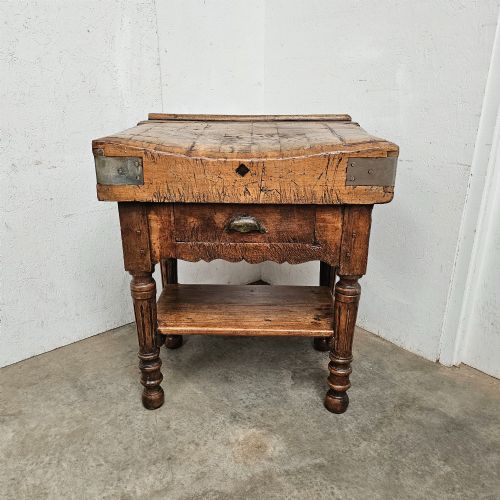
- A heavy utilitarian work table featuring a thick end-grain timber top designed for meat preparation.
- Sorting table
- A large wooden furniture piece with multiple pigeonholes or compartments utilised in post offices and administrative rooms.
- Bakers rack
- A tall metal or iron framework with slatted shelves originally used in French boulangeries for cooling bread.
- Sign-written
- Hand-painted commercial lettering and business names applied directly to timber surfaces or shop furniture for advertising.
Antique Commercial Furniture: Frequently Asked Questions
What is antique commercial furniture?
Antique commercial furniture includes utilitarian desks, counters, storage cabinets and racks built for businesses, shops and offices during the nineteenth and early twentieth centuries.
These pieces were engineered for heavy daily operations rather than domestic display, resulting in durable timber construction and functional workshop design.
How were filing cabinets used?
Office filing cabinets with tambour fronts or bank drawers organised correspondence and paperwork in Victorian and Edwardian administrative environments.
Commercial clerks relied on these systems for secure document storage before modern metal filing solutions became standard.
Can I use a bakers rack at home?
Large iron and metal bakers racks originally designed for French boulangeries serve well in modern kitchens or living spaces for open storage.
Their sturdy slatted metal shelves accommodate cookware, books or decorative objects while adding industrial character to a room.
How do I identify shop counters?
Shop counters feature long panelled wooden construction, sometimes incorporating display glazing or integrated drawers for serving customers in retail settings.
Victorian and Edwardian examples often display signs of heavy daily use, including worn timber surfaces and original merchant hardware.