

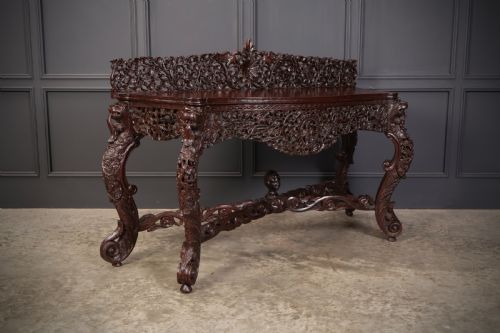


Antique Colonial Sofa
An antique colonial sofa brings sculptural timber and tropical craftsmanship straight into the drawing room.
Antique Colonial Sofa
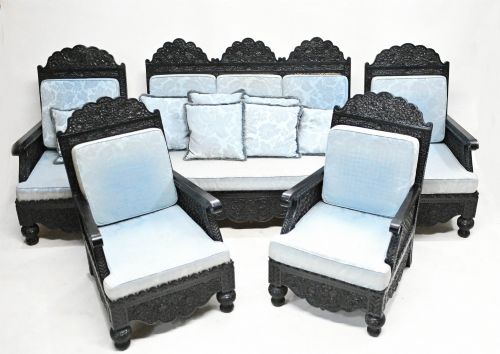
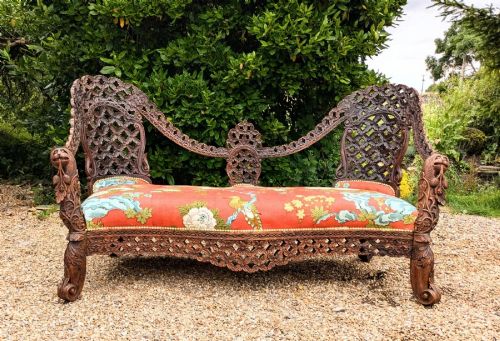
An antique colonial sofa is a substantial seating piece produced during the nineteenth or eighteenth century within regions influenced by European trade and settlement. These items merge indigenous woodworking traditions with European forms, resulting in distinct regional styles such as Anglo-Indian and Spanish colonial. Buyers searching for an antique colonial sofa encounter varied iterations, from caned daybeds to heavily carved scroll back benches.
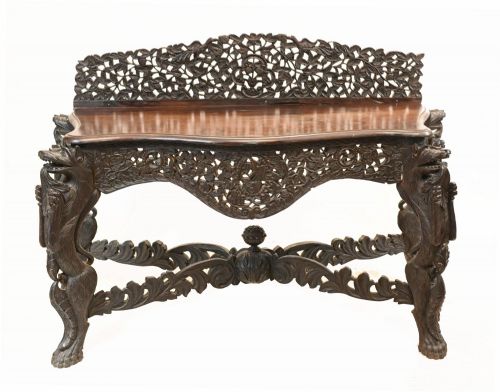
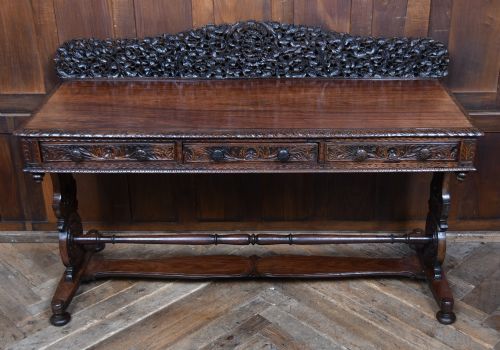
The Anglo-Indian and Anglo-Burmese examples dominate the selection, frequently showcasing deep floral or scroll carvings along the frame. Alongside these, Dutch Rococo and Spanish colonial pieces appear, reflecting wider European design currents adapted to distant territories. Most variants rely on expansive seating platforms designed for warmer climates, often integrating open cane work alongside upholstered sections.
Materials and construction methods
Makers utilised dense tropical timbers such as teak, padauk, rosewood, and ebony to construct these durable frames. These heavy woods permitted intricate relief carving without compromising the structural integrity of the long settees and daybeds. Walnut and general hardwoods also appear in specific regional styles like the Spanish colonial items.
Cane seating panels provide breathable support in many pieces, paired with carved wooden frames or removable upholstery. The joinery combines traditional regional woodworking techniques with European furniture patterns, creating robust seating designed to endure humid environments.
Antique Colonial Sofa Retail Price Guide 2026
Typical asking prices for colonial sofa among the pieces listed under this phrase on Sellingantiques today, from the lower quarter to the upper quarter. They describe what is for sale here now, not the wider market.
Listings feature eighteenth and nineteenth-century periods, incorporating materials such as teak, rosewood, padauk, and cane.
Qualities that distinguish the pieces
The depth and crispness of the hand-carved ornamentation separate standard items from finer examples. Sharply defined botanical motifs and balanced proportions indicate superior workshop execution, whereas softer, shallower carving suggests more hurried production.
The choice of dense primary timber, such as solid Rio rosewood or figured padauk, elevates a piece above those made from secondary hardwoods. The integrity of original cane work and the precision of the frame joinery also mark the distinction between ordinary utility furniture and masterwork seating.
The Antique Colonial Sofa Glossary
- Padauk
- A heavy, durable tropical hardwood displaying a reddish-brown hue that darkens with age. It serves as a primary material for carved colonial furniture.
- Cane
- Woven rattan material utilised for seat and back panels to provide cool, flexible support. This technique is typical of furniture made for tropical climates.
- Anglo-Indian
- A design style produced in India during British rule, combining British furniture forms with indigenous Indian carving traditions. These pieces often feature dense floral reliefs.
- Scroll back
- A furniture silhouette featuring an upper backrest curving outward in a continuous scroll motif. This profile appears frequently on nineteenth-century benches and settees.
- Daybed
- A long seating unit designed for both reclining and sitting, frequently fitted with cane panels and open sides. They function as versatile daytime lounging furniture.
Antique Colonial Sofa: Frequently Asked Questions
How do I care for a caned sofa?
Keep the cane hydrated by wiping it lightly with a damp cloth periodically to prevent the natural fibres from becoming brittle.
Avoid placing the piece near direct heat sources or in intense sunlight, which damages fragile tropical woods and dried rattan.
Are these sofas comfortable for daily use?
Many designs incorporate generous proportions and angled backrests suited for relaxed sitting, though the firm wooden frames differ from modern upholstered seating.
Adding loose cushions or squabs to the wooden or caned base provides extra comfort for contemporary living spaces.
How can I tell the age of the wood?
Examine the timber colour, surface patina, and tool marks visible on the underside or unexposed structural joints of the frame.
Older tropical hardwoods develop a deep, rich sheen over centuries of handling and oxidation that modern reproductions cannot replicate.