


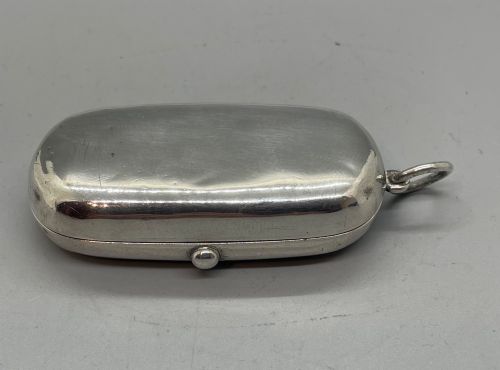


Antique Coin Container
These antique coin container pieces are practical, pocket-sized metal items used to store currency and small valuables, sought after for their intricate craftsmanship and historical utility.
Antique Coin Container
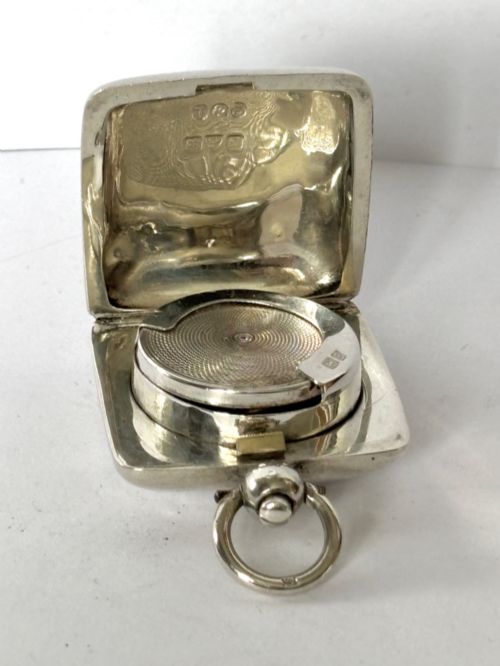
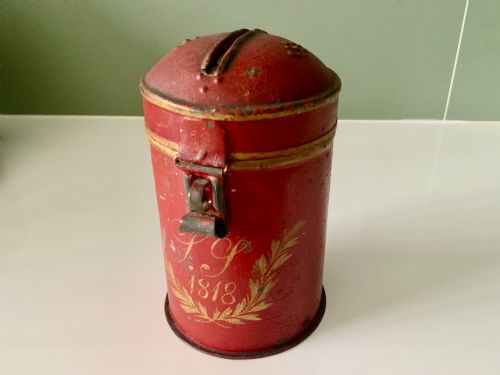
When you search for an antique coin container, you are looking at small metal objects designed to hold coinage securely, with sovereign cases and snuff boxes forming the majority of what you will meet on this page. These pieces date across the Victorian, Edwardian, Georgian, and mid-twentieth-century periods, reflecting the changing daily carry habits of past generations. The forms range from pocket-sized sovereign holders to desk-top snuff boxes and pill boxes inset with coins.
The materials span sterling silver, standard silver, brass, bronze, vermeil, enamel, and jade, originating from British workshops and international makers such as Hermes in Paris and Chinese Qing dynasty artisans. You will find single and double sovereign cases alongside heavily engraved snuff boxes and dragon-embellished ashtrays with jade rims. Each object serves as a physical record of monetary exchange and personal accessorising from the nineteenth and twentieth centuries.
How they were made
Makers utilised sterling silver and standard silver as the primary metals for sovereign cases and pill boxes, often shaping them through stamping, pressing, and soldering techniques. Silver surfaces frequently received detailed hand engraving, geometric patterns, or polished finishes to catch the light.
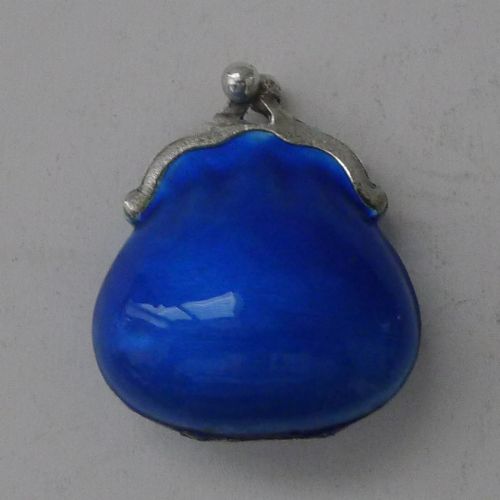
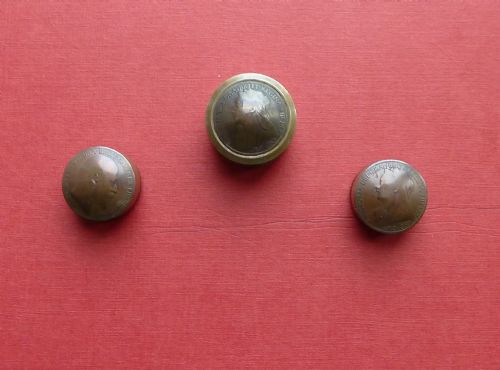
Some pieces incorporated coloured enamel and precious stones, such as the jade rims seen on Chinese Qing dynasty ashtrays, or featured actual inset currency like the 1873 coin set into a Hermes pill box. Hallmarks stamped directly into the silver metal provide precise regional and chronological data, pointing to assay offices in cities like Birmingham.
Antique Coin Container Retail Price Guide 2026
Typical asking prices for coin container among the pieces listed under this phrase on Sellingantiques today, from the lower quarter to the upper quarter. They describe what is for sale here now, not the wider market.
What varies in quality
Material selection and decorative complexity also influence the standing of an item, distinguishing plain polished silver from pieces combining vermeil, polychrome enamel, or inset coins. The clarity of Birmingham hallmarks and maker marks adds historical weight to the physical construction.
Aaron Lufkin Dennison·Henry Charles Freeman·Hermes Paris
The Antique Coin Container Glossary
- Sovereign case
- A small, pocket-sized container specifically engineered to hold British gold sovereign coins securely. These cases often feature internal springs to keep the coins from rattling.
- Sterling silver
- An alloy of silver containing ninety-two point five percent by mass of silver and seven point five percent by mass of other metals, usually copper. This standard metal is frequently encountered in British sovereign cases.
- Vermeil
- Sterling silver that has been coated with a thin layer of gold. This technique provides the rich appearance of solid gold while maintaining a silver base structure.
- Hallmark
- An official mark stamped onto items made of precious metals in the United Kingdom. It certifies the metal standard and indicates the assay office, maker, and year of production.
- Snuff box
- A small hinged box designed to hold ground tobacco intended for sniffing. Antique examples often feature elaborate silver engraving on the lid and base.
Antique Coin Container: Frequently Asked Questions
What is a sovereign case?
A sovereign case is a small, rigid metal container designed to fit comfortably in a waistcoat pocket while holding gold sovereign coins securely. They often feature spring-loaded clips to release one coin at a time.
Victorian and Edwardian gentlemen relied on these accessories to protect their currency from loss or damage during daily travel. Today, they are collected as miniature examples of functional silver smithing.
How do I date a silver sovereign case?
You date a British silver sovereign case by examining the hallmarks stamped into the metal surface, which indicate the specific assay office and year letter. Makers' marks also help identify the exact workshop responsible for the piece.
Additional dating clues come from the style of engraving and the reigning monarch during whose era the item was produced. Comparing these design motifs to documented periods narrows down the decade of manufacture.
Were all antique coin containers made in Britain?
Not all coin containers originate from British workshops, though a large proportion of sovereign cases bear Birmingham hallmarks from the Victorian and Edwardian eras. Continental makers and international luxury houses also produced similar items.
For instance, French firms and Chinese Qing dynasty artisans created pill boxes and ashtrays utilising local decorative techniques like enamelling and jade mounting. These regional variations expand the stylistic range of coin containers available to collectors.
How should I display a sovereign case?
Sovereign cases can be displayed on small stands inside a cabinet or kept within flat display trays alongside other pocket curiosities. Their compact size allows them to be grouped together by period or maker without taking up much space.
Handling them requires care to preserve any original gilt or polished silver finishes. Storing them in a dry environment prevents tarnishing of the metal surfaces.