


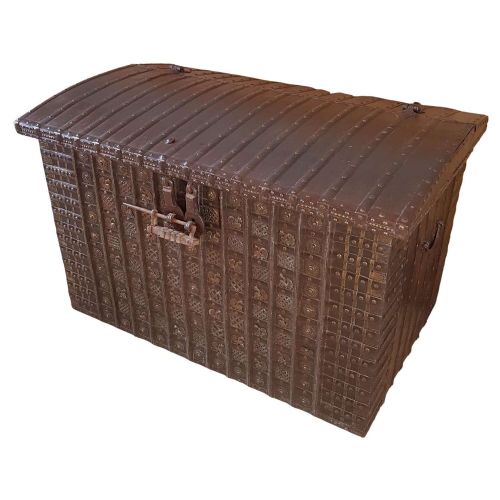


Antique Coffer Lock
An antique coffer lock secures sixteenth to nineteenth-century storage pieces forged from iron, brass, steel, and oak.
Antique Coffer Lock
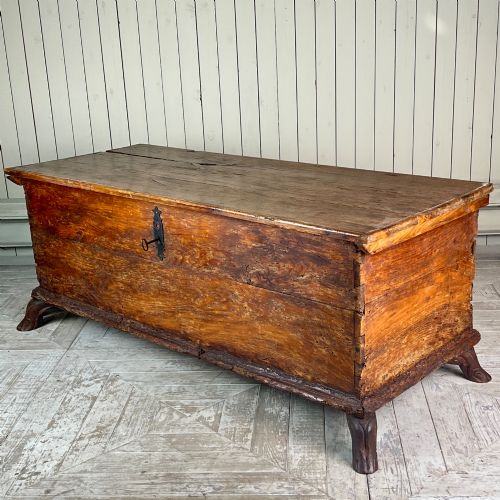
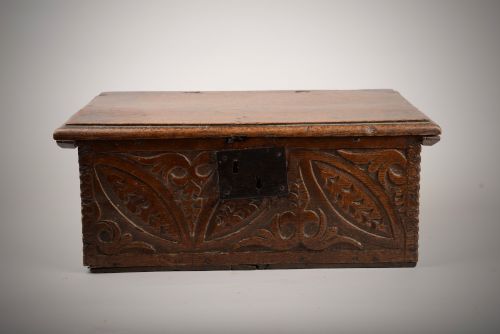
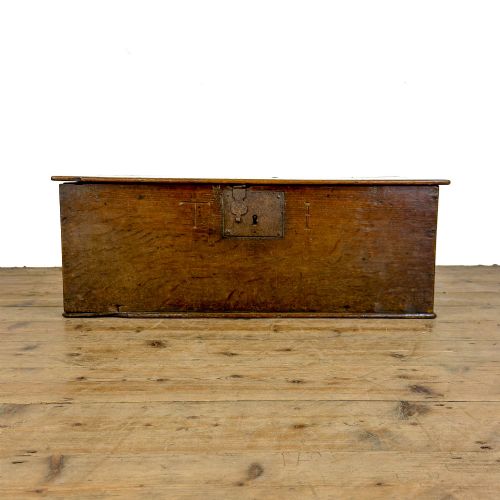
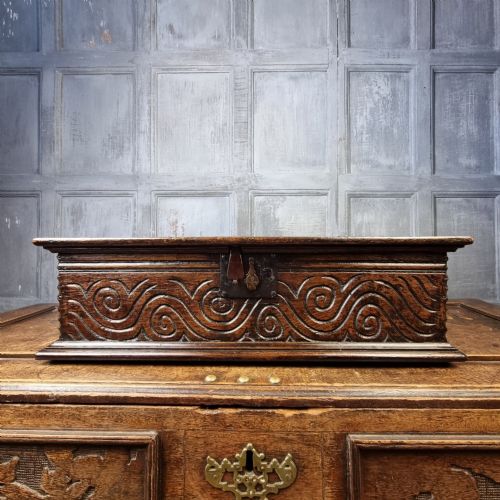
When you search for an antique coffer lock, you examine the functional hardware that secured seventeenth-century oak coffers, strong boxes, and travel chests. These mechanisms appear on sturdy containers designed to protect valuables, documents, and textiles.
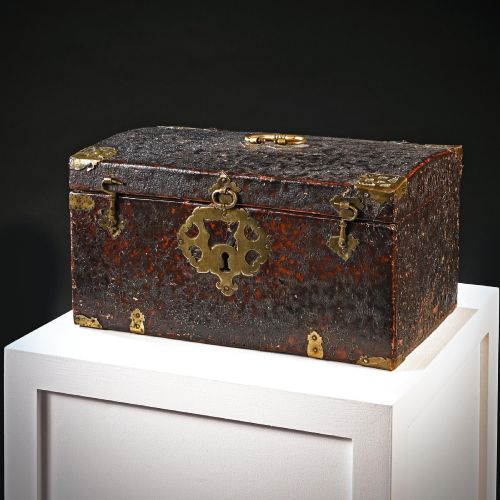
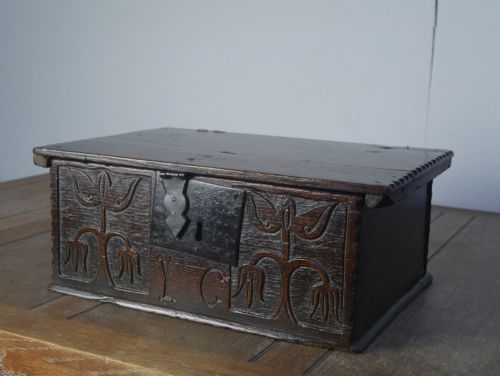
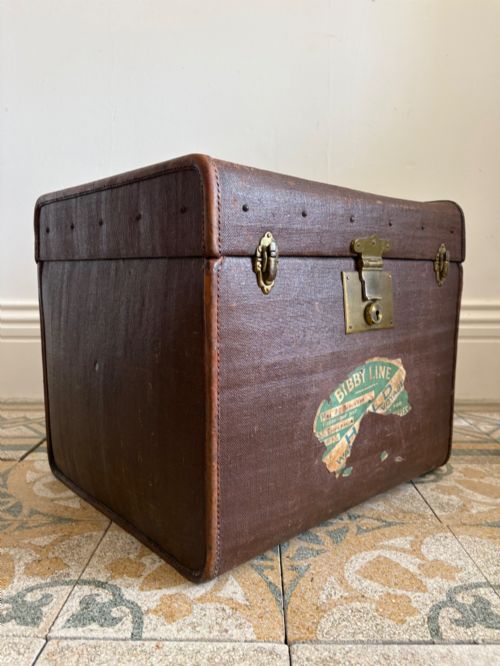
The pieces on this page span several centuries, featuring sixteenth and seventeenth-century English oak boxes, Spanish leather chests, and Victorian iron safes. You will frequently encounter domestic coffers alongside specialised strong boxes fitted with original keys and complex bolts.
Materials and construction
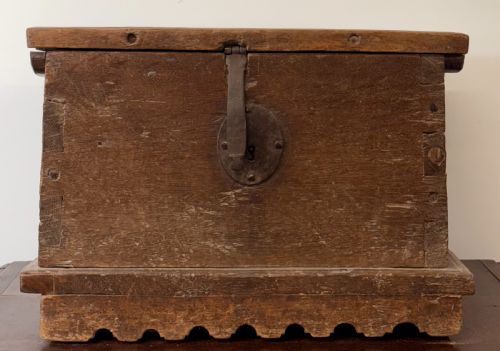
Blacksmiths and locksmiths forged these mechanisms using heavy iron, steel, and brass, mounting them directly onto timber surfaces of oak, elm, walnut, and pine. The components rely on hand-beaten straps, visible rivets, and internal levers designed to throw multiple bolts across a lid or door.
Many storage pieces combine structural timber frames with protective metal banding, leather coverings, and canvas reinforcements. Artisans integrated the lock plates flush into the wood or reinforced the exterior with elaborate strapwork to deter forced entry.
Antique Coffer Lock Retail Price Guide 2026
Typical asking prices for coffer lock among the pieces listed under this phrase on Sellingantiques today, from the lower quarter to the upper quarter. They describe what is for sale here now, not the wider market.
Several travel trunks retain secretive internal compartments designed to outsmart clever thieves.
Assessing quality and mechanism integrity
Quality rests upon the complexity of the internal mechanism and the survival of its original key and faceplate. A sophisticated steel or brass lock with intact levers and a working bolt demonstrates superior locksmithing compared to a later replacement.
The integration of the lock into the surrounding timber also dictates merit, as skilled makers fitted plates cleanly flush with the oak or iron banding. Heavy cast iron safes and intricately engraved brass hardware represent higher tiers of period production.
The Antique Coffer Lock Glossary
- Coffer lock
- A mechanical device fastened to the lid or front panel of a chest to secure stored contents. These mechanisms typically employ internal levers or wards operated by a specific key.
- Strong box
- A heavily fortified small chest or box constructed for secure transport or storage of valuables. They often feature iron banding and complex internal locking assemblies.
- Strapwork
- Ornamental or reinforcing bands of metal fixed across the exterior of a chest or lock plate. This technique distributes stress and deters tampering with the underlying wood.
- Bible box
- A small tabletop wooden desk or storage box featuring a sloping or flat lid. These pieces frequently incorporate internal drawers and working locks for personal documents.
- Damchiya
- A traditional dowry chest originating from regions such as Rajasthan, often fitted with intricate iron bands and specialised locking mechanisms.
Antique Coffer Lock: Frequently Asked Questions
Are original keys common on these locks?
Original keys survive on a selection of the seventeenth and eighteenth-century pieces, though many older mechanisms have been adapted or paired with replacement keys over centuries of use.
When a box retains its original working key and complex steel lock, it holds greater integrity for collectors of period hardware.
How were these heavy chests used historically?
These pieces served as secure vessels for transporting and storing currency, legal documents, textiles, and valuables in domestic or institutional settings.
Travellers utilised leather trunks and iron-banded strong boxes, while households kept stationary oak coffers and bible boxes in public rooms.
What timber species appear most frequently?
Oak dominates the sixteenth and seventeenth-century English boxes and coffers, often showing dense grain and traditional joinery.
Other examples incorporate elm, walnut, pine, camphor wood, and leather-covered wooden frames depending on the geographic origin.
How do I date an iron or brass lock?
Dating relies on the manufacturing technique of the metal components, the shape of the faceplate, and the complexity of the internal wards or levers.
Hand-hammered iron strapwork and forged steel bolts generally indicate earlier seventeenth-century work, whereas nineteenth-century pieces feature more uniform cast iron.