




Antique Coffee Can
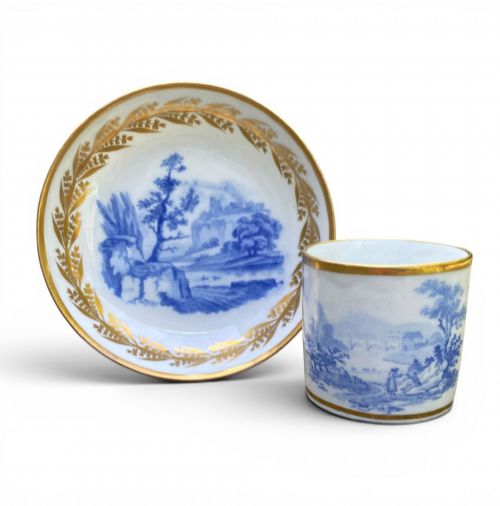
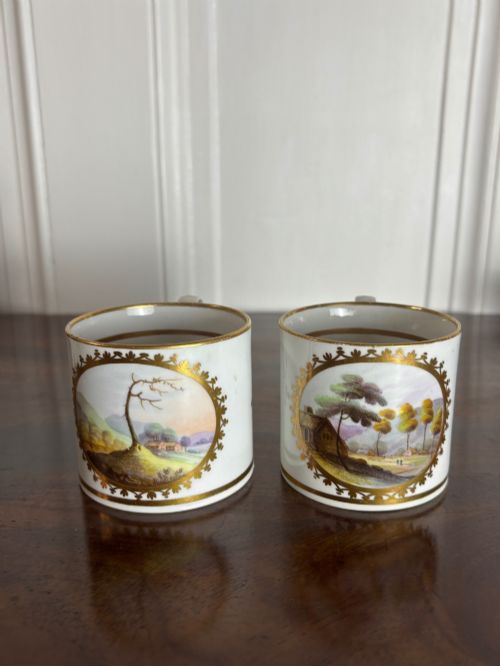
These antique coffee can pieces are cylindrical ceramic vessels designed for drinking strong brews, sought after for their refined hand-painted decoration and cabinet presence.
Antique Coffee Can
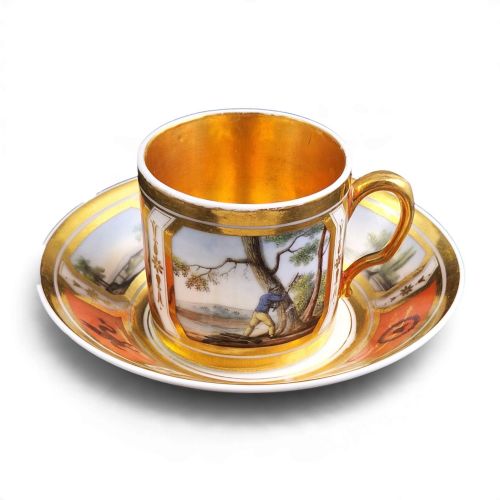
An antique coffee can is a straight-sided ceramic cup made without a handle, designed specifically for serving strong coffee in the eighteenth and nineteenth centuries. You will most frequently encounter Georgian and Regency examples on this page, originating from renowned English factories such as Worcester, New Hall, and Spode.
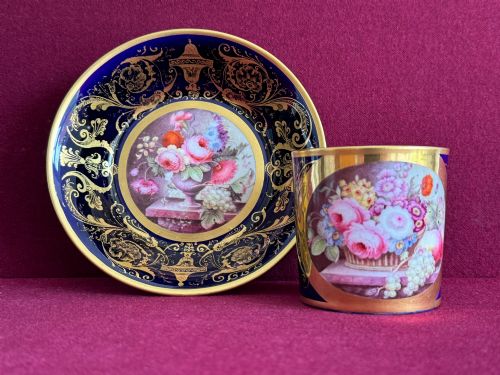
The form evolved from handleless Chinese porcelain tea bowls, maintaining a narrow, cylindrical profile that kept the beverage warm during the Georgian dining experience. Many of these pieces survive today paired with their original matching saucer, forming cabinet duos or larger sets.
Production spans from the eighteenth century through the Edwardian period and into the nineteen-twenties, incorporating both soft-paste and bone china bodies. Later iterations include cased sets with silver mounts and demitasse proportions from the early twentieth century.
Materials and manufacture
Potters utilised soft-paste porcelain and bone china to form the cylindrical bodies of an antique coffee can, shaping them on the wheel or via early mould techniques. These ceramic bases provided a smooth, white ground suited to intricate hand-painting and transfer printing.
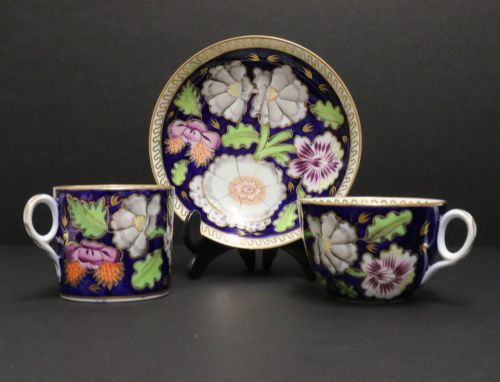
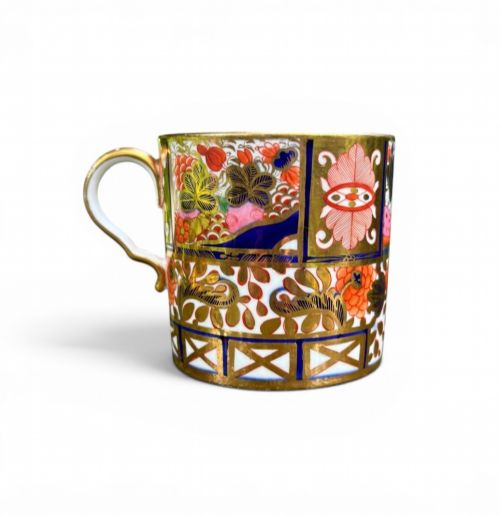
Decoration relied heavily on overglaze enamels, cobalt blue underglaze painting, and applied gold leaf or gilding to highlight intricate motifs. Factories employed skilled artisans to paint landscape scenes, Chinese figures, and Imari patterns directly onto the fired glaze before a final kiln fix.
Antique Coffee Can Retail Price Guide 2026
Typical asking prices for coffee can among the pieces listed under this phrase on Sellingantiques today, from the lower quarter to the upper quarter. They describe what is for sale here now, not the wider market.
Listings feature porcelain, bone china, enamel, and solid silver pieces spanning the eighteenth century to the nineteen-thirties.
Assessing quality and execution
Quality rests upon the crispness of the porcelain body and the precision of the hand-painted or gilt decoration applied across the surface. Pieces finished by named artists or featuring complex patterns like Imari and hand-painted landscapes stand apart from simpler monochrome wares.
The survival of vibrant gilding, unblemished enamel colours, and matching saucers elevates the desirability of an antique coffee can. Early soft-paste bodies with translucent glaze pooling show the refined technical output of eighteenth-century porcelain manufactories.
Royal Crown Derby·Newhall·Flight And Barr Worcester·Minton·Spode·Royal Worcester·Samson Hancock Derby·Barnard
The Antique Coffee Can Glossary
- Coffee can
- A straight-sided, handleless drinking vessel made for coffee during the Georgian and Regency periods. This form sits on a small foot rim and matches a saucer.
- Soft-paste porcelain
- An artificial ceramic paste fired at lower temperatures than true hard-paste porcelain. It creates a warm, creamy body that absorbs glaze richly.
- Bone china
- A porcelain body strengthened by the addition of animal bone ash. This material achieved high levels of whiteness and durability in nineteenth-century English factories.
- Imari
- A decorative style inspired by Japanese export porcelain, featuring deep underglaze cobalt blue combined with iron red and gold leaf. It remains prominent on Regency and Victorian ceramics.
- Gilding
- The application of gold leaf or gold paint to ceramic edges and handles. This decorative technique added luxury to cabinet pieces.
Antique Coffee Can: Frequently Asked Questions
Did antique coffee cans always have saucers?
Many antique coffee can examples survive with their matching saucers, as they were produced and sold as paired duos for the table. Over the centuries, however, many cans became separated from their original saucers during use.
Finding a complete set or a verified matched duo remains a key indicator of original composition for collectors today.
How do I identify an eighteenth-century coffee can?
Eighteenth-century pieces typically utilise soft-paste porcelain bodies that display characteristic glaze pooling and translucency when held to the light. Decoration from this era often includes hand-painted Chinese figures, Mandarin patterns, or wet blue grounds.
Examining the base weight and foot rim helps distinguish these early forms from later nineteenth-century bone china productions.
How should I display my antique coffee cans?
Because these cylindrical vessels are fragile and often feature delicate hand-painted gilding, they are best displayed in a secure cabinet away from direct sunlight. Stacking should be avoided to prevent friction damage to the rims and painted surfaces.
Pairing them with their matching saucers creates a stable and visually balanced display.