
Antique Cocktail Jewellery
Antique cocktail jewellery represents the bold, expressive adornments worn for evening socialising, spanning periods from Georgian paste clusters to mid-century sapphire designs.
Antique Cocktail Jewellery
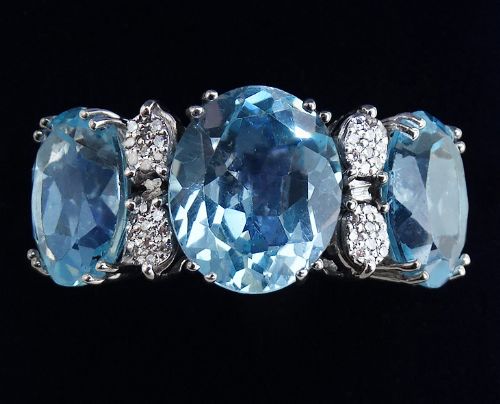
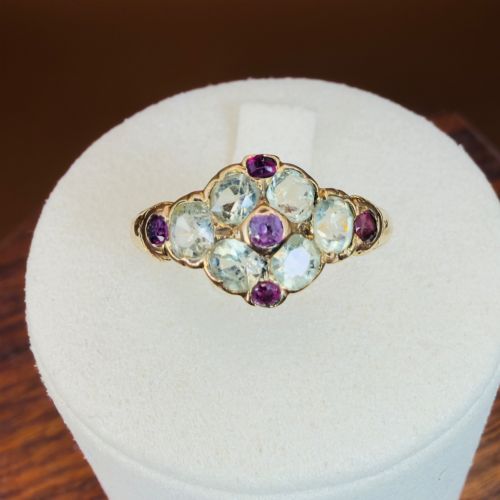
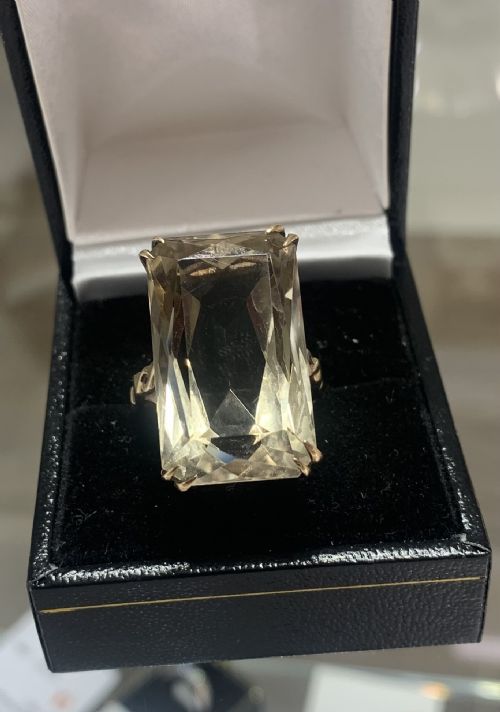
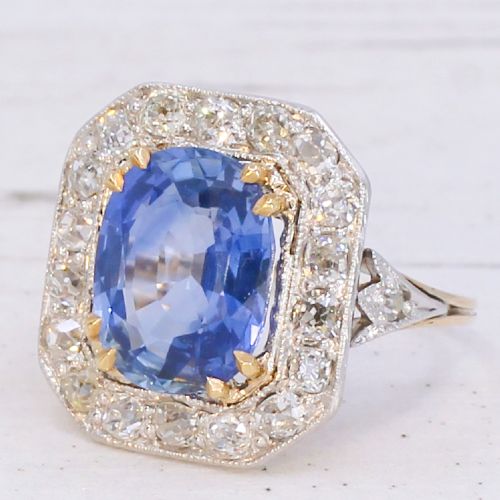
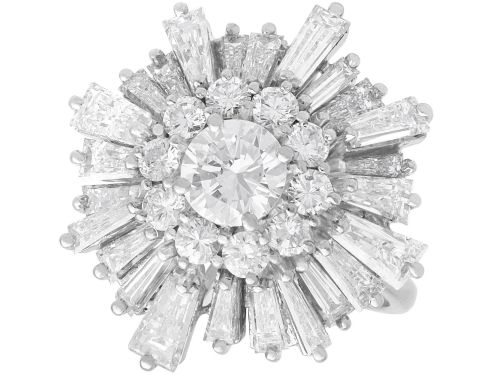
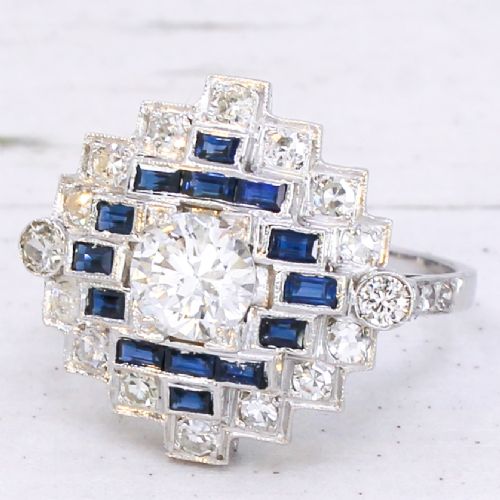
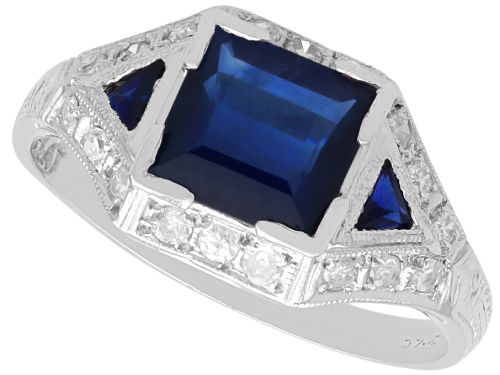
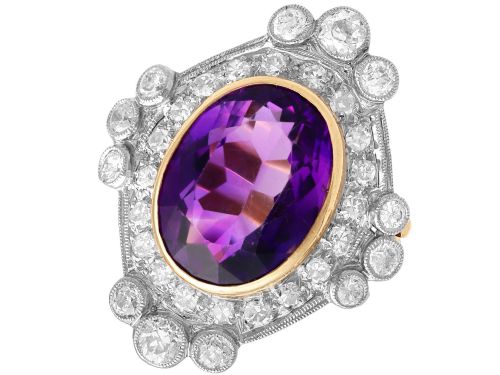
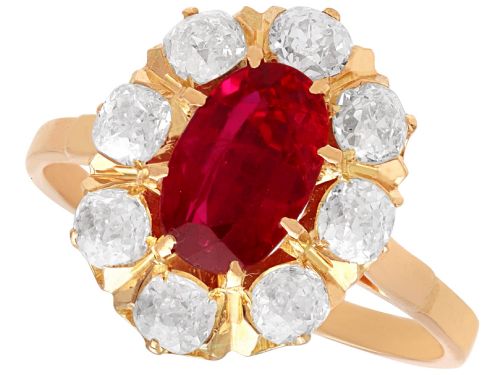
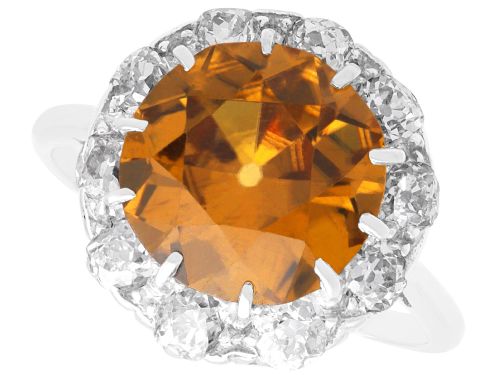
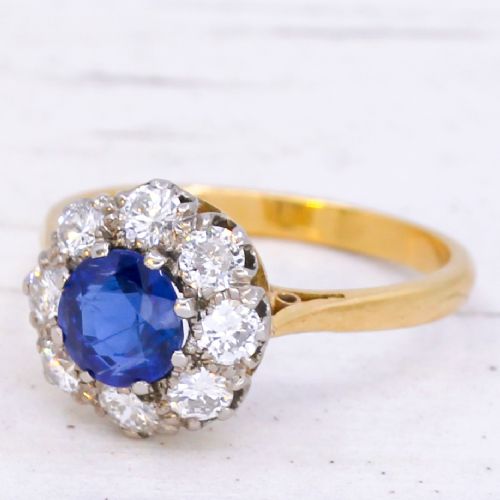
Antique cocktail jewellery centres on statement rings and dress rings designed to draw the eye during evening wear. The forms seen most frequently on this page are substantial cluster rings, navette designs, and large gemstone dress rings originating from the 1920s, 1930s, and Edwardian eras.
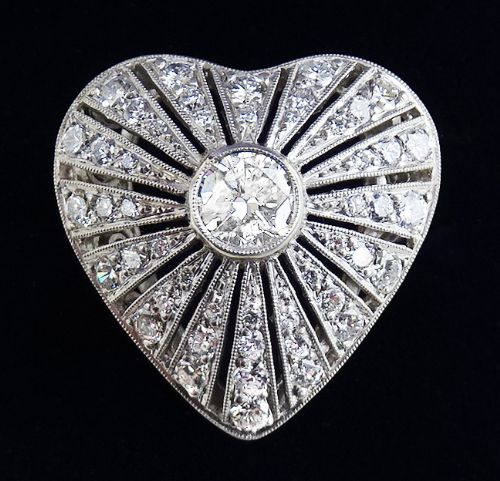
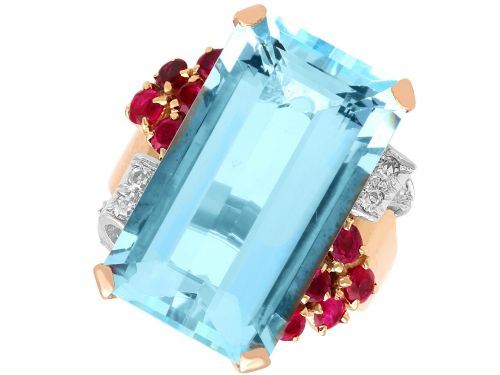
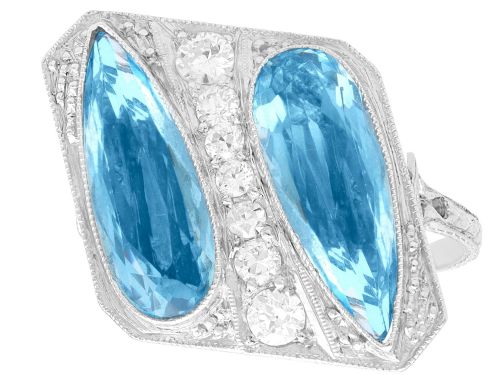
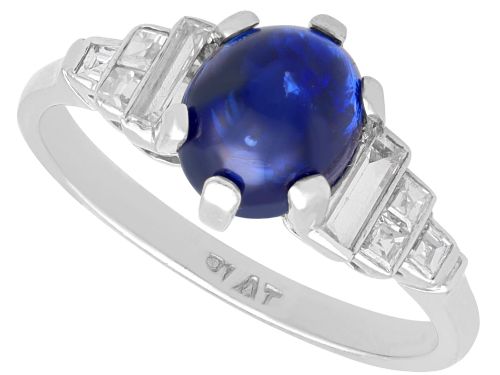
Pieces frequently incorporate significant central stones such as sapphires, rubies, emeralds, and aquamarines, surrounded by accent diamonds to maximise visual impact.
How They Were Made
Platinum emerged as a favoured metal for mounting fine diamonds and coloured gemstones during the Art Deco and Edwardian periods, allowing for delicate yet secure setting work. Gold in yellow, white, and rose hues, spanning 9ct, 14ct, and 18ct, provides the structural foundation for many cluster and dress rings.
Gems are predominantly set using claw, bezel, or flush techniques tailored to the specific cut of the stone, whether round, emerald cut, marquise, or cabochon. Master jewellers balanced high carat weight centre stones with precise pavé or channel-set diamond borders to enhance brilliance.
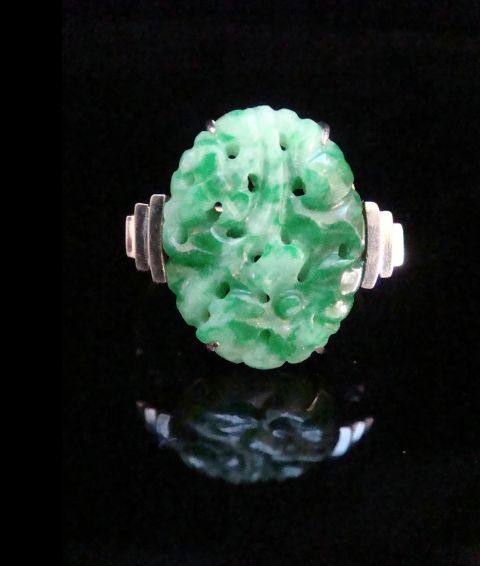
Listings feature platinum and gold mounts housing gemstones like aquamarine, amethyst, zircon, tourmaline, and jade across the Art Deco and mid-century periods.
What Varies in Quality
The distinction between standard pieces and the finest examples rests on the provenance, natural origin, and treatment status of the primary coloured stones, such as unheated rubies or negligible oil emeralds. Superior craftsmanship is evident in the harmonious proportions of the cluster work and the structural integrity of the platinum or gold mountings.
The precision of the gemstone cuts and the absence of extraneous inclusions in high-carat diamonds elevate the overall refinement of a piece. Original maker presentation, such as surviving boxes and papers, further separates exceptional survivals from standard marketplace offerings.
Omega
The Antique Cocktail Jewellery Glossary
- Cluster ring
- A ring featuring a prominent central gemstone encircled by a border of smaller stones, typically diamonds. This arrangement maximises the perceived scale and brilliance of the jewellery.
- Navette
- A boat-shaped ring setting that tapers to points at either end, popular in Edwardian and Art Deco designs. The elongated silhouette flatters the finger.
- Cabochon
- A gemstone shaped and polished with a smooth, rounded convex surface rather than faceted. This cut is frequently utilised for jade, opals, and certain star stones.
- Old cut
- A diamond cutting style prevalent in antique jewellery featuring a small table, high crown, and open culet. These stones capture candlelight and low-light settings distinctively.
- Paste
- Hand-cut glass or lead glass utilised as a substitute for gemstones in historic jewellery. Georgian and Art Deco paste pieces possess independent collectible status.
Antique Cocktail Jewellery: Frequently Asked Questions
What defines antique cocktail jewellery?
Antique cocktail jewellery consists of statement rings and dress pieces designed for evening wear, characterised by large central gemstones and bold geometric or flowing cluster settings. These adornments originate from periods such as the Edwardian era, Art Deco, and mid-century.
Platinum and high-carat gold serve as the primary metals, framing substantial sapphires, emeralds, rubies, and diamonds intended to catch the eye during social gatherings.
How do I care for antique rings?
Preserving antique cocktail jewellery requires mindful handling, particularly with delicate stones like opals, emeralds, and pearls that benefit from professional cleaning rather than harsh ultrasonic baths. Storing each piece separately prevents metal prongs from scratching softer gems.
Regular inspection of the settings by a specialist ensures that the platinum or gold claws securely hold heavy stones such as aquamarines and tourmalines during daily wear.
How do I distinguish Art Deco from Edwardian styles?
Edwardian jewellery relies on delicate platinum work, floral motifs, garlands, and lace-like openwork that give a light, feminine appearance. The stones are predominantly old cut diamonds paired with natural pearls and soft-hued gems.
Art Deco shifts toward strict geometric symmetry, sharp angles, and strong colour contrasts using calibrated sapphires, emeralds, and rubies. The overall architectural silhouette is bolder and more streamlined.
Were these rings worn daily in the past?
Historic cocktail jewellery was created primarily for evening parties, formal dinners, and social events rather than routine daytime wear. The substantial carat weights and delicate stone arrangements meant they were reserved for special occasions.
Today, collectors wear these dress rings and cluster designs as expressive signature pieces, pairing their historical character with contemporary wardrobes.