

Antique Cobalt Tray
An antique cobalt tray brings deep blue pigments and intricate hand-painted detail to a table, combining function with rich visual depth.
Antique Cobalt Tray
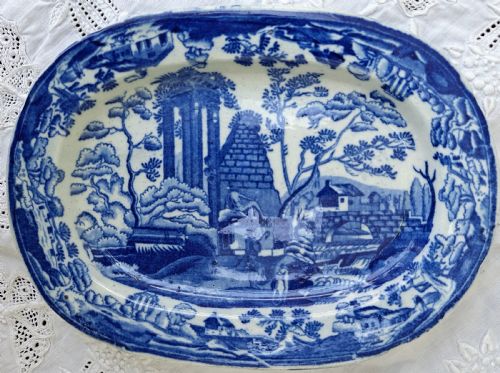
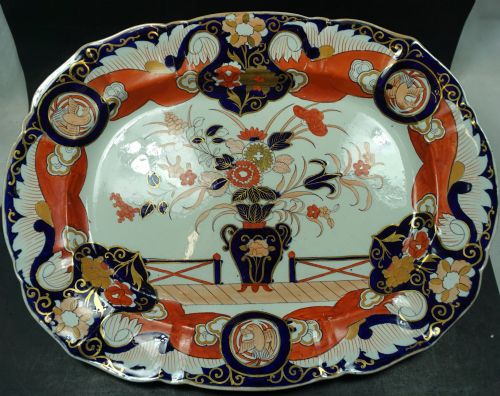
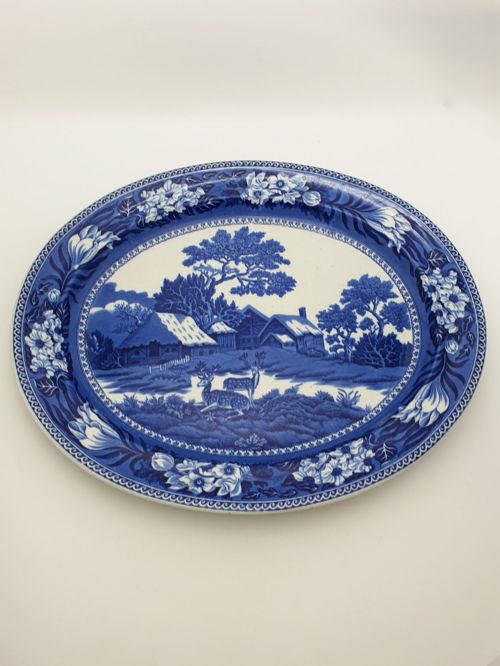
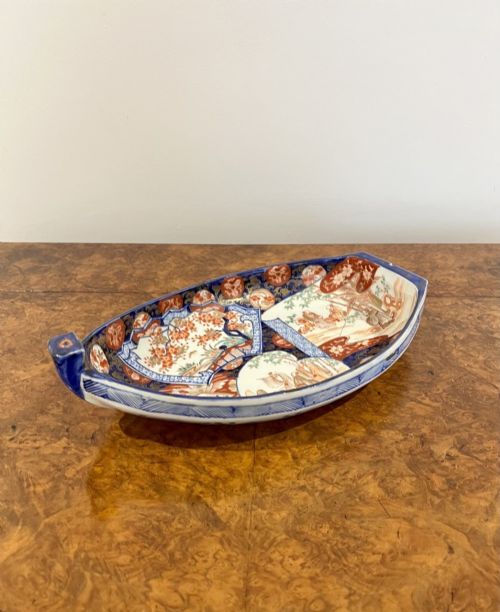
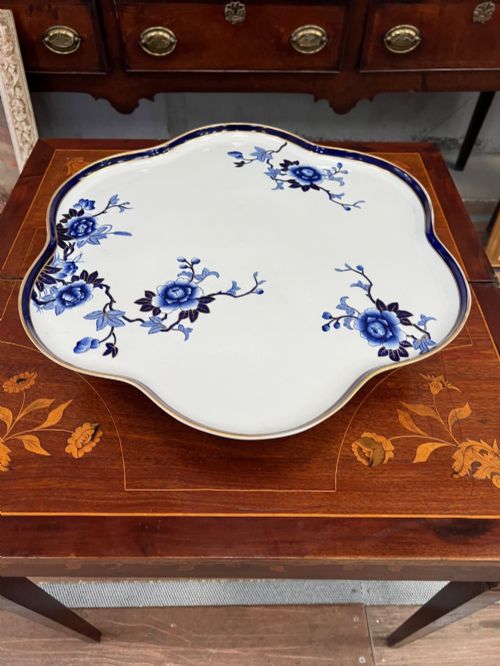
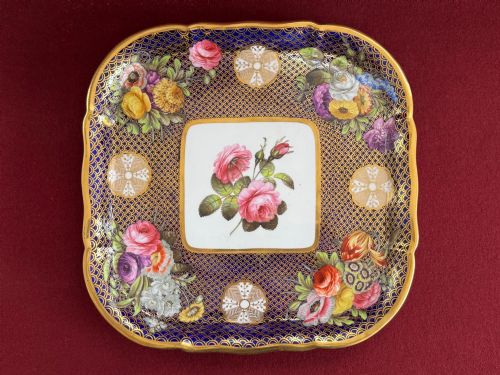
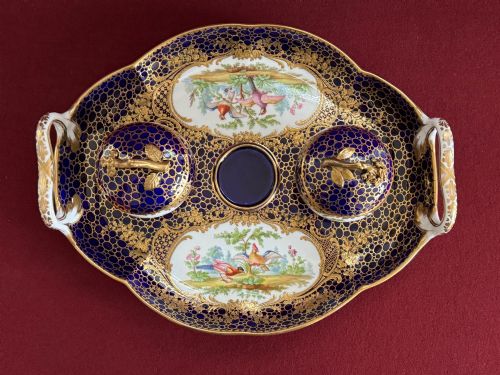
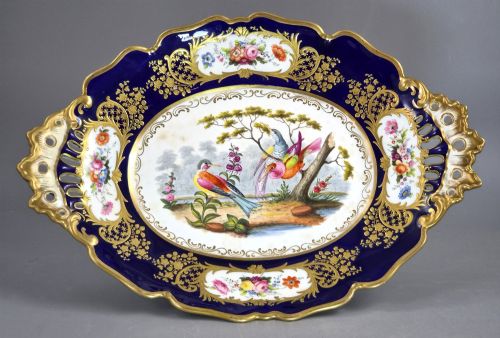
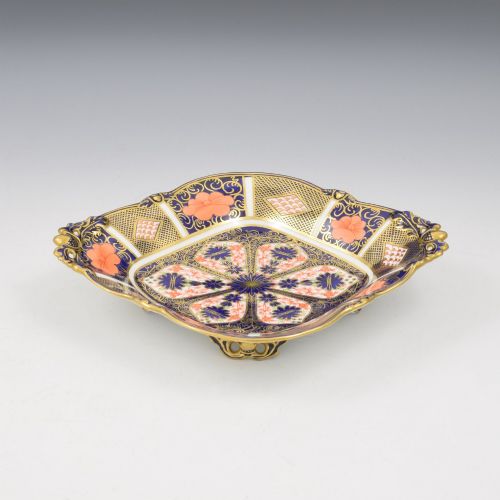
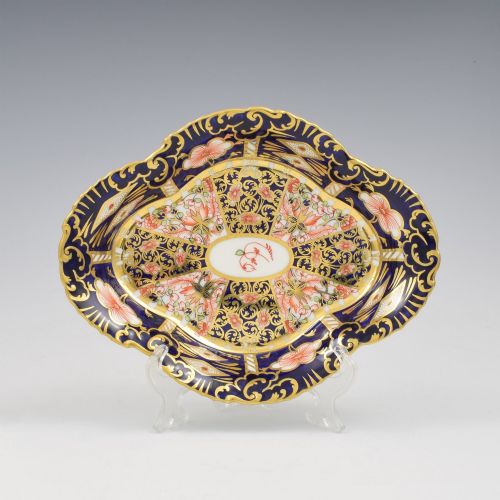
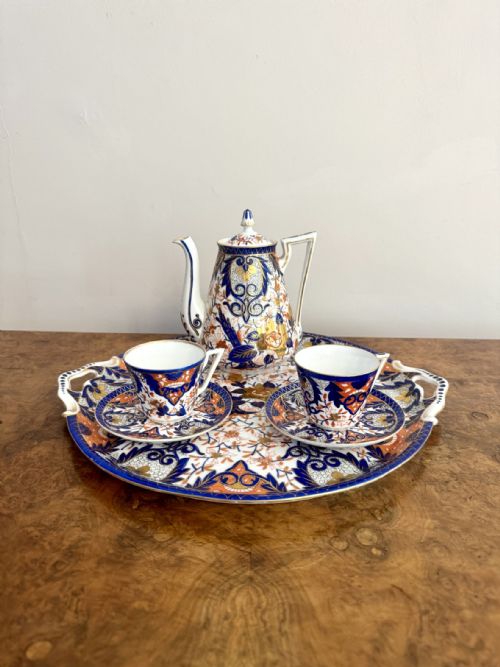
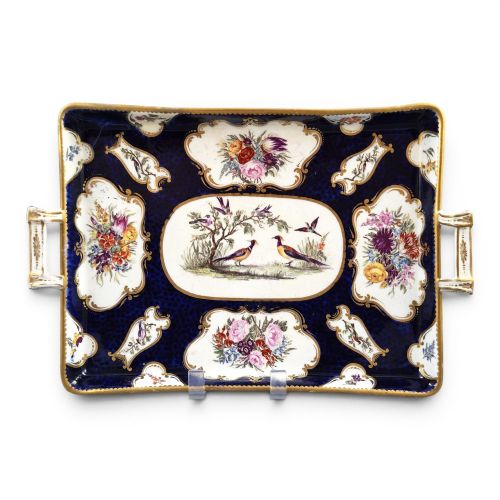
When you search for an antique cobalt tray, you encounter a variety of serving platters, decorative dishes, and inkstands spanning the Georgian, Regency, and Victorian periods. These pieces range from deep blue and white transfer-printed earthenware to richly gilded porcelain painted in the Imari and Sevres traditions.
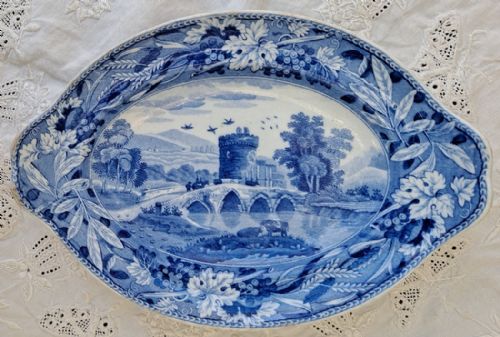
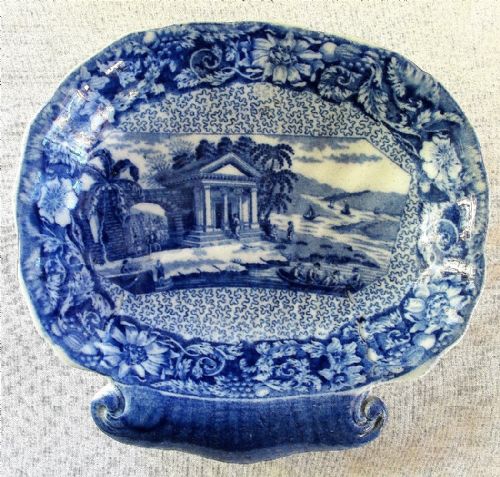
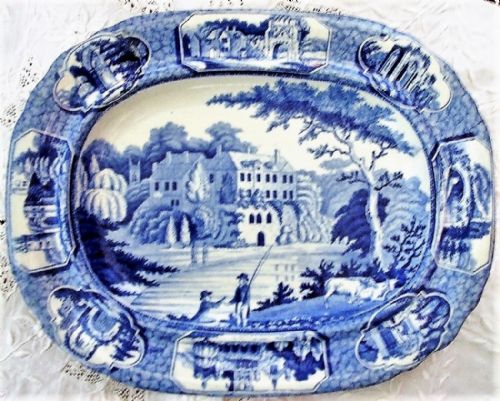
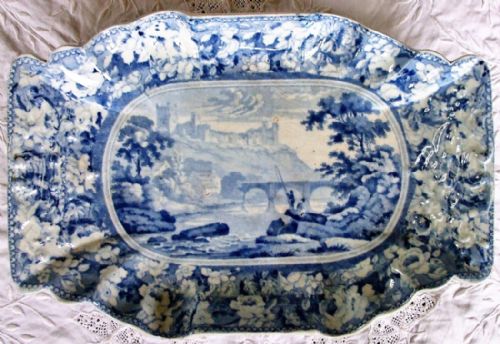
The most common forms on this page are large serving platters and decorative dishes that showcase intricate botanical, avian, and classical ruins patterns. Makers often utilised cobalt oxide beneath a clear glaze to achieve vibrant blue tones that contrast sharply with crisp white ceramic grounds.
Originating largely from English potteries and continental porcelain works, these items reflect centuries of shifting decorative tastes. From early Georgian transfer-printed pastoral scenes to elaborate Edwardian fruit-painted dishes, each object holds a distinct place in domestic history.
How they were made
Potters shaped ceramic, porcelain, earthenware, and bone china bodies either by hand on a wheel or by pressing clay into moulds to create intricate shell, fan, and lobed forms. Cobalt pigment was applied directly to the raw clay or bisque body before glazing and high-temperature firing locked the deep blue colour permanently beneath the surface.
Many examples feature applied gold leaf and hand-painted gilding added during a secondary, lower-temperature kiln firing. Skilled artists layered enamel colours over the glaze to produce complex multi-hued patterns like those seen in traditional Imari and Chinoiserie designs.
Antique Cobalt Tray Retail Price Guide 2026
Typical asking prices for cobalt tray among the pieces listed under this phrase on Sellingantiques today, from the lower quarter to the upper quarter. They describe what is for sale here now, not the wider market.
Listings feature items from the Georgian, Regency, Victorian, and Edwardian periods, utilising materials such as enamel, porcelain, bone china, and gold leaf.
What varies in quality
The sophistication of the hand-painting and the crispness of the transfer print dictate much of the division across these pieces. Finer platters exhibit precise brushwork, well-defined blue and white contrasts, and carefully registered gilt highlights that remain sharp across complex moulded surfaces.
Material composition also marks the distinction between standard earthenware utility wares and fine translucent porcelain or bone china bodies. Superior pieces demonstrate expert kiln management, resulting in smooth glazes free from major pooling or distortion around pierced rims and foot rings.
Minton·Spode·Royal Crown Derby·Coalport·Royal Worcester·Sevres·Don Pottery
The Antique Cobalt Tray Glossary
- Cobalt
- A metallic oxide used as a pigment to produce a rich, stable blue colour that withstands high kiln temperatures without fading. It forms the base of the deep blue ornamentation seen on porcelain and pottery.
- Transfer printing
- A mechanical method of applying complex decorative patterns to ceramic ware by engraving a copper plate, inking it, and transferring the design via tissue paper onto the bisque surface. This technique allowed intricate pastoral and Chinoiserie scenes to be reproduced consistently.
- Ashet
- A traditional Scottish and northern English term for a large serving platter or meat dish used at the dining table. These large ceramic pieces were designed to hold substantial joints of meat during communal meals.
- Well and tree
- A specialised serving platter design featuring channels carved into the ceramic surface that drain meat juices down into a central well. This practical innovation kept roasted meats elevated from their own liquids during carving.
Antique Cobalt Tray: Frequently Asked Questions
What were cobalt trays used for?
These pieces served practical roles in domestic dining, functioning as meat platters, cheese dishes, and serving trays for large meals. They also acted as decorative dishes or inkstands in formal studies and drawing rooms.
Over time, their striking blue pigments and intricate painted scenes made them display items used to showcase household status and refined taste during gatherings.
How do I date an antique tray?
Dating relies on examining the ceramic body, glaze characteristics, and factory backstamps underneath the piece. Earlier Georgian and Regency items often feature heavier earthenware bodies with softer blue transfer prints, while Victorian and later pieces frequently employ crisp bone china or hard-paste porcelain.
Stylistic cues such as Rococo Revival moulding or Sevres-inspired gilding further narrow the period of manufacture, aligning with the recorded production eras of specific potteries.
Are these trays safe for food?
While historic earthenware and porcelain platters were originally created for dining and food service, antique pieces often acquire microscopic surface crazing in the glaze over centuries of use. This porous quality can trap moisture and bacteria from modern foodstuffs.
Most collectors choose to exhibit these items purely as decorative works of art or use them dry for display rather than active daily dining.
How should I clean my tray?
Gentle maintenance preserves the delicate hand-painted enamel and fragile gold leaf gilding found on many antique porcelain and ceramic surfaces. Dusting with a soft, dry cloth is usually sufficient for routine care.
If washing is necessary, use lukewarm water and mild soap, avoiding abrasive scrubbers or immersion in water for extended periods to protect the historic glaze and ironstone bodies.