





Antique Cobalt Glass Salts
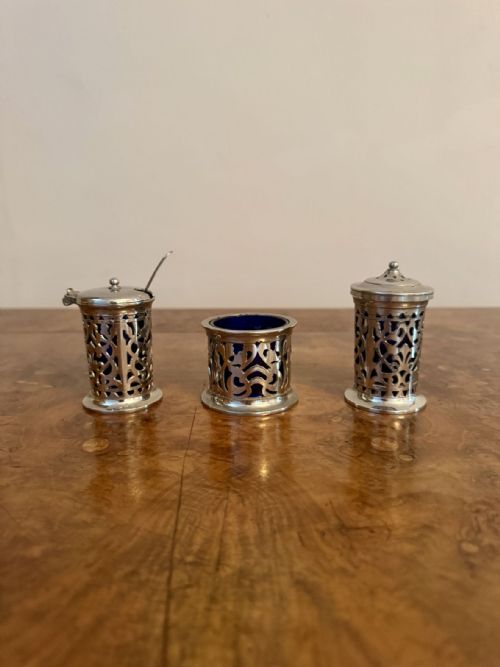
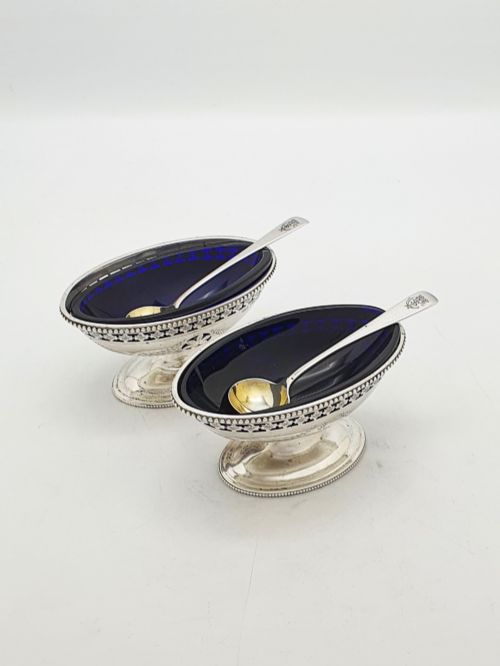
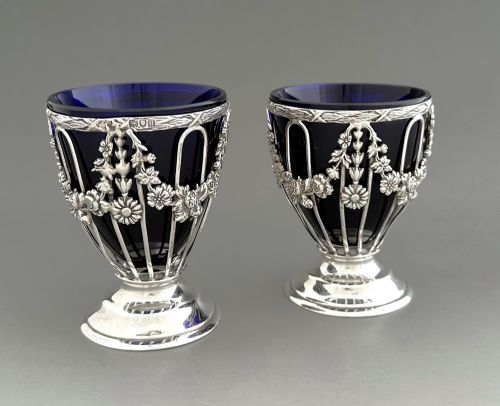
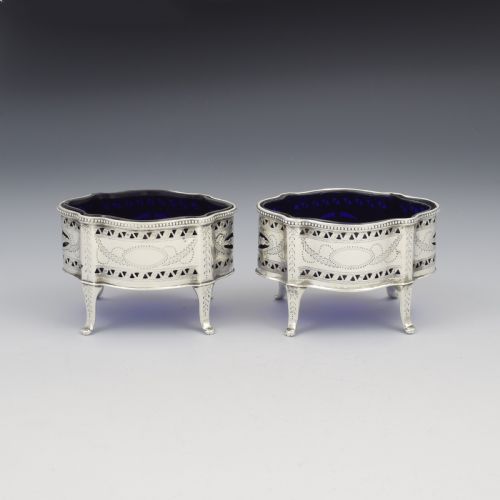
These antique cobalt glass salts bring a sharp flash of deep blue to the dining table, set within pierced silver or silver-plated frames.
Antique Cobalt Glass Salts
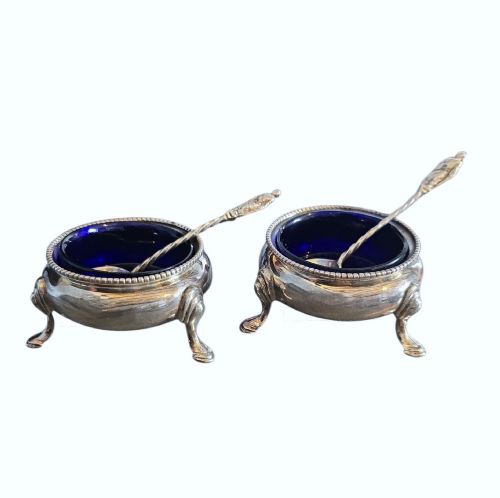
When you search for antique cobalt glass salts, you find small open cellars or enclosed condiment pots designed to hold table salt, frequently paired with sterling silver or silver plate. The forms range from simple boat-shaped vessels and wirework frames to pierced Victorian designs and Edwardian sets.
Most examples you meet on this page date from the Victorian and Edwardian eras, alongside earlier Georgian pieces and later Art Deco items. They frequently survive as pairs or sets complete with their original blue glass liners.
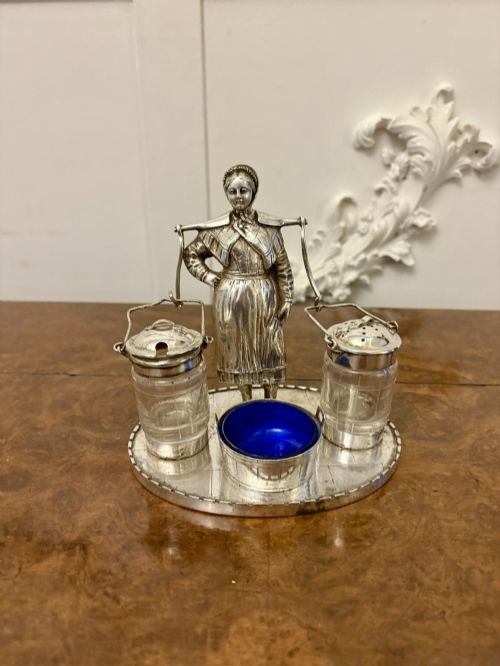
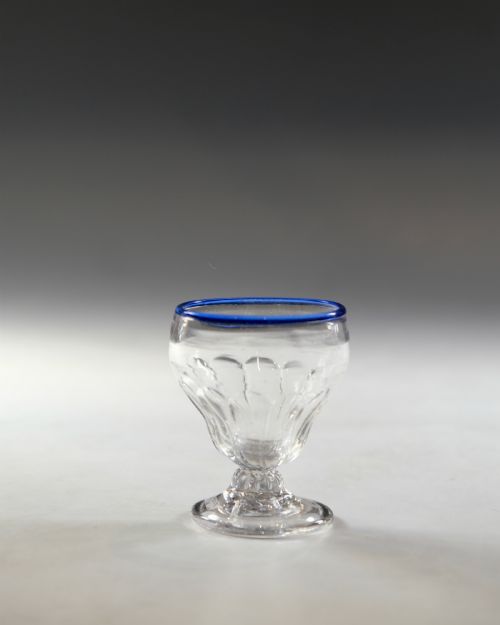
Beyond standard table salts, the listings include related tableware forms such as mustard pots, cruet sets, and bonnet glasses with blue glass rims. These small accessories formed an essential part of formal dining arrangements across the eighteenth, nineteenth, and early twentieth centuries.
How they were made
The glass elements rely on lead glass or standard glass compositions coloured with cobalt oxide during the melting process to achieve a rich, uniform blue tone. Master glassmakers blew or moulded these inserts to fit snugly inside metal frames.
The metal mounts combine sterling silver and silver plate, often worked through piercing, wirework, or boat-shaped casting techniques. Silversmiths constructed these frames to support the fragile glass liners securely while adding decorative contrast to the table.
Antique Cobalt Glass Salts Retail Price Guide 2026
Typical asking prices for cobalt glass salts among the pieces listed under this phrase on Sellingantiques today, from the lower quarter to the upper quarter. They describe what is for sale here now, not the wider market.
Some tiny Victorian scent bottles on this page share the same vibrant cobalt glass and silver overlay techniques used to make miniature table salts.
What varies in quality
The distinction between standard domestic items and finer pieces lies in the crispness of the silversmith's pierced work and the weight of the silver frame. Thicker metal walls and detailed wirework indicate superior manufacturing standards.
The quality of the glass insert also matters, judged by the depth of the cobalt colour and the absence of heavy bubbles or distortion in the vessel wall. Matching sets that retain their original liners command greater interest than mismatched combinations.
The Antique Cobalt Glass Salts Glossary
- Salt cellar
- An open vessel used to hold loose salt on the dining table before the invention of shaker bottles. They typically require a small spoon to serve the contents.
- Cruet set
- A matched collection of condiment containers, such as salt cellars, mustard pots, and pepper shakers, housed in a shared metal frame or stand.
- Lead glass
- A variety of glass containing lead oxide, which increases clarity, weight, and brilliance. It is commonly found in older tableware and decorative vessels.
- Monteith
- A bowl featuring a scalloped or notched rim, historically used for chilling wine glasses or serving as a decorative table centrepiece. In smaller forms, similar profiles appear on bonnet glasses.
- Pierced silver
- Metalwork decorated by cutting or piercing out decorative patterns from the sheet silver. This technique lightens the visual weight of salt cellars and condiment pots.
Antique Cobalt Glass Salts: Frequently Asked Questions
How were antique salts used at the table?
Diners used open salt cellars to take pinches of salt using small spoons or fingers, placing the seasoning directly onto their plates. They sat at intervals along the dining table for shared or individual use.
As dining habits shifted towards individual place settings, sets of four or more small salts became standard. Wealthier households maintained matching cruet sets containing salts alongside mustard and pepper pots.
How do I clean antique cobalt glass liners?
Wash the glass inserts gently in warm water using a mild dish soap and a soft cloth. Avoid harsh abrasives or soaking them for extended periods.
Keep silver polish away from the glass surface, as chemical residues can dull the cobalt finish. Dry the liners thoroughly before placing them back into their metal frames.
How can I tell the period of a silver salt?
Examine the hallmarks stamped on the silver frame, which indicate the assay office, date letter, and silversmith's mark. These tiny stamps provide a reliable guide to the year of manufacture.
Stylistic clues also help, such as the heavy ornamentation of Victorian pieces, the lighter wirework of Edwardian examples, or the geometric lines of Art Deco sets.