


Antique Coat Rack Hook
An antique coat rack hook solves the simple problem of hanging hats and coats with enduring practical craft.
Antique Coat Rack Hook
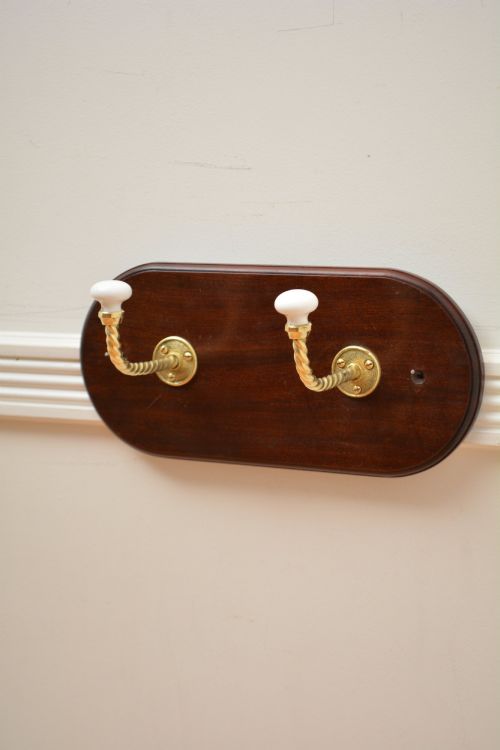
An antique coat rack hook encompasses both standalone wall-mounted fixtures and the functional fittings attached to larger hall furniture. Buyers seeking this phrase typically encounter single hooks or arranged sets fixed to timber backboards, originating primarily from the Victorian and Edwardian eras.
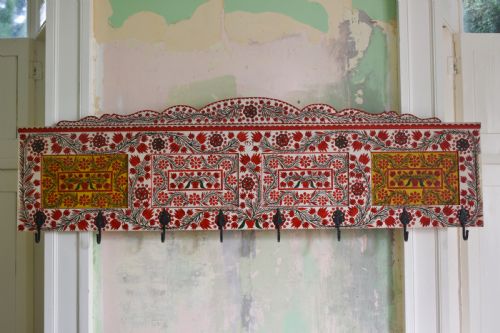
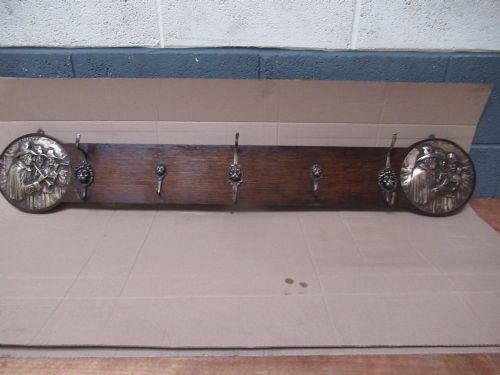
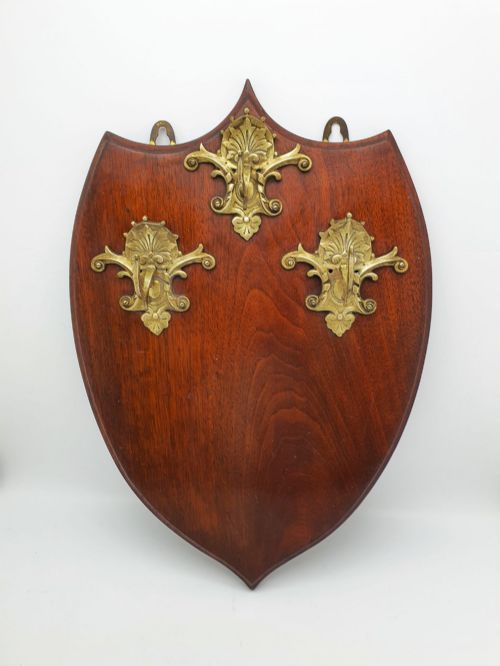
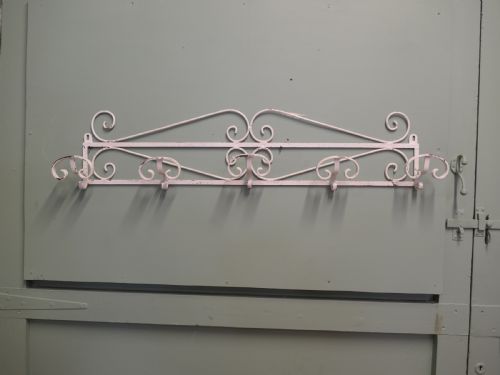
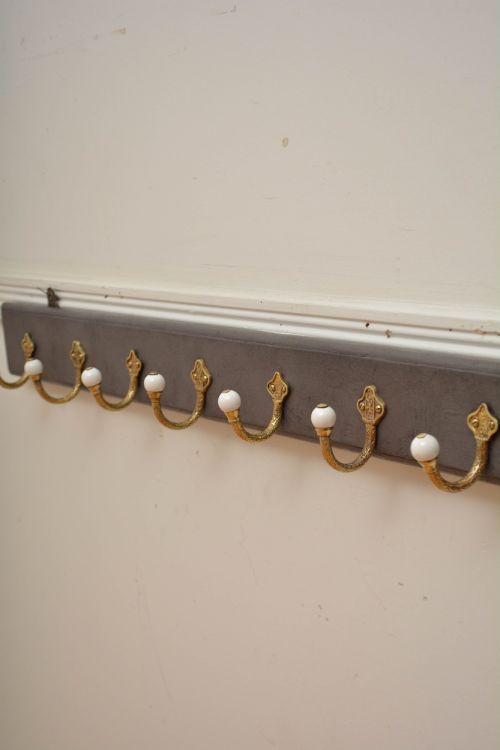
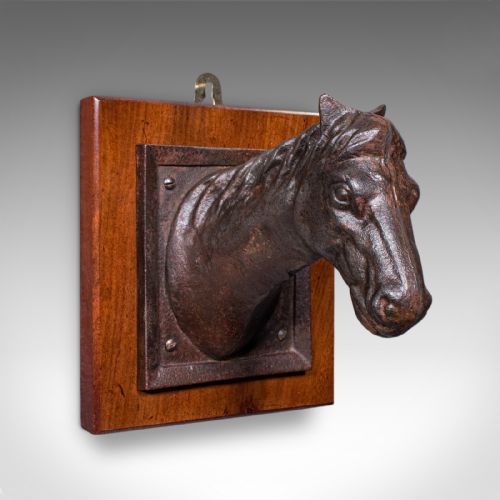
The selection ranges from simple domestic brass fixtures mounted on pine or oak planks to elaborate carved wooden wall plaques and heavy cast iron harness supports. These items served busy reception hallways, cloakrooms, and country house boot rooms.
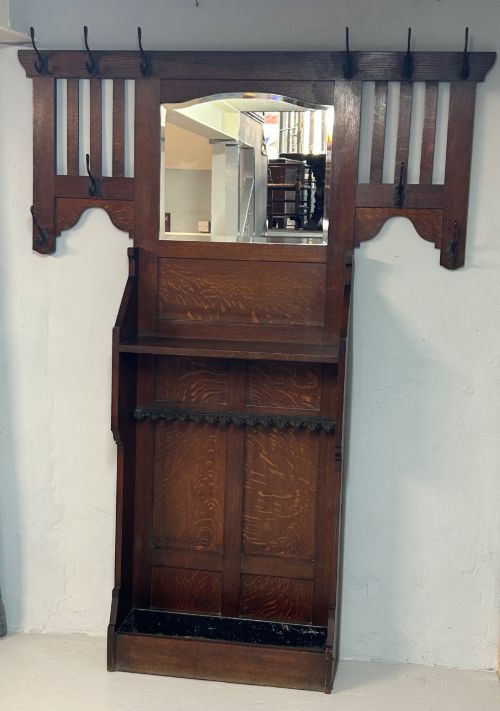
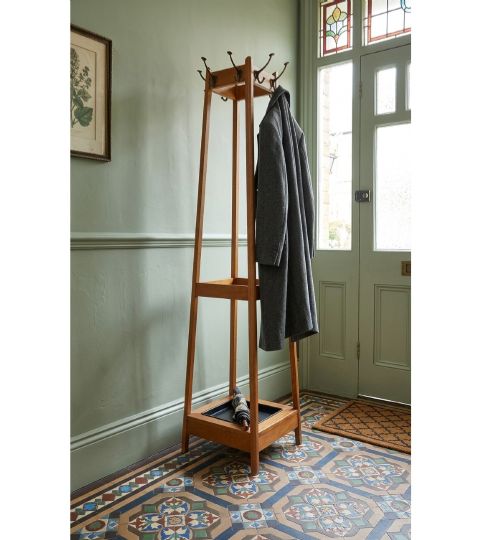
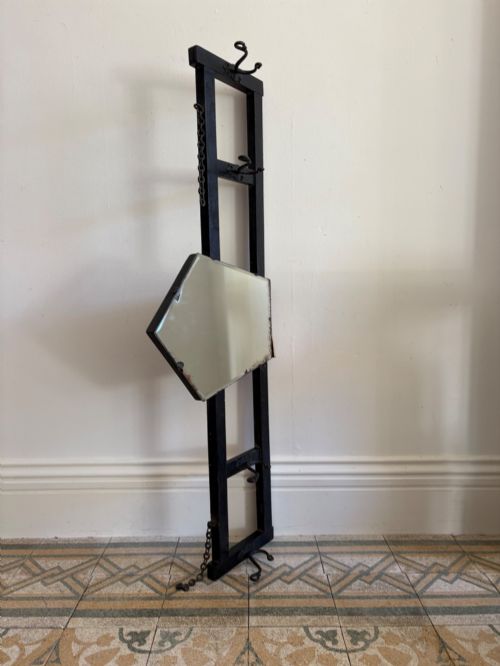
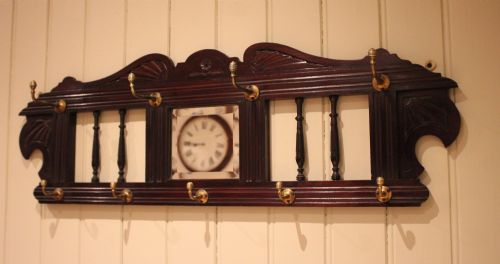
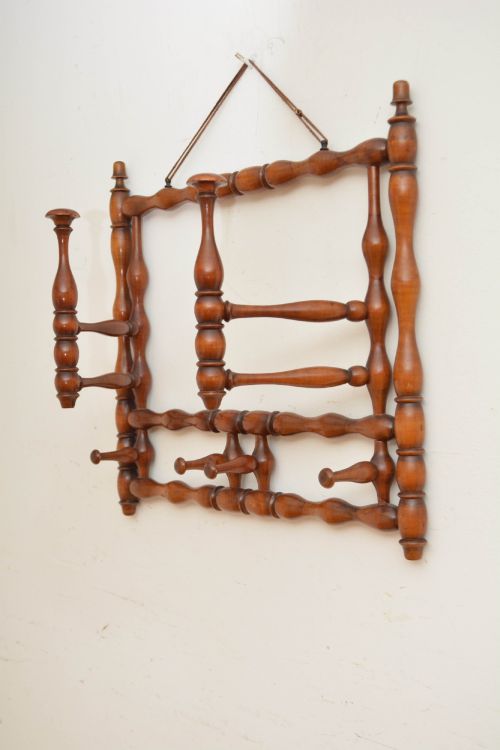
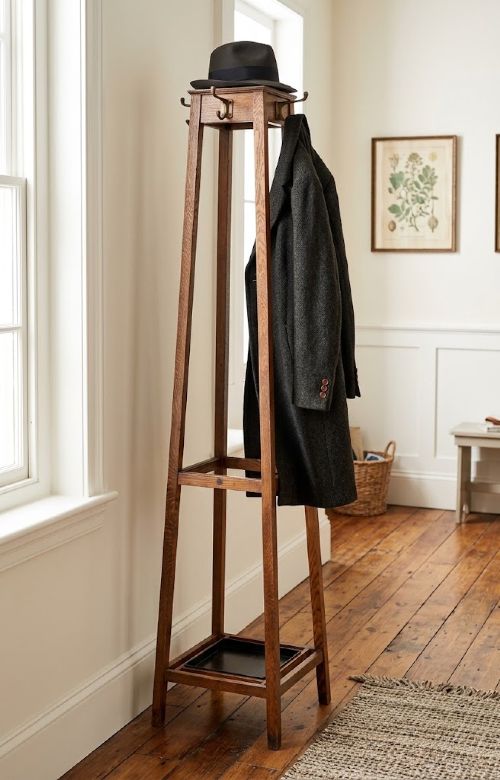
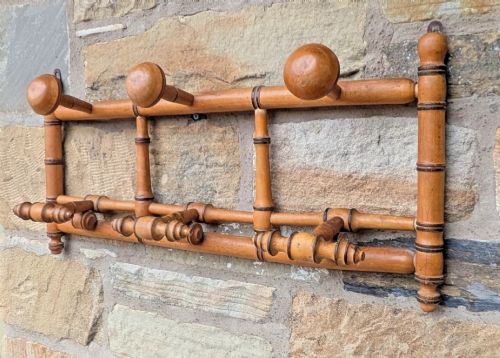
Freestanding hall stands and wall-mounted hat racks also appear frequently in the inventory, combining timber panels with multiple metal hooks and occasionally integrated mirrors or umbrella holders.
Materials and Technique
Cabinet makers utilised dense hardwoods such as oak, mahogany, and ebonised timber for the backboards and structural frames, often shaping them with carved details or turned components. Pine also served as a sturdy backing material for simpler utilitarian cloakroom strips.
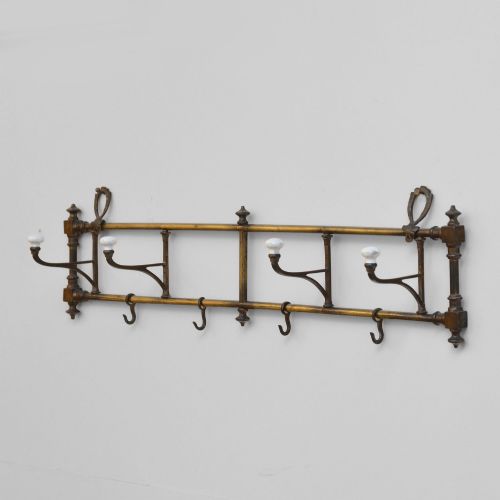
Metalworking techniques defined the functional parts, employing cast brass, wrought iron, and plated metals to shape robust hooks and mounting plates. Many designs incorporated ceramic porcelain centres or glass elements into the hook terminals to prevent snagging fabrics.
Antique Coat Rack Hook Retail Price Guide 2026
Typical asking prices for coat rack hook among the pieces listed under this phrase on Sellingantiques today, from the lower quarter to the upper quarter. They describe what is for sale here now, not the wider market.
Current listings feature materials ranging from cast brass and wrought iron to oak, mahogany, and ceramic, spanning the Victorian period through to the Art Deco era.
Factors of Quality
The distinction between ordinary utility items and superior examples lies in the weight of the metal casting and the crispness of any applied decoration. Better hooks display deep, clean relief work on brass plates and solid, substantial timber backboards secured with appropriate period fixings.
Design ambition separates basic hardware from exceptional pieces, evident in artistic elements such as Aesthetic Movement stylings, Black Forest carvings, or integrated bevelled mirrors. Original matching sets of hardware mounted to contemporary timber indicate higher initial manufacture.
The Antique Coat Rack Hook Glossary
- Backboard
- The timber plank or plaque upon which multiple hooks are mounted for wall attachment. This board distributes the weight of heavy garments across several wall fixings.
- Hat and coat rack
- A combined wall-mounted fixture featuring projecting pegs for coats alongside an upper shelf or rail specifically designed for hats. These units maximised storage space in tight Victorian hallways.
- Hall stand
- A large freestanding item of furniture combining a central mirror, coat hooks, umbrella stands, and sometimes a glove drawer. They greeted visitors in entrance halls.
- Faux bamboo
- A decorative technique popular in the nineteenth century where wood, metal, or ceramic is carved or moulded to imitate segmented bamboo stalks. This style reflected an ongoing fascination with Asian design aesthetics.
Antique Coat Rack Hook: Frequently Asked Questions
How do I hang a heavy wooden coat rack?
Secure the timber backboard directly into wall studs or utilise appropriate heavy-duty wall anchors suitable for the plaster and masonry. Distribute heavy winter garments evenly across the hooks to maintain stability.
Check that the mounting screw gauge matches the original countersunk screw holes in the backboard to prevent splitting the aged timber.
Were these hooks meant for hallways or bedrooms?
Most wall-mounted racks and hall stands originated in entrance halls, reception rooms, and cloakrooms designed for welcoming visitors and storing outdoor garments. Smaller single hooks also served bedrooms and dressing rooms for robes and personal items.
Heavier cast iron variants frequently equipped stables, tack rooms, and domestic back passages for harness gear and wet coats.
How do I clean tarnished brass hooks?
Remove light surface dust with a dry cloth and preserve the aged dark patina if you prefer a traditional historic appearance. Avoid harsh chemical polishes that strip away centuries of oxidation and character from the metal.
Take care to protect surrounding antique timber backboards if applying any metal cleaning agents near the mounting plates.
How do I tell Victorian hooks from Edwardian ones?
Victorian examples often feature heavier cast brass, sometimes paired with ceramic inserts or ebonised oak, reflecting robust industrial output and ornate decorative tastes. Edwardian pieces frequently display lighter construction, simpler geometric lines, or Arts and Crafts influences.
Examining the screw types, casting marks, and timber preparation helps narrow down the manufacturing decade alongside stylistic cues.