



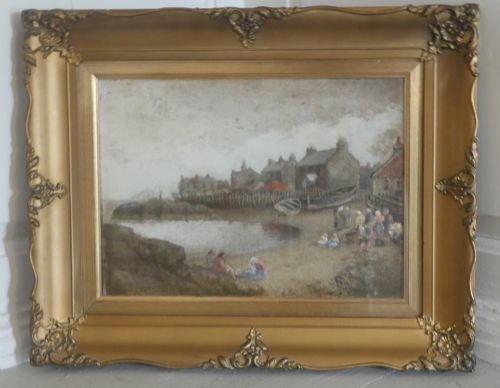
Antique Coastal Seascape Art
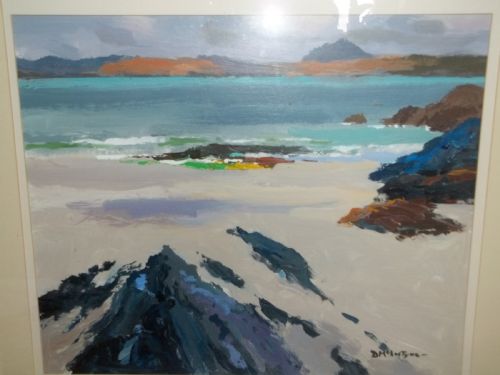
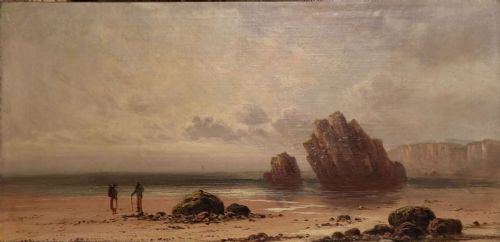
Antique coastal seascape art captures the changing moods of the sea and shore across the nineteenth and twentieth centuries.
Antique Coastal Seascape Art
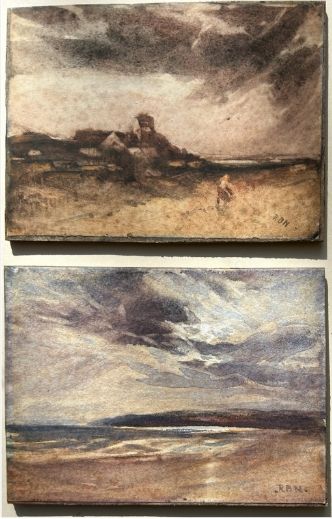
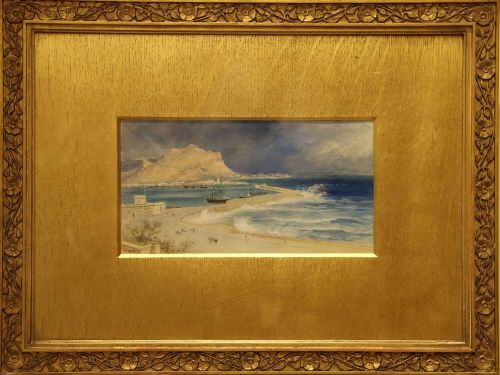
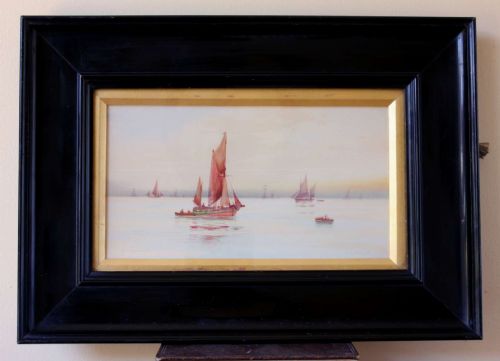
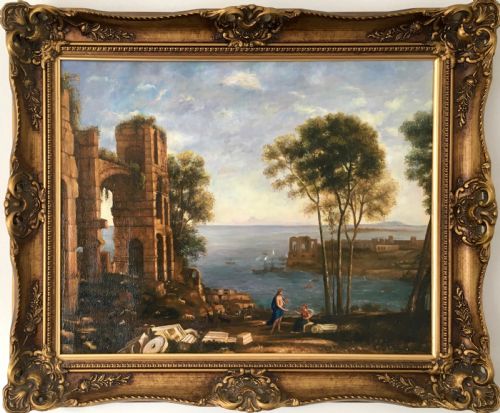
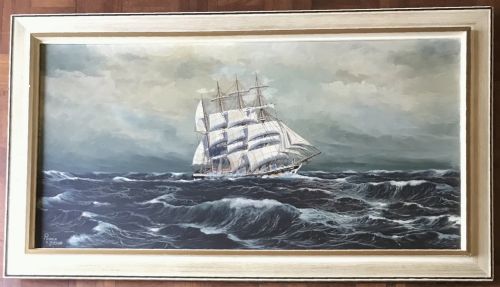
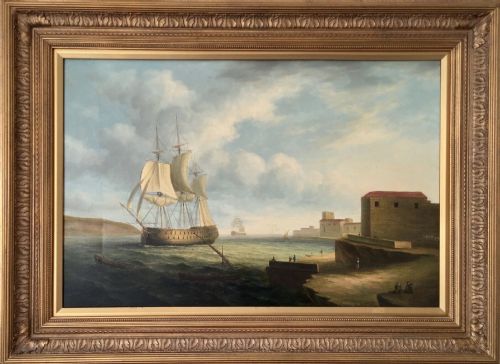
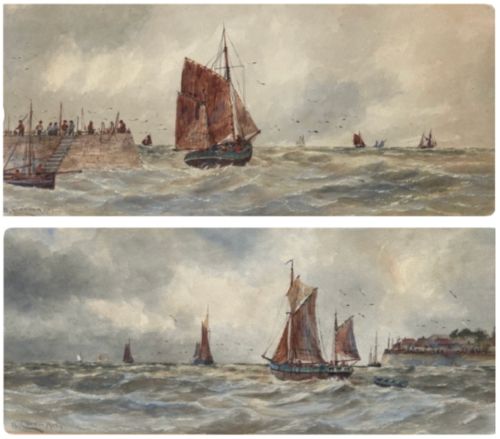
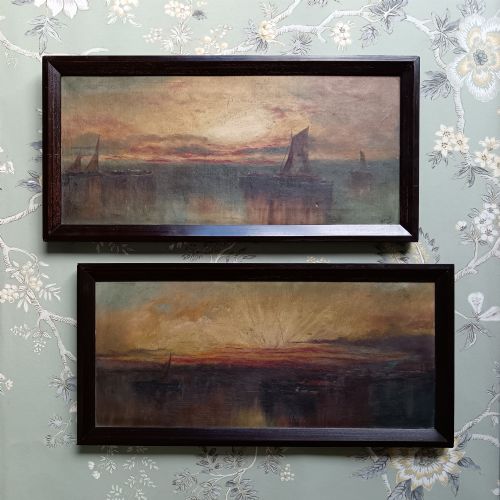
When you search for antique coastal seascape art, you encounter oil paintings, watercolours, and drawings depicting harbours, shipping vessels, and rocky shores. These works record maritime activity and coastal views from periods including the Victorian era, Edwardian years, and the mid twentieth century.
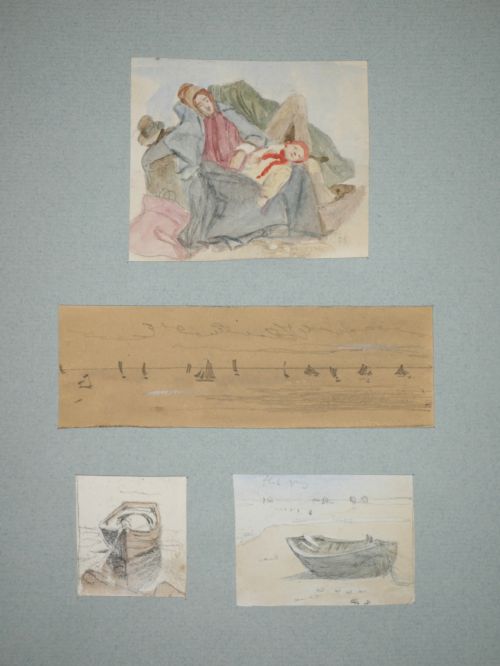
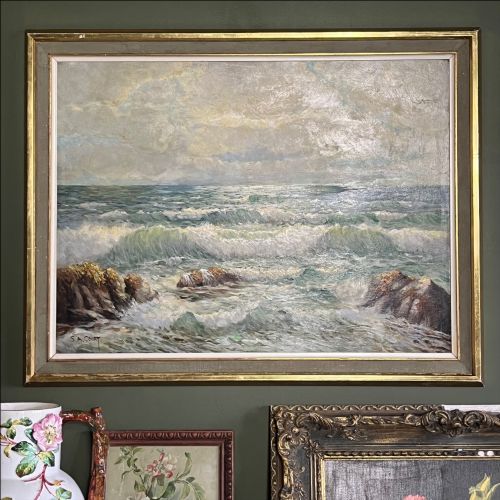
The pieces on this page range from small watercolour sketches on paper to large oil paintings on canvas and panel, often framed in gilt wood. Subjects span specific locations such as St Ives, Whitby, and Valletta Harbour alongside open sea views.
Materials and methods
Artists painted these seascapes using oil paint or watercolour applied to canvas, wood panels, paper, or board. Oil paintings provide rich texture and depth, particularly in depictions of stormy gales and breaking waves.
Listings feature works from the 19th Century, Victorian period, Edwardian era, and the 1950s and 1960s.
Distinctions in quality
Quality in these coastal works rests upon the artist's handling of light, atmosphere, and movement in water. Stronger pieces convey the weight of shipping vessels and the atmospheric conditions of specific locations with notable confidence.
The physical preservation of the pigment, canvas, or paper, together with the condition of the accompanying gilt frame, influences the standing of individual works.
James Hardy·James Orrock·William Cannon·Bonaventura Peeters·Hector Caffieri·Bernard Benedict Hemy·Thomas Creswick·John Wilson Carmichael·Joseph Farquharson·John Moore of Ipswich·William Matthison·William Henry Williamson·John Holland·George Stanfield Walters·Abraham Hulk I·Henry Barlow Carter·William Frederick Settle·Charles D'Oyly
The Antique Coastal Seascape Art Glossary
- Impasto
- Paint applied thickly to a canvas or board so that it stands proud of the surface. This technique creates a textured, three dimensional effect that often renders the movement of breaking waves or rocky shores.
- Gilt wood
- Wood carved and coated with a thin layer of gold leaf or metallic gilt paint. It is commonly found on the period frames enclosing nineteenth century oil paintings.
- Watercolour
- A painting method where fine pigment is suspended in a water soluble binder and applied to paper. It allows for luminous, transparent washes representing sea and sky.
- Maritime art
- Works depicting ships, harbours, naval engagements, and open sea views. The genre encompasses both documentary records of specific vessels and expressive coastal landscapes.
Antique Coastal Seascape Art: Frequently Asked Questions
How do I date an antique seascape painting?
Dating relies on stylistic evidence, signatures, framing, and the specific materials used by the artist. Many works bear dates or signatures directly on the front or reverse.
Period markers such as Victorian clothing styles in harbour scenes or early twentieth century framing methods help narrow the date of creation.
Where were most of these coastal scenes painted?
The works depict coastal locations across Britain and Europe, including Cornish fishing ports, Scottish castles, northern harbours, and Mediterranean ports.
Artists frequently travelled to working fishing towns like St Ives, Whitby, and Scarborough to capture local shipping and daily maritime life.
How should I care for antique watercolours?
Antique watercolours on paper require protection from direct sunlight to prevent the fading of delicate pigments. Framing behind conservation glass helps shield the paper from environmental moisture and pollutants.
Displaying works in rooms with stable temperature and humidity levels preserves the integrity of both the paper and the original mount.
What is the difference between marine art and a seascape?
Marine art primarily focuses on ships, boats, naval battles, and maritime shipping. Seascapes concentrate more broadly on the sea itself, the coastline, and the atmosphere of the shore.
Many antique paintings bridge both categories by featuring fishing vessels operating near rocky cliffs or sandy beaches.