


Antique Coal Scuttle Furniture
These antique coal scuttle furniture pieces combine practical hearth storage with fine cabinetmaking, offering sturdy timber boxes and polished metal buckets for the fireside.
Antique Coal Scuttle Furniture
Antique coal scuttle furniture encompasses domestic hearth vessels and storage cabinets designed to hold solid fuel for open fires. The selection ranges from enclosed wooden boxes to open metal buckets.
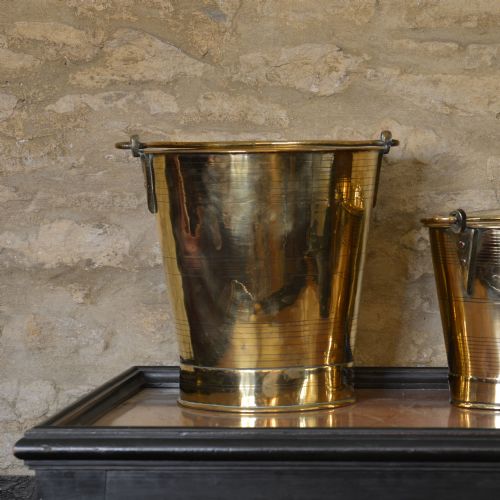
Wooden examples appear frequently as mahogany, oak, and rosewood cabinets, often featuring drop fronts or sloping lids. Metal variations include brass and copper helmet buckets alongside specialised purdoniums.
Origins span the George III period through the Victorian era and into Edwardian times. Makers applied diverse aesthetic approaches, including Anglo-Indian detailing, Victorian Gothic design, and Art Nouveau influences.
How they were made
Joiners and cabinetmakers utilised solid timbers and veneers, incorporating mahogany, oak, rosewood, and satinwood into robust carcass structures. Marquetry inlay and decorative carving frequently embellish the exterior surfaces of these boxes.
Metalworkers hammered and cast copper and brass to form durable helmet scuttles and campaign buckets. Brass mounts, hinges, and handles provide both structural reinforcement and functional hardware.
Some Victorian households disguised their coal storage so convincingly as fine cabinetry that guests might mistake a fuel box for a writing desk.
What varies in quality
Material selection dictates the initial tier of distinction, moving from utilitarian brass mounting on plain wooden boxes to intricate marquetry inlay across exotic timbers like rosewood. Carved detailing on oak and mahogany cabinets reflects the level of labour invested by the maker.
Construction methods determine long-term durability, distinguishing straightforward box assemblies from sophisticated drop-front mechanisms and purdonium cabinets. The refinement of metalworking in the shaping of brass and copper buckets similarly separates standard vessels from finer examples.
The Antique Coal Scuttle Furniture Glossary
- Helmet scuttle
- A traditional metal bucket shaped with a flared rim resembling a helmet for pouring fuel. These vessels are constructed from brass or copper.
- Marquetry inlay
- Decorative patterns created by fitting contrasting wood veneers into a prepared surface. This technique appears on rosewood and mahogany boxes.
- Drop front cabinet
- A piece of furniture featuring a hinged panel that folds forward for access. Such mechanisms conceal fuel compartments within timber cabinets.
Antique Coal Scuttle Furniture: Frequently Asked Questions
What is coal scuttle furniture?
These pieces comprise functional hearth containers and wooden cabinets designed to hold coal for domestic fires. They combine metal buckets with timber boxes.
Craftsmen built them across the eighteenth and nineteenth centuries using materials like brass, copper, mahogany, and oak.
How were these cabinets used?
Households placed them beside fireplaces to store solid fuel conveniently within the living space. Enclosed wooden boxes kept fuel tidy while metal buckets allowed direct transport.
Many incorporated drop fronts or specialised internal compartments to hold shovels and keep dust contained.
Which woods appear most often?
Mahogany, oak, and rosewood form the primary timber bodies for enclosed coal boxes and purdonium cabinets. Satinwood and marquetry inlay also feature on decorative examples.
Cabinetmakers matched these woods to prevailing domestic styles from the George III era through the Victorian period.
How do metal and wood versions differ?
Metal versions utilise solid brass or copper to form open helmet buckets and campaign vessels. Wooden versions take the form of cabinets with drop fronts or lifting lids.
Metal buckets prioritise open transport and polished durability, whereas wooden cabinets match surrounding parlour furniture.