

Antique Cluster Necklace
An antique cluster necklace brings together central gems and surrounding stones in gold, silver and platinum across Victorian, Edwardian and later periods.
Antique Cluster Necklace
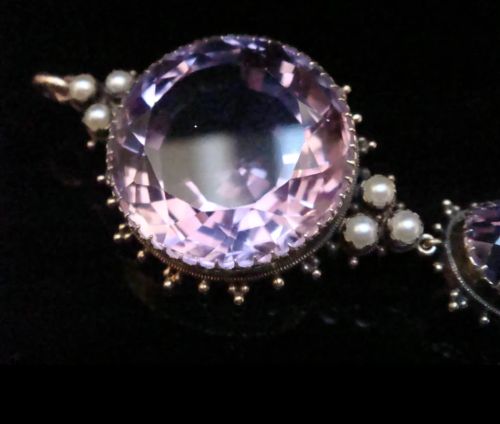
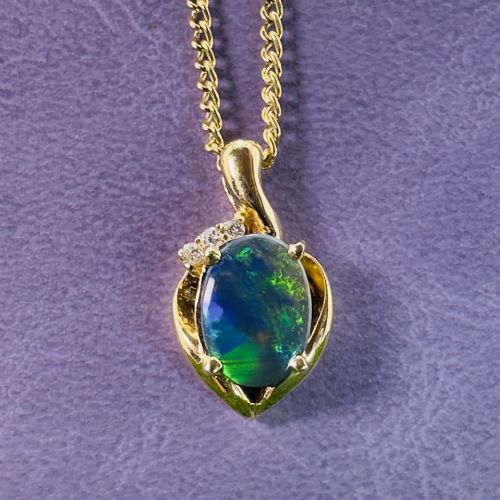
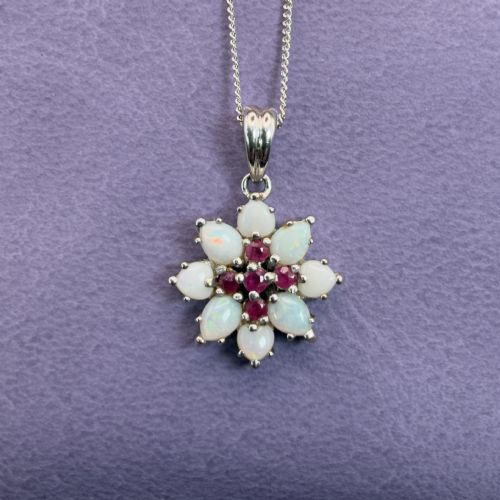
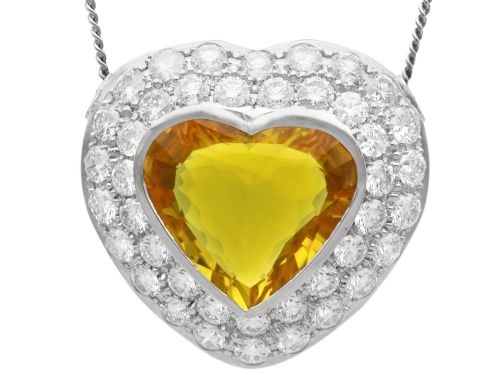
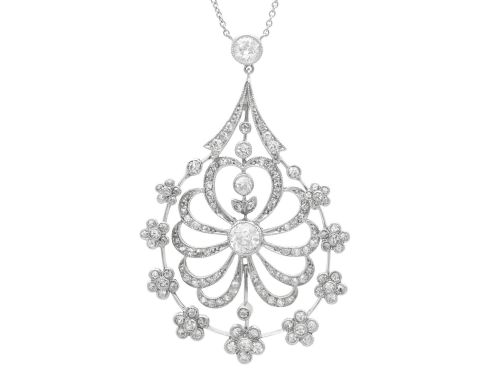
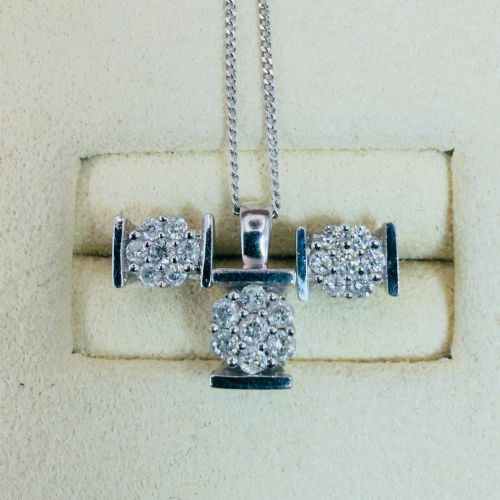
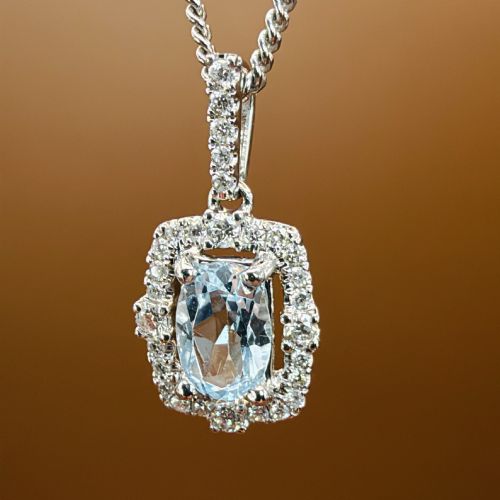
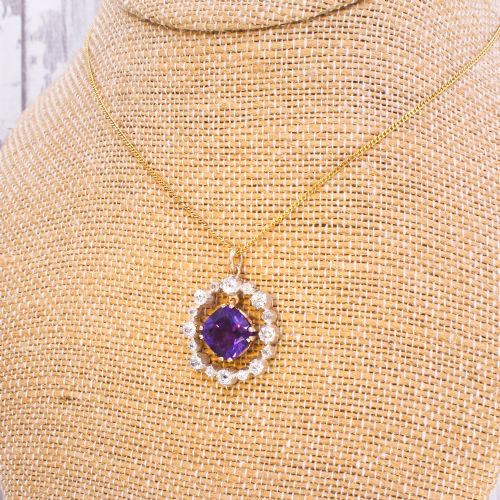
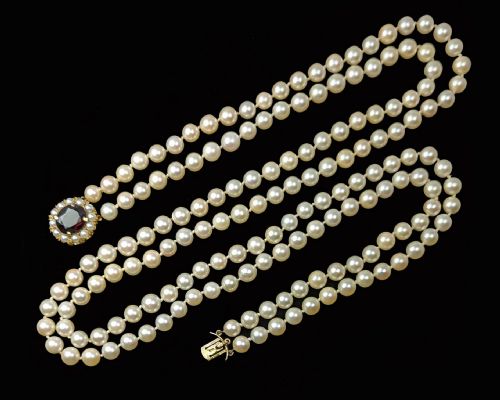
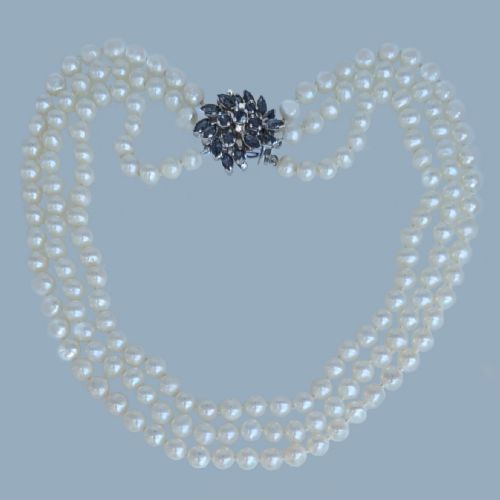
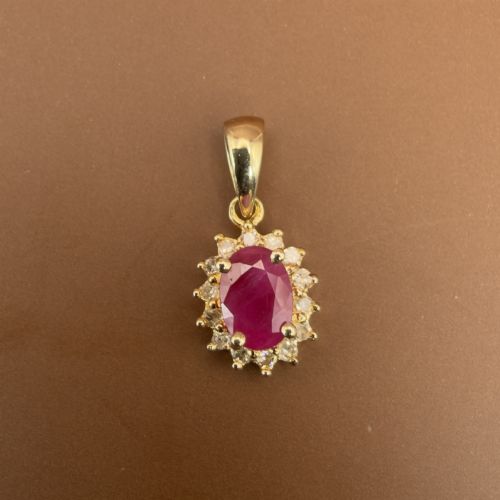
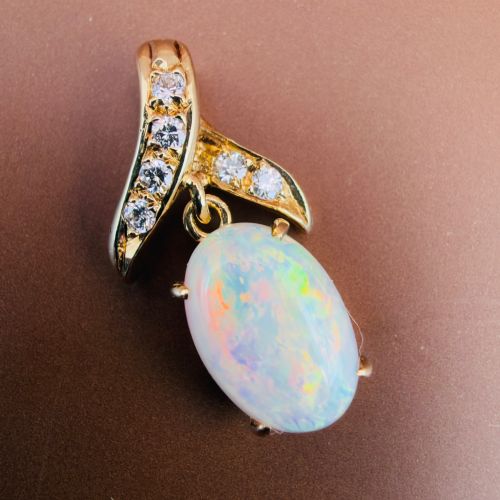
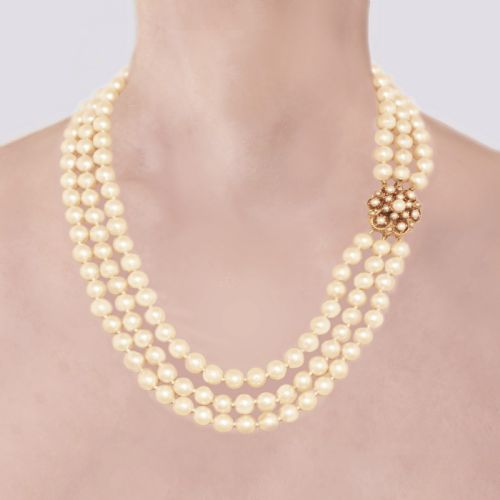
An antique cluster necklace gathers gemstones in a tight formation, often with a central diamond, ruby, sapphire, amethyst or pearl encircled by smaller stones. This search phrase encompasses pendants, fringe necklaces and lavaliers designed to sit near the neckline.
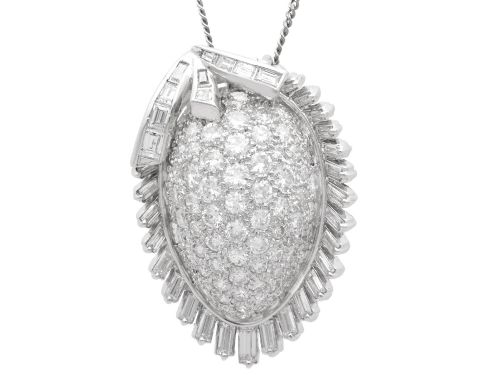
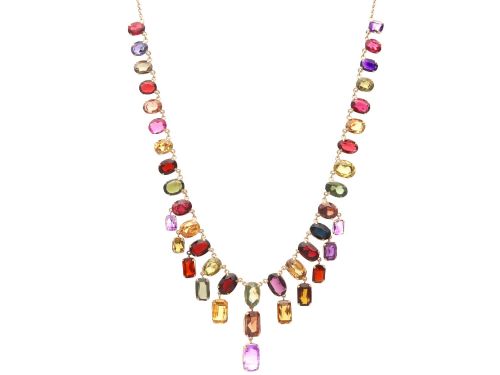
Victorian and Edwardian examples dominate the offerings, alongside later pieces from the Art Deco, Arts & Crafts and Mid-Century eras. Buyers encounter everything from delicate seed pearl hearts to substantial diamond starbursts and gemstone fringes.
Materials and construction
Goldsmiths and jewellers utilised precious metals ranging from 9ct and 15ct gold to platinum and silver, frequently combining metals to present diamonds against silver whilst keeping the reverse in gold.
Settings rely on traditional claw, bezel and collet techniques to secure central clusters, paired with fringe drops, fine chains or split rings suited to period jewellerry.
Antique Cluster Necklace Retail Price Guide 2026
Typical asking prices for cluster necklace among the pieces listed under this phrase on Sellingantiques today, from the lower quarter to the upper quarter. They describe what is for sale here now, not the wider market.
One cheerful Edwardian piece takes the form of a tiny gold witches heart, ready to catch an admirer off guard.
Distinctions in craftsmanship
The standard of an antique cluster necklace rests upon the harmony of the stone grouping, the precision of the metalwork and the integrity of the original settings.
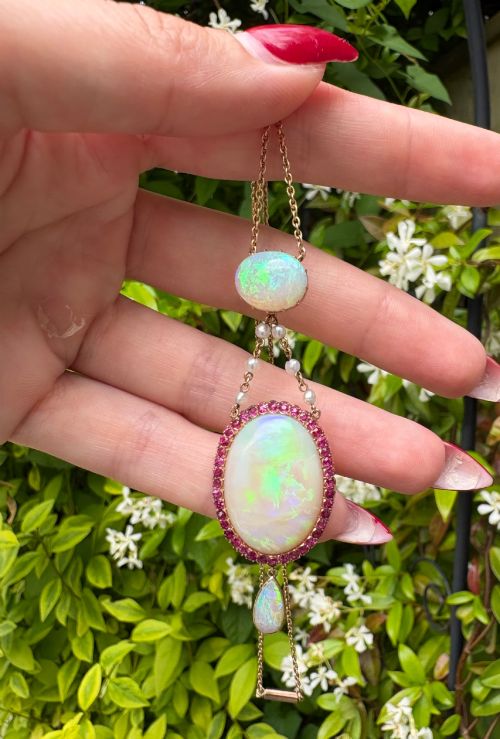
Pieces bearing identifiable maker attribution or integrated gem pairings like Burma rubies and natural saltwater pearls demonstrate elevated workshop skill.
Dorrie Nossiter·Hirsch & Oppenheimer
The Antique Cluster Necklace Glossary
- Cluster
- A stone arrangement where a prominent central gem is encircled by a border of smaller stones. This format maximises visual presence and light reflection.
- Fringe necklace
- A necklace design featuring hanging drops or pendants suspended at intervals along the lower edge of the chain. These articulated drops move freely when worn.
- Lavalier
- A drop pendant style popular during the Edwardian era, typically featuring a small main stone with one or more suspended secondary elements. They hang delicately from a fine neck chain.
Antique Cluster Necklace: Frequently Asked Questions
What periods do these necklaces come from?
The listings span the Victorian and Edwardian eras, through the 1920s and 1930s Art Deco period, into mid-century designs up to the 1960s.
Victorian and Edwardian pieces frequently feature seed pearls, garnets and old-cut diamonds, while later decades introduce platinum settings and structured gemstone clusters.
How do I care for an antique necklace?
Handle these pieces with care, avoiding ultrasonic cleaners which can damage softer organic gems like pearls, turquoise and opals.
Store each necklace flat in a lined box or pouch to prevent the delicate chains and pendant drops from tangling or scratching.
Are the pearls natural?
Certain pieces incorporate natural saltwater pearls or seed pearls, particularly those originating from the late nineteenth and early twentieth centuries.
Descriptions specify natural pearls where recorded, distinguishing them from later cultured or imitation varieties.
Can these pendants be worn as brooches?
Several listed items function as both pendants and brooches, featuring integrated pin mechanisms alongside suspension loops on the reverse.
This dual format was common in the Victorian period, allowing the wearer to pin the cluster directly to garments or suspend it from a chain.