
Antique Cluster Jewellery
Antique cluster jewellery brings together central gems framed by concentric surrounds, creating a distinct focal presence designed to catch the light.
Antique Cluster Jewellery
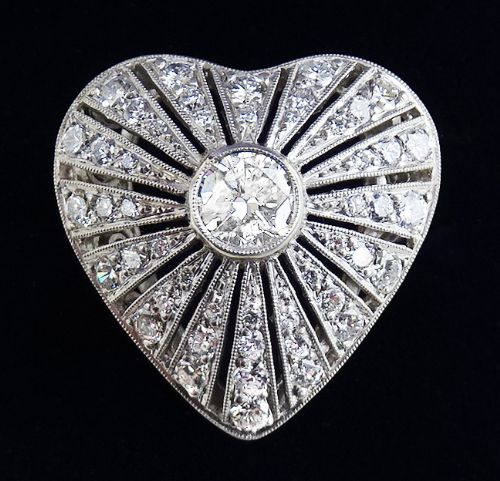
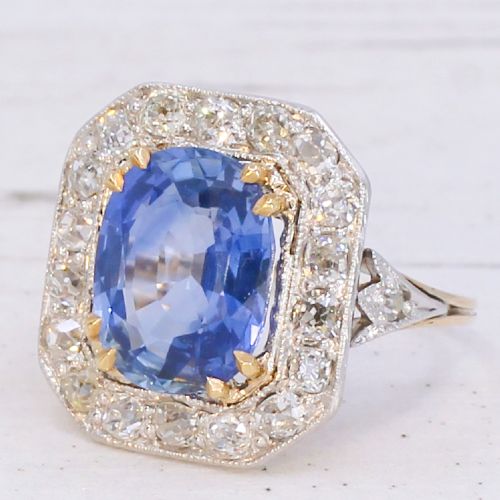
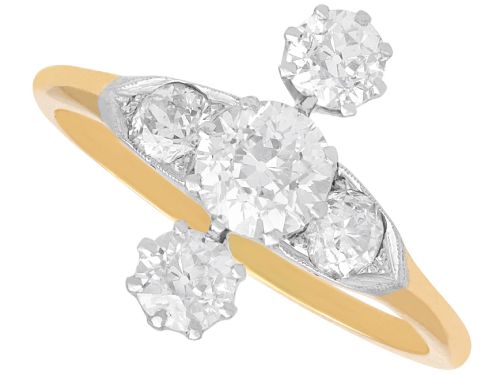
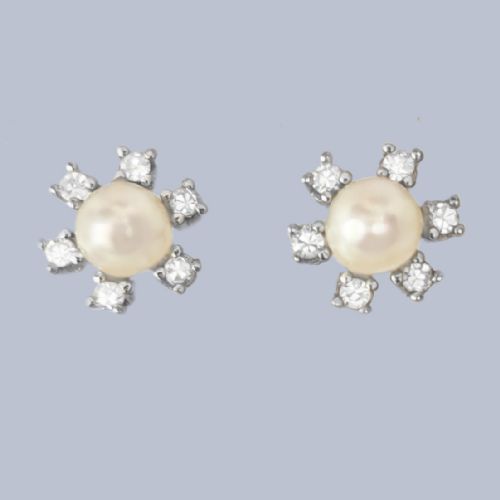
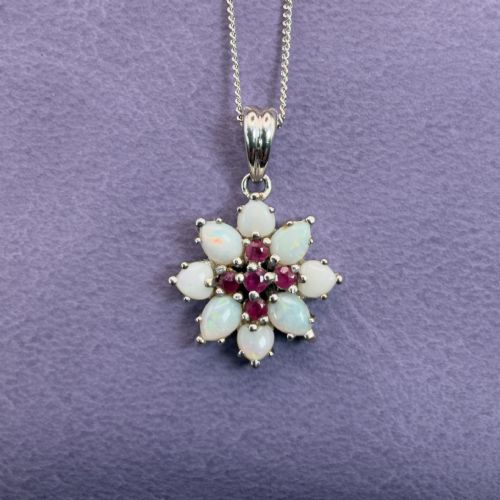
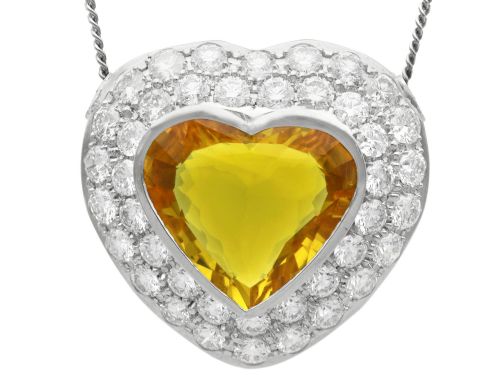
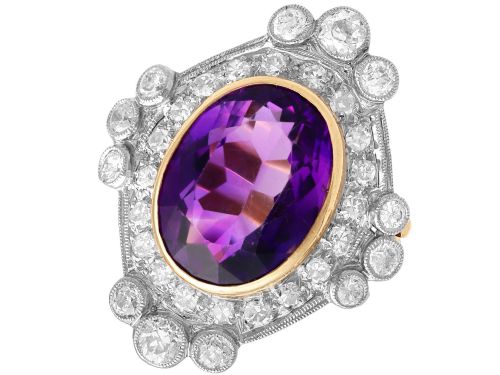
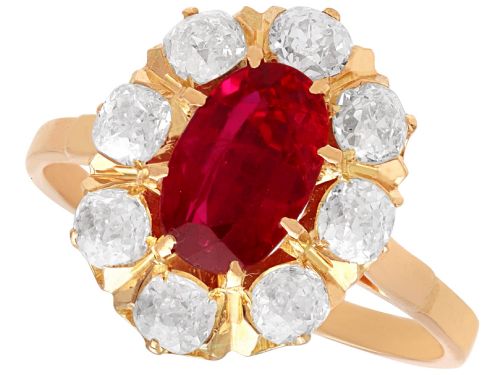
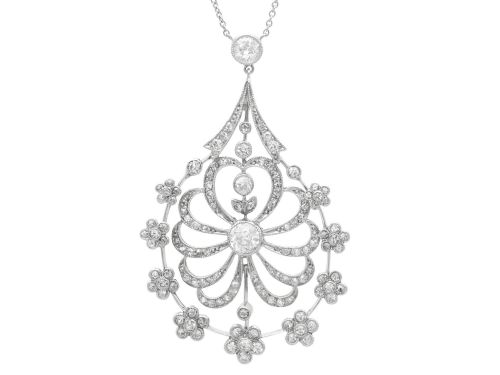
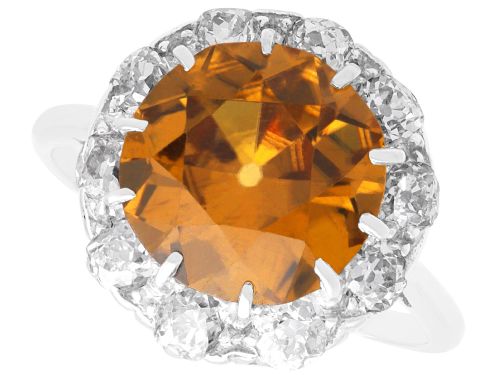
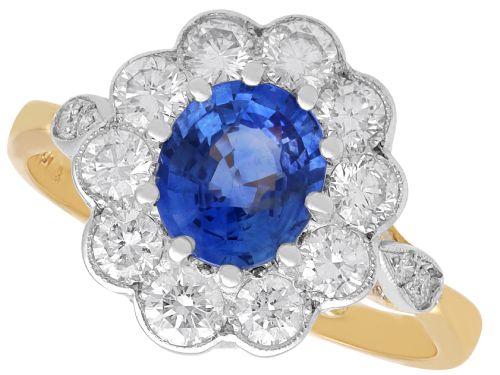
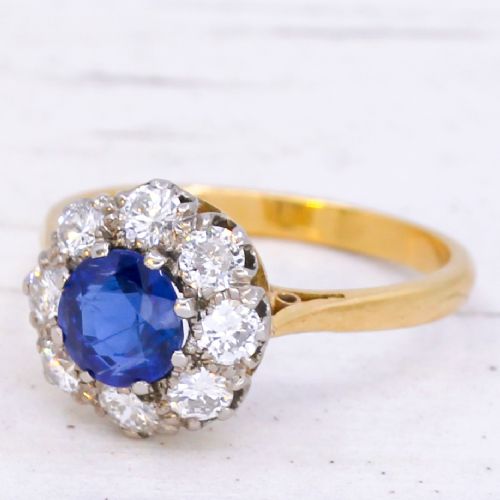
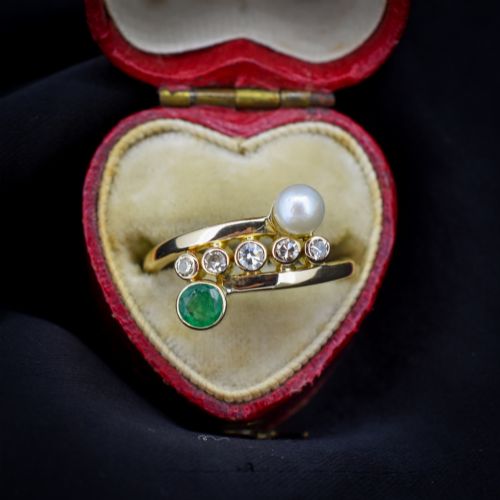
Antique cluster jewellery centres on a primary gemstone such as diamond, sapphire, ruby, emerald, zircon, amethyst, opal, garnet, or pearl, encircled by smaller accent stones. Rings dominate the selection, including dress rings, cocktail rings, boat rings, tiara rings, twist rings, and daisy rings, alongside pendants, drop earrings, post and clip studs, brooches, pins, necklaces, and bangles.
The pieces span multiple eras including the Georgian, Victorian, Edwardian, and Belle Epoque periods, stretching through Art Deco designs into Mid-Century and 1960s Modern styles. Makers worked within established historical traditions, resulting in pieces shaped by the aesthetic preferences of the nineteenth and twentieth centuries.
Yellow gold, rose gold, white gold, platinum, and silver serve as the foundational metals for setting these stones. Many examples originate from French workshops or British assay offices, displaying hallmarks that record the metal purity and production location.
Materials and Technique
Goldsmiths utilised precious metals like platinum and 18ct gold, alongside 14ct and 9ct variations, to construct durable settings capable of securing multiple gemstones. Stones including old cut diamonds, sapphires, rubies, and emeralds were hand-set into claw, bezel, or flush mounts tailored to the geometric or floral layout of the cluster.
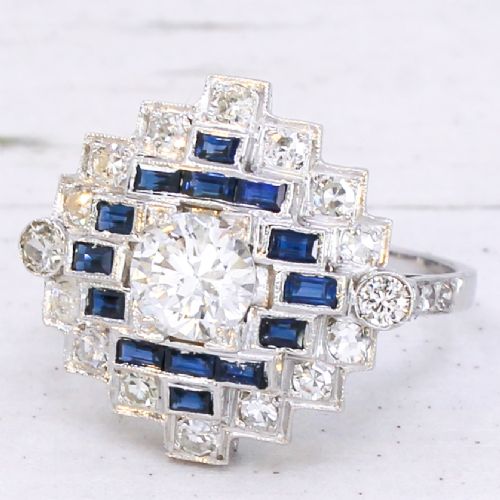
Art Deco examples frequently paired platinum with calibration-cut gems to achieve sharp lines and symmetrical patterns, while earlier Victorian and Edwardian pieces incorporated yellow gold and rose gold with softer organic motifs. Drop earrings, fringe necklaces, and multi-stone rings required precise articulation and soldering to join individual elements securely.
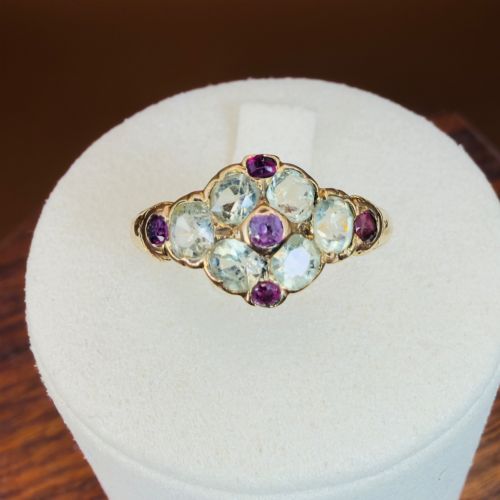
Suffragette rings quietly declared allegiance to a political movement using purple, white, and green stones long before modern voting rights arrived.
Evaluating the Pieces
Quality rests in the matching, proportion, and optical performance of the central stone relative to its surround. Superior examples display harmonious colour saturation, balanced stone sizing, and careful integration where the metalwork enhances rather than overpowers the gems.
The execution of the setting work and the preservation of original claw integrity distinguish finer workshops from standard production. Pieces that retain crisp hallmarks, undamaged gemstone facets, and structurally sound mounts represent the upper tier of surviving examples.
The Antique Cluster Jewellery Glossary
- Cluster ring
- A ring featuring a prominent central gemstone surrounded by a halo of smaller accent stones. This arrangement maximises surface brilliance and visual impact.
- Old cut diamond
- A hand-faceted diamond cut before modern automated standards were established in the twentieth century. These stones typically feature smaller tables and deeper pavilions.
- Platinum
- A dense, durable white metal utilised in fine jewellery manufacture, particularly during the Edwardian and Art Deco periods. It allows for delicate yet secure claw settings.
- Hallmark
- An official stamp applied to precious metals indicating purity, origin, and assay office. These marks assist in dating the piece.
- Ballerina ring
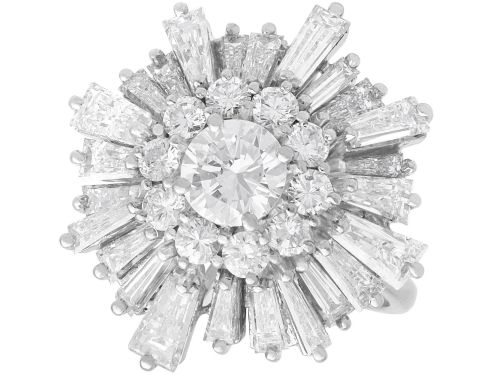
- A specific cluster style featuring tapered baguette-cut diamonds radiating outward like a dancer's tutu. The design creates a dynamic layered silhouette.
Antique Cluster Jewellery: Frequently Asked Questions
How should I wear an antique cluster ring?
These rings suit daily wear provided they receive appropriate care during manual tasks. Matching the metal colour to other accessories helps create a cohesive look.
Removing the piece prior to heavy lifting or swimming protects the older claw settings and softer gemstones from impact damage.
What periods do these pieces cover?
The selection includes items from the Georgian and Victorian eras, progressing through Edwardian, Belle Epoque, and Art Deco phases. Mid-century and 1960s modern designs also appear within the collection.
Each period utilises distinct metal combinations and stone-cutting techniques that define its visual character.
How do I care for antique gemstone jewellery?
Gentle cleaning with warm water, mild soap, and a soft brush removes accumulated oils without harming the metal or stones. Professional inspection ensures the security of older settings.
Store each piece separately in a lined box to prevent scratching between harder diamonds and softer gems like opals or pearls.
How can I tell a Victorian cluster from Art Deco?
Victorian examples frequently employ yellow gold or rose gold with warm-toned garnets, rubies, or old cut diamonds arranged in floral or boat motifs. Art Deco pieces favour platinum or white gold paired with geometric layouts and calibrated emeralds or sapphires.
Examining the metal choice and overall symmetry provides clear indicators of the manufacturing era.