



Antique Clock in Box
These antique clock in box pieces combine fine timekeeping with fitted timber housings, built for travel, trade, and marine navigation.
Antique Clock in Box
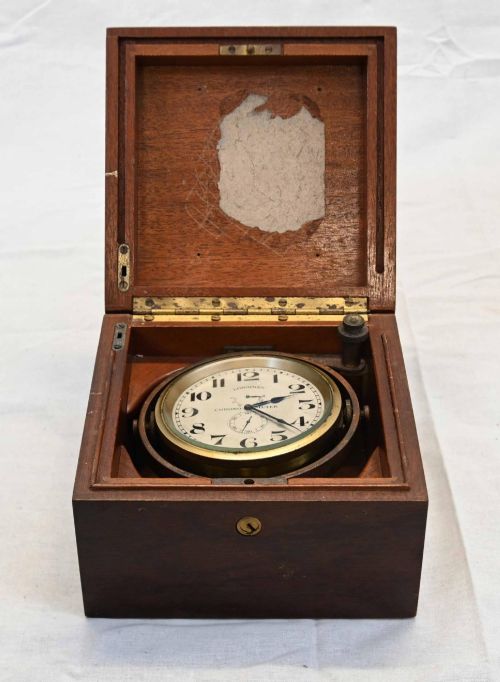
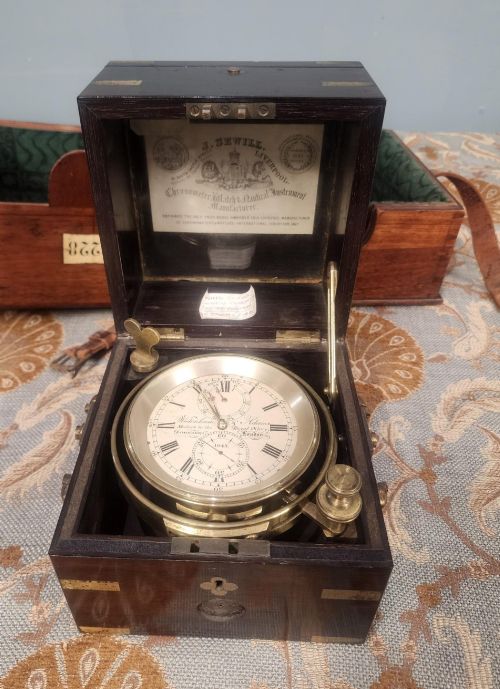
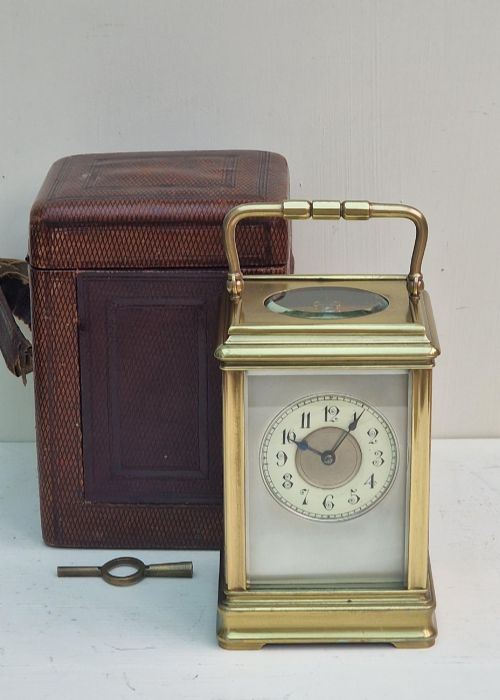
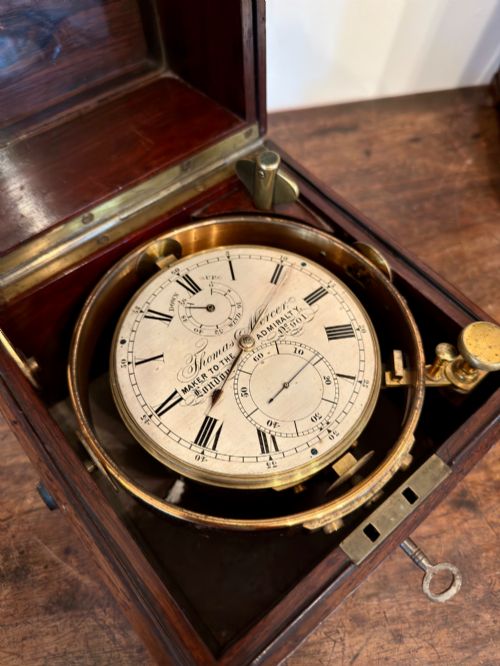
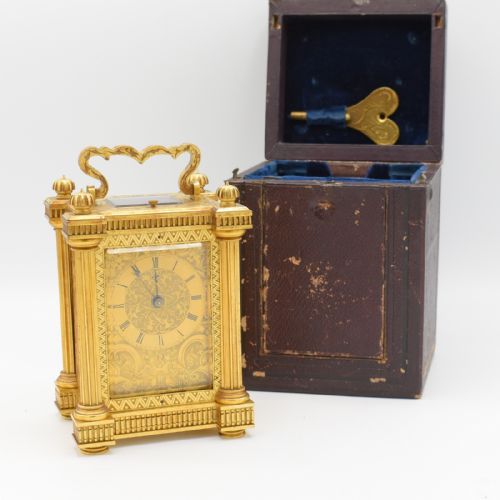
When searching for an antique clock in box, you encounter portable timepieces housed in fitted timber cases, brass housings, or protective leather outer covers. The selection ranges from nineteenth-century French carriage clocks complete with original keys and paperwork to marine chronometers built by makers such as Thomas Mercer and James McCabe.
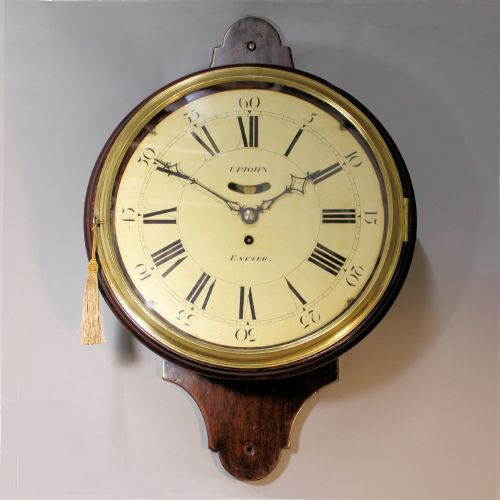
You are most likely to meet Victorian and later examples, including pocket watch stands, signal box clocks, and travel clocks designed for portability. These objects cross several styles and forms, from Georgian fusee wall clocks to Edwardian carriage clocks and burr yew desktop pieces.
Materials and Construction
Maker workshops utilised robust timbers such as mahogany, pine, and burr yew to construct outer cases, protecting delicate mechanisms during transit. Gilt brass, silvered metal, and glass form the dial surrounds and visible case panels, while leather lines protective outer cases.
Movements incorporate fusee and verge escapements, enamel dials, and intricate gear trains driven by brass and steel. Makers added gilt bronze gorge cases and Guilloche enamel finishes to elevate the decorative appeal of travel and carriage timepieces.
Antique Clock in Box Retail Price Guide 2026
Typical asking prices for clock in box among the pieces listed under this phrase on Sellingantiques today, from the lower quarter to the upper quarter. They describe what is for sale here now, not the wider market.
Signal box clocks worked hard in railway offices before retiring into sturdy wooden housings.
Markers of Quality
The distinction between standard pieces and top-tier examples lies in the precision of the movement, the presence of original paperwork, and matching keys. Marine chronometers by noted makers command attention through complex two-day movements and documented provenance.
Superior execution shows in the refinement of the timber housing, whether a burr yew desktop box or a gilt bronze gorge case. The survival of the original fitted box and associated accessories elevates the integrity of the piece.
Thomas Mercer·James McCabe·Litherland Davies Of Liverpool·John Thwaites·Upjohn Of Exeter·Howell & James London·L Epee·Drocourt
The Antique Clock in Box Glossary
- Fusee
- A conical pulley used in older clocks to maintain even force on the gear train as the mainspring unwinds. This mechanism ensures consistent timekeeping across the power reserve.
- Verge escapement
- An early mechanical regulator controlling the release of the gear train. It creates the characteristic ticking motion in traditional wall clocks.
- Marine chronometer
- A highly accurate portable timekeeper used for navigation at sea. These instruments are housed in gimballed boxes to keep the dial level aboard a rolling ship.
- Guilloche enamel
- Decorative metalwork featuring intricate, repetitive patterns beneath a translucent enamel coating. This technique appears on nineteenth and twentieth-century travel watch stands.
- Grand Sonnerie
- A striking mechanism that chimes both the hours and the quarters automatically. It represents a high level of horological complexity in carriage clocks.
Antique Clock in Box: Frequently Asked Questions
What is an antique clock in box?
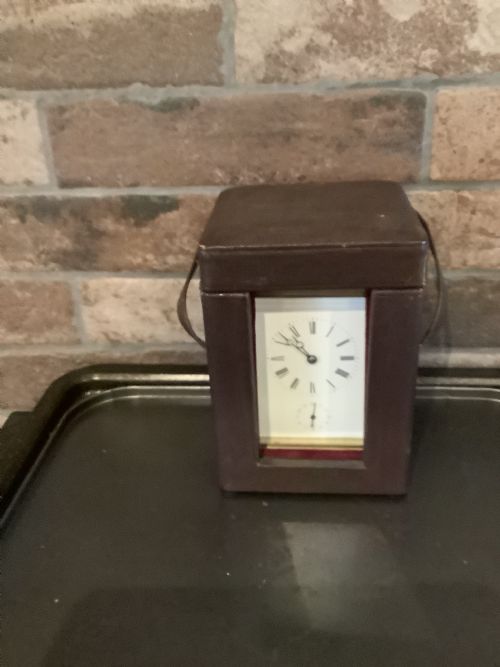
These pieces comprise portable or specialised timepieces paired with dedicated protective housings, ranging from marine chronometers in wooden chests to carriage clocks in leather-bound travelling cases.
They reflect an era when precision timekeeping needed to survive transport across land and sea.
How do I identify a marine chronometer?
Marine chronometers are housed in heavy wooden boxes, often featuring brass carrying handles and gimbal rings that keep the clock face level.
Their dials are typically marked with power reserve indicators and maker signatures.
Were carriage clocks meant for travel?
French carriage clocks were originally built for officers and travellers during the nineteenth century, utilising robust brass frames and glass panels.
They frequently include original outer leather or wooden boxes designed to absorb travel shocks.
How should I care for a boxed antique clock?
Keep the timber case away from direct sunlight and dramatic humidity changes to protect the wood and veneer finish.
Consult a professional horologist for periodic cleaning and oiling of the internal mechanical movement.