
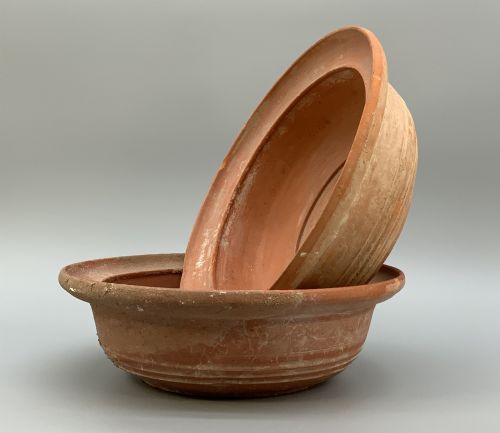


Antique Clay Vessel
An antique clay vessel carries the weight of ancient utility, offering rugged texture and historical depth to any room.
Antique Clay Vessel
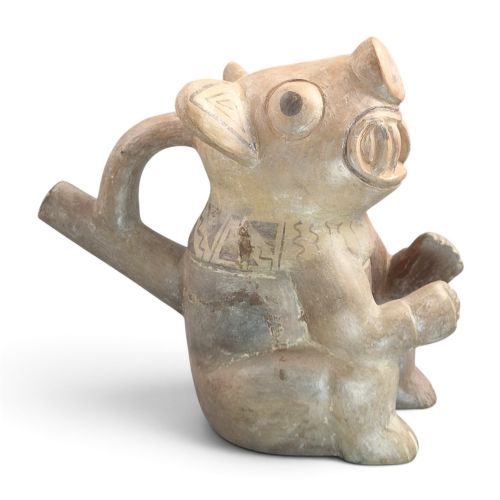
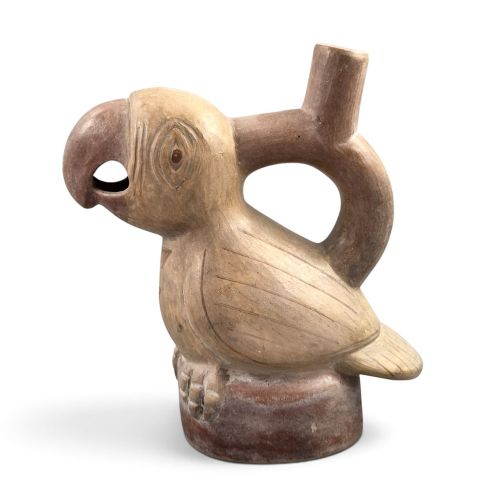
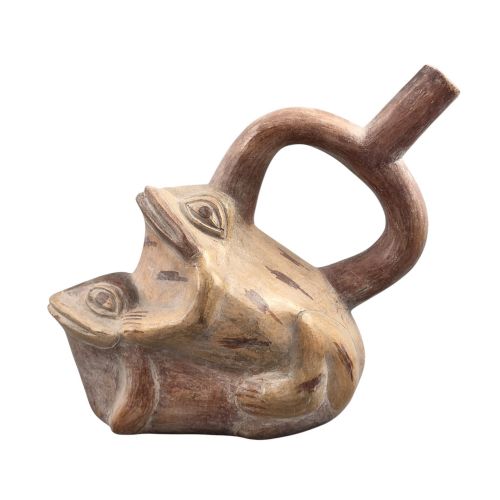
An antique clay vessel encompasses practical storage jars, garden planters, and ancient ceremonial pieces derived from global traditions. When searching for an antique clay vessel, buyers encounter everything from utilitarian Mediterranean olive jars to early Chinese pottery bowls and Pre-Columbian ceramic figures.
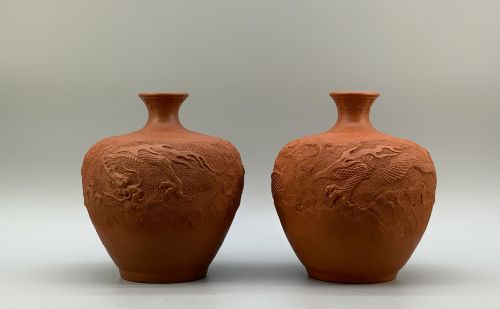
The selection ranges widely across centuries, featuring rustic nineteenth-century terracotta pieces alongside far older antiquities from early Greece and Han Dynasty tombs. Forms vary from simple garden pots and cooking dishes to double spouted teapots and ornate Japanese dragon and phoenix vases.
Origin and purpose dictate the character of each piece, balancing functional domestic storage against decorative or ritual use. Buyers meet items finished in lime wash or painted surfaces, reflecting the distinct folk art traditions of their makers.
How they were made
Makers utilised basic earthen materials such as terracotta, red clay, and stoneware, shaping them by hand or on early wheels. Many utilitarian pieces received simple smoothing or basic turning before drying and firing in traditional kilns.
Surface treatments included natural glazes, painted finishes, and protective lime wash applied to seal porous earthenware. Structural additions such as wrought iron elements appear on specific forms, while decorative motifs were carved or applied in relief.
Listings feature materials spanning terracotta, stoneware, and glazed clay, alongside styles from Edwardian folk pottery to Pre-Columbian traditions.
What varies in quality
The integrity of the fired body and the survival of original surface treatments set finer examples apart from heavily weathered utility pieces. Subtle differences in potting skill, symmetry, and the deliberate application of slips or glazes distinguish workshop production.
Provenance and cultural significance heavily influence desirability, particularly among ancient antiquities and signed or documented folk pottery. The balance between untouched historical patination and structural preservation defines the upper tier of surviving vessels.
The Antique Clay Vessel Glossary
- Terracotta
- A porous, unglazed or lightly glazed fired red clay used extensively for utilitarian storage jars and garden planters. It develops a distinctive weathered patina over time.
- Earthenware
- Pottery fired at lower temperatures, remaining porous unless glazed. This material forms the basis of most traditional folk pottery and ancient vessels.
- Stoneware
- A dense, hard ceramic fired at higher temperatures until vitrified, making it impermeable to liquids without requiring a glaze. It provides superior durability for cooking dishes and storage.
- Pre-Columbian
- Pertaining to the cultures and civilizations of the Americas before the arrival of Christopher Columbus in fifteen ninety-two. Ceramic artefacts from this era often include ritual vessels and whistles.
- Amphora
- A tall ancient storage jar with two handles and a narrow neck, traditionally used for transporting and storing oil or wine.
Antique Clay Vessel: Frequently Asked Questions
How were antique oil jars used?
Large terracotta oil jars served primarily for the bulk storage and transport of olive oil, wine, and grain across Mediterranean households and trade routes.
Their thick walls helped regulate internal temperatures, keeping provisions cool in warm climates over extended periods.
How do I care for terracotta vessels?
Keep antique terracotta indoors during freezing weather to prevent trapped moisture from expanding and cracking the porous clay body.
Dust them gently with a dry cloth and avoid harsh chemical cleaners that might strip historical surface patinas and lime wash.
Are ancient pottery bowls waterproof?
Many ancient earthenware and terracotta bowls remain porous because they were fired at lower temperatures without modern vitrification.
Display them as dry decorative objects rather than using them to hold water or fresh flowers for long periods.
How do I identify a Han Dynasty vessel?
Han Dynasty red pottery pieces typically exhibit specific archaic vessel forms, such as low basins or ritual urns shaped over two thousand years ago.
They carry the distinct mineral encrustations and surface wear characteristic of burial pottery recovered from early Chinese tombs.