


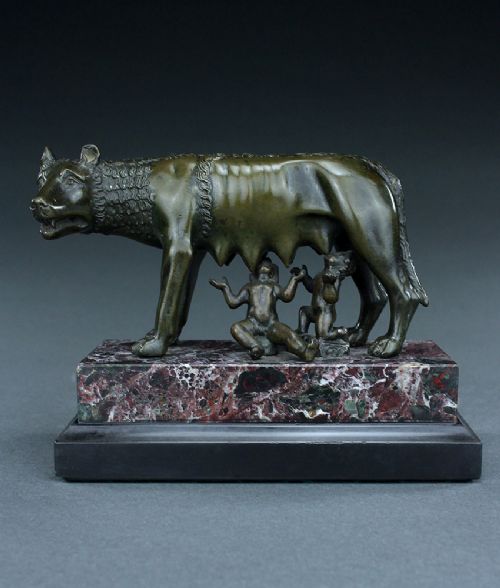
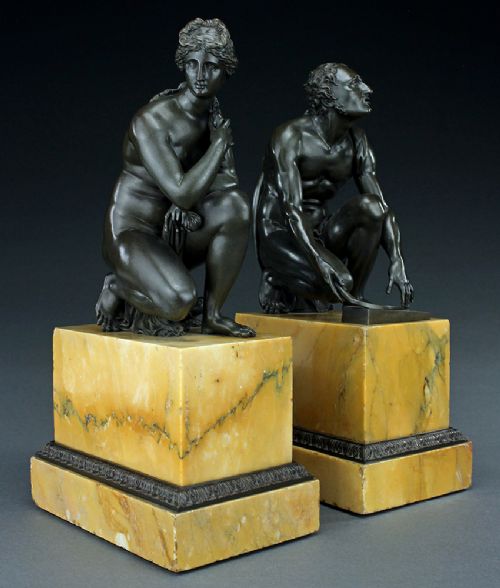
Antique Classical Sculpture Base
An antique classical sculpture base provides the architectural footing that elevates bronze figures and marble busts from tabletop objects into commanding interior statements.

Antique Classical Sculpture Base
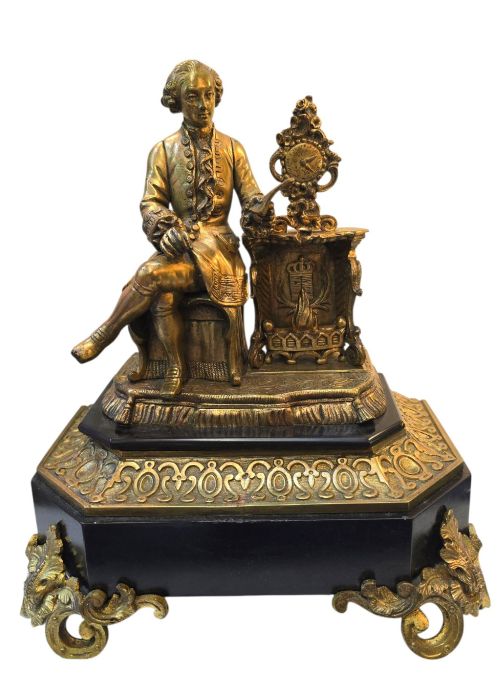
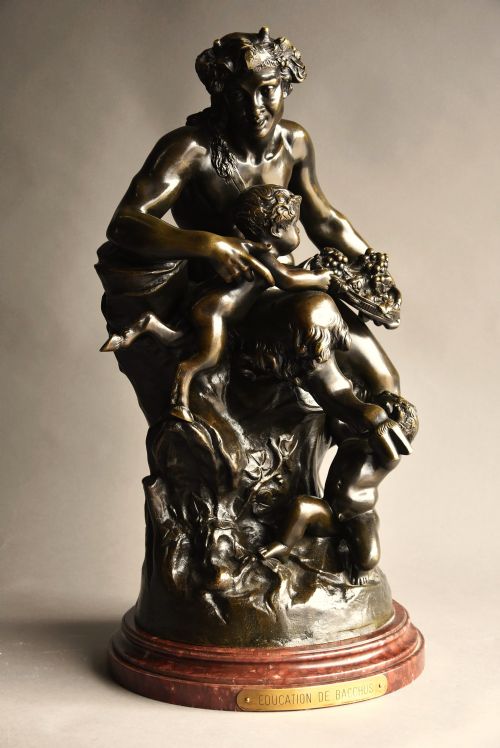
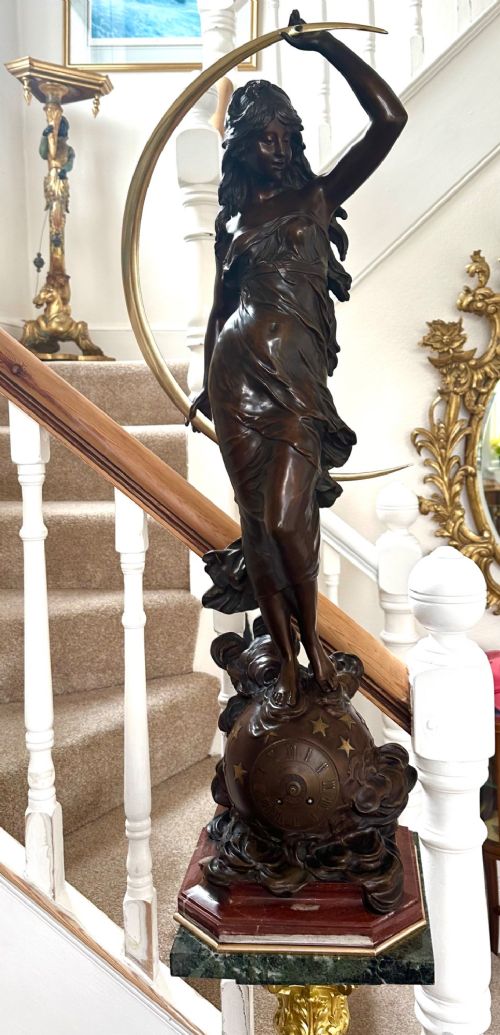
An antique classical sculpture base encompasses pedestals, columns, and integral plinths designed to support figural bronzes, marble busts, and architectural antiques. These pieces emerge predominantly from nineteenth-century production, spanning Grand Tour souvenirs to French neoclassical and Art Deco works.
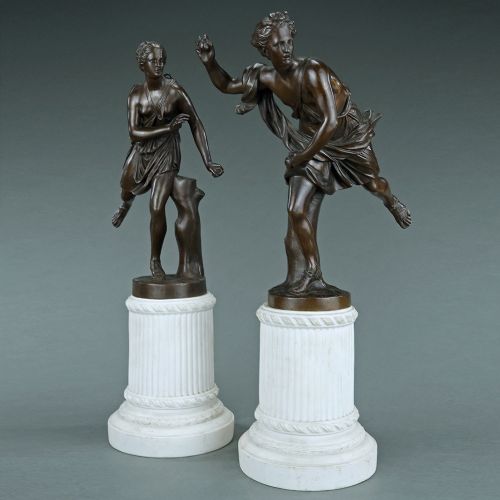
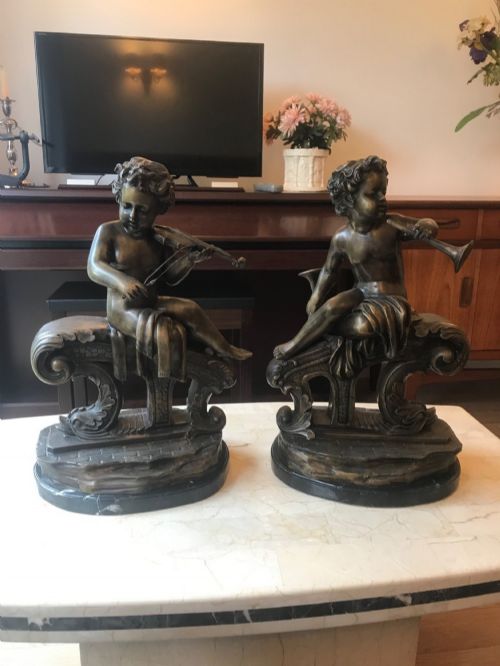
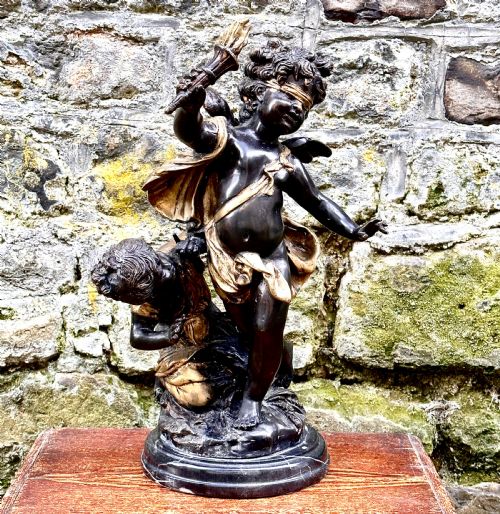
The objects take the form of dedicated statuary pedestals, marble plinths attached directly to bronze figures, and column pedestals in marble or wood. Many items reflect classical revival aesthetics, drawing inspiration from ancient Roman and Greek prototypes.
Buyers encounter structural elements intended either to elevate a standalone statue within a room or functional mounts that form part of a bronze sculpture itself. These pieces serve as physical foundations that complete the display of figural art.
Materials and construction
Makers construct these foundations using natural stone and cast metal, pairing marble, Siena marble, and fossil marble with patinated bronze, gilt bronze, or ormolu. Wood and cast stone appear alongside metal and stone elements to form socles and architectural pedestals.
Foundries utilise lost-wax casting for bronze figures and their integral bases, while stone pedestals involve manual carving and turning. Cold paint and patination finishes are applied to metallic surfaces to achieve specific tonal depths.
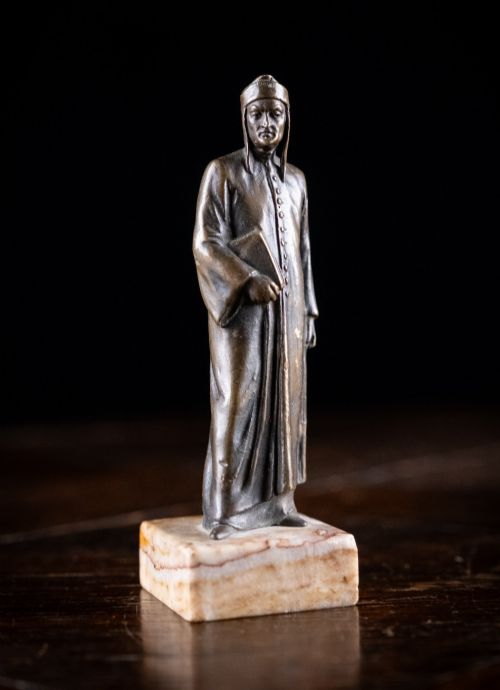
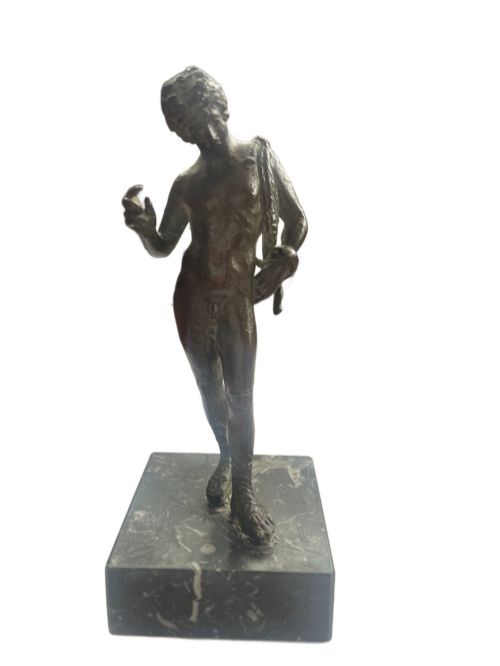
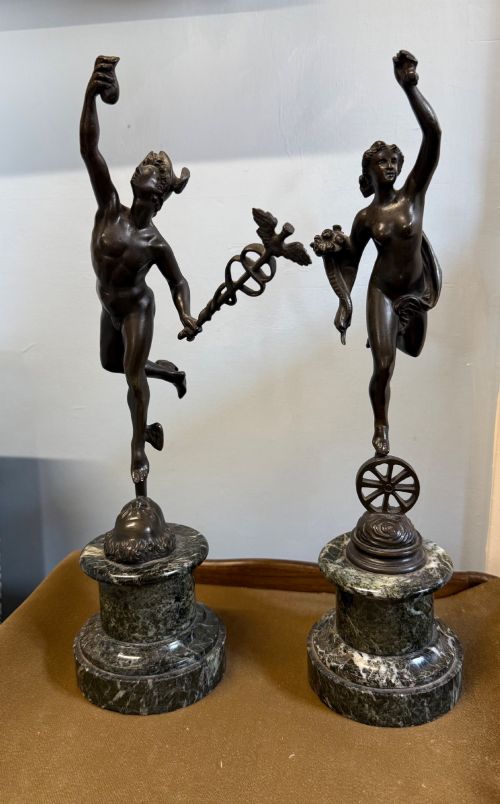
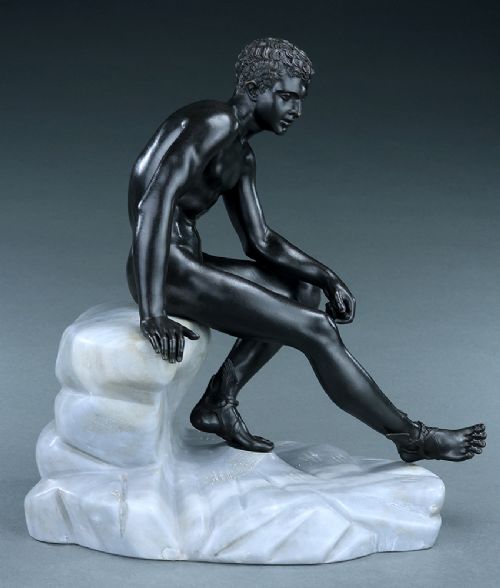
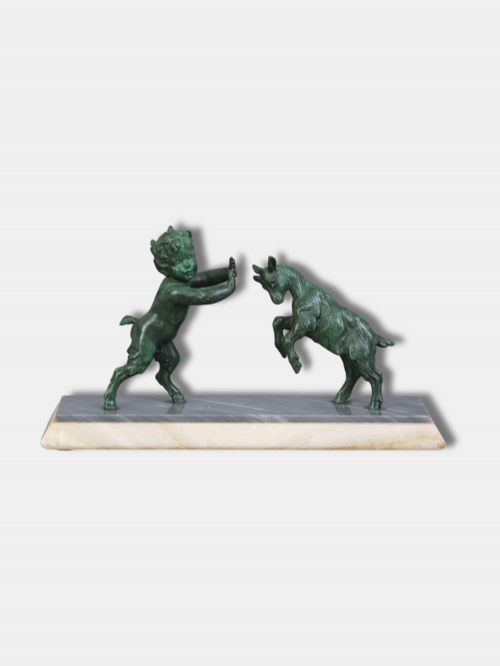
Plinths and columns combine distinct geological specimens, mounting bronze studies upon contrasting white, fossiliferous, or yellow marble bases to secure stability and visual weight.
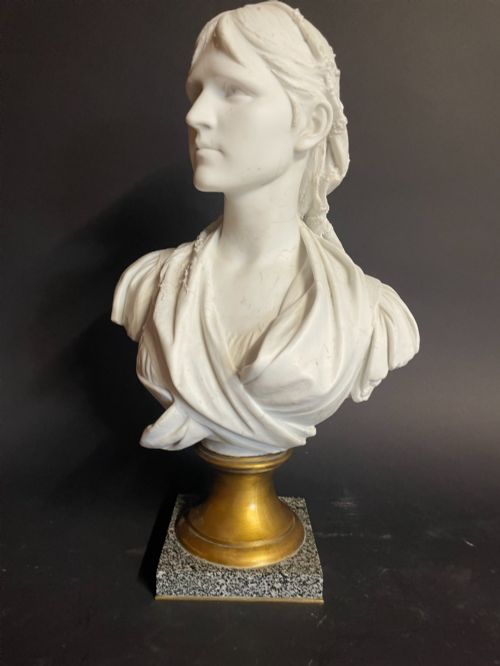
Listings feature nineteenth-century and early twentieth-century periods, using materials like Carrara marble, bronze, and wood across architectural pedestals and figural sculptures.
Judging execution and material
Quality rests upon the selection and purity of the materials, where dense, uniform marble and finely chased bronze distinguish superior examples from simpler cast metal and spelter alternatives. The geological choice for a base, such as figured Siena marble rather than plain stone, signals higher ambition.
The precision of the mounting determines the success of the piece, requiring tight joints between the bronze figure and its stone plinth without visible gaps or loose pins. Detail in the casting, from musculature to architectural moulding, separates workshop standards.
Barbedienne·Pierre le Faguays·August Moreau·Emile Carlier·Georges-Charles Coudray
The Antique Classical Sculpture Base Glossary
- Grand Tour
- A nineteenth-century travel tradition where travellers collected bronze reductions of classical sculptures and architectural bases in Italy as cultural souvenirs.
- Socle
- A short plain plinth or pedestal supporting a statue, bust, or vase. It acts as an intermediate architectural foot.
- Ormolu
- Gilt bronze created by applying a finely ground high-carat gold-mercury amalgam to a bronze object. This technique produces a rich golden surface.
- Carrara Marble
- A type of white or blue-grey marble quarried in the city of Carrara in Tuscany. Sculptors and makers utilise it for pedestals and figural bases.
- Patinated Bronze
- Bronze treated with chemical solutions to produce a specific surface colour and tone. This process protects the metal and defines sculptural contours.
Antique Classical Sculpture Base: Frequently Asked Questions
What is a classical sculpture base?
A classical sculpture base is a structural plinth, column, or pedestal designed to support figural bronzes and marble busts. These foundations provide physical stability and visual elevation for neoclassical and historicist artwork.
Materials typically include carved marble, patinated bronze, and wood. They range from integral mountings on nineteenth-century cabinet bronzes to large freestanding architectural columns.
How do I date a marble pedestal?
Dating a marble pedestal involves examining the geological type of stone, the tooling marks on hidden surfaces, and the overall stylistic proportion. Nineteenth-century examples often employ specific Italian marbles associated with the Grand Tour trade.
Joinery methods and the presence of historic fasteners also help establish age. Simple turned column forms frequently align with the aesthetic standards of the late nineteenth and early twentieth centuries.
Where were Grand Tour bases made?
Grand Tour bases were produced primarily in Italian workshops located in Rome, Florence, and Naples during the nineteenth century. Local artisans fashioned these marble plinths to mount bronze reductions of ancient sculptures.
French and English foundries also adopted this stylistic vocabulary, producing matching architectural bases for domestic display. The stone choice often reflects the specific region of the Italian quarries.
How do I clean antique bronze and marble?
Cleaning antique bronze requires a soft, dry cloth to remove dust without disturbing the historic patination. Polishes and harsh chemicals should be avoided to preserve the metal surface.
Marble bases benefit from gentle wiping with a damp cloth and mild neutral soap, followed by immediate drying. Porous stones absorb liquids quickly, so moisture must be controlled during maintenance.