

Antique Circular Snap Table
An antique circular snap table brings centuries of practical folding surfaces and rich timber grain into a modern room.
Antique Circular Snap Table
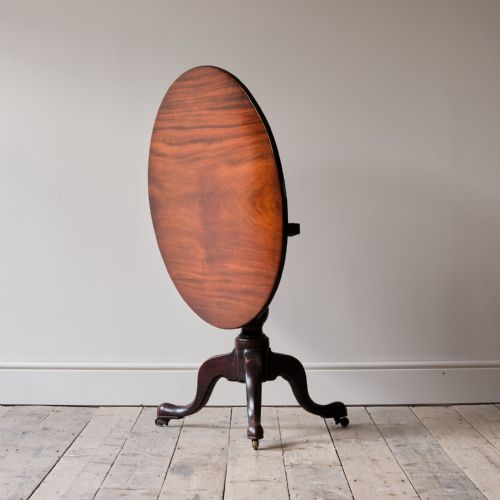
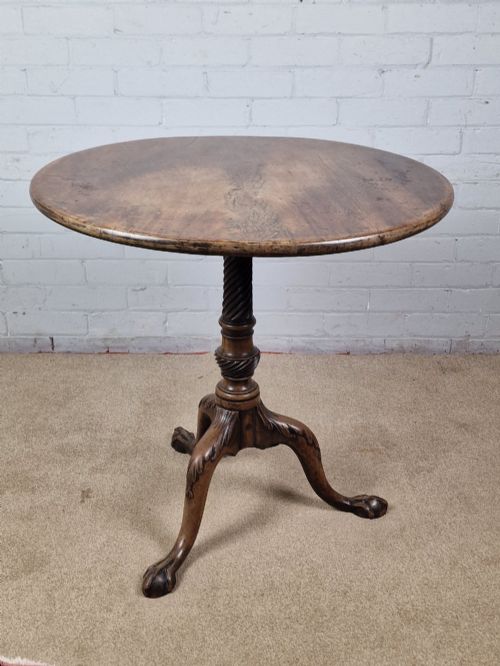
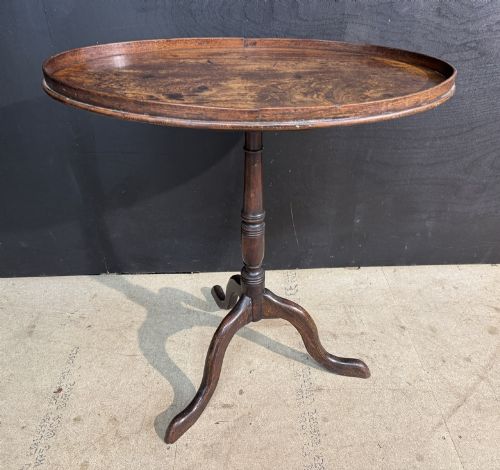
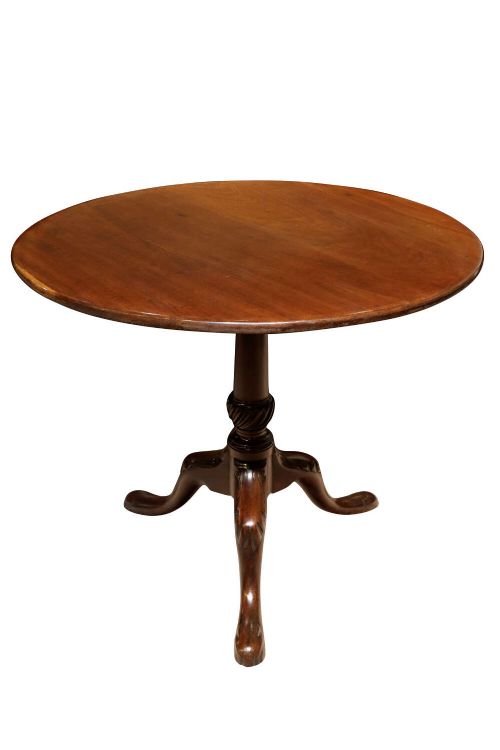
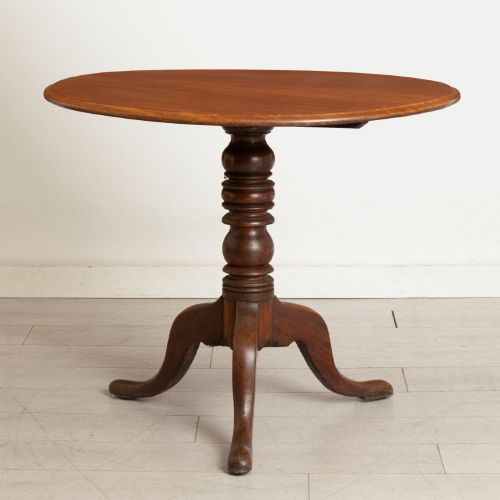
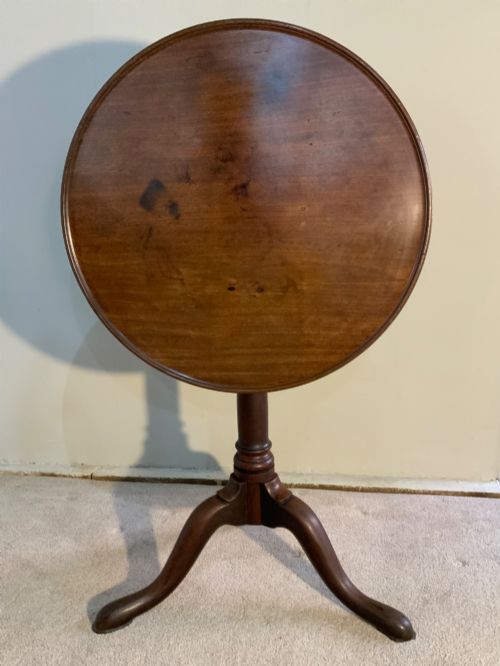
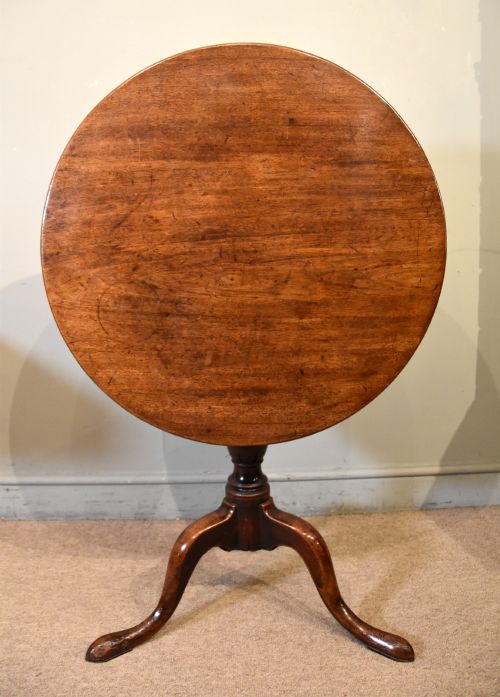
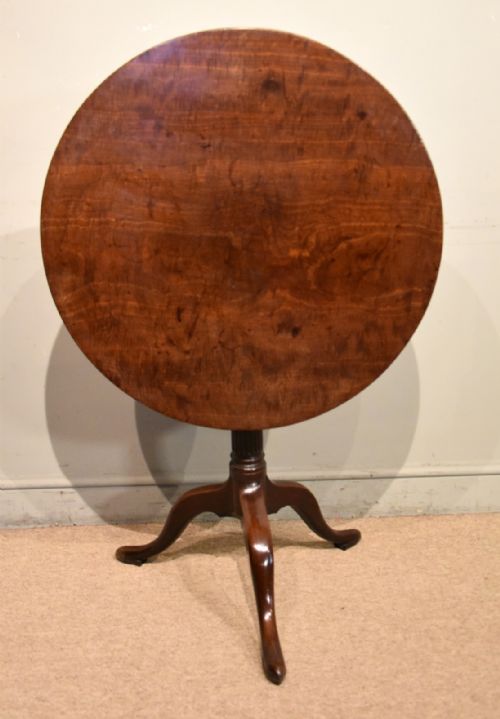
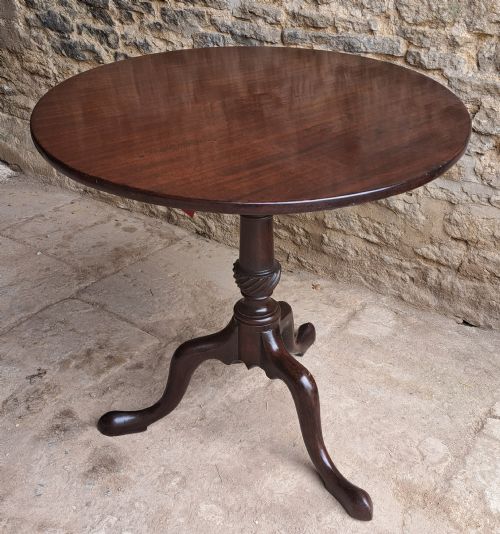
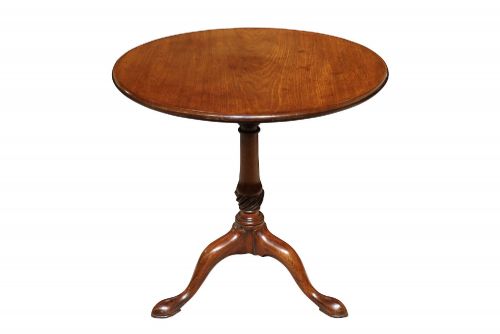
When you search for an antique circular snap table, you are looking at small occasional furniture designed to tilt flat when not in use. These pieces appear most frequently from the Georgian and Victorian eras, taking the form of tripod tables or occasional tables with circular tops. You will find examples spanning the eighteenth and nineteenth centuries, alongside occasional revivals.
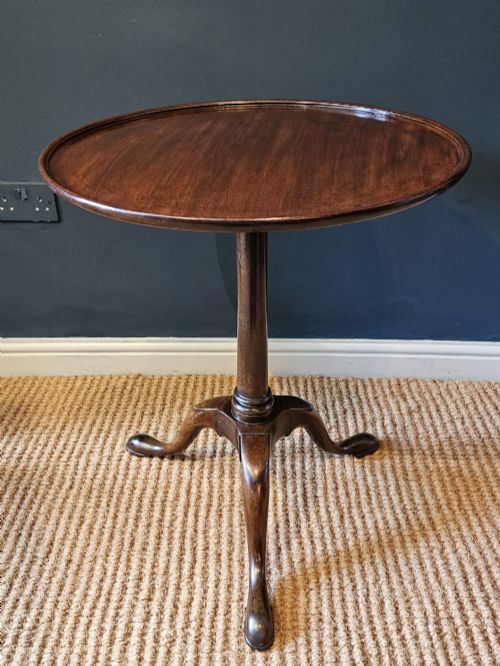
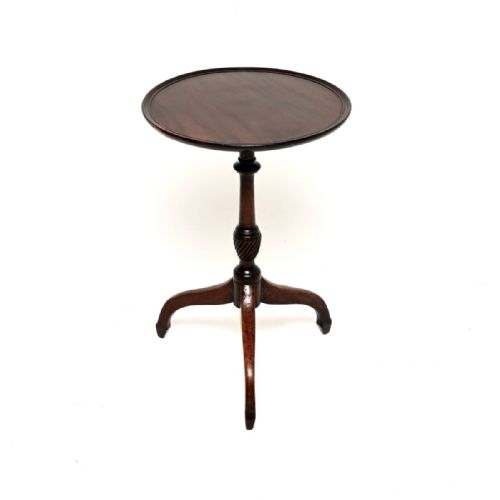
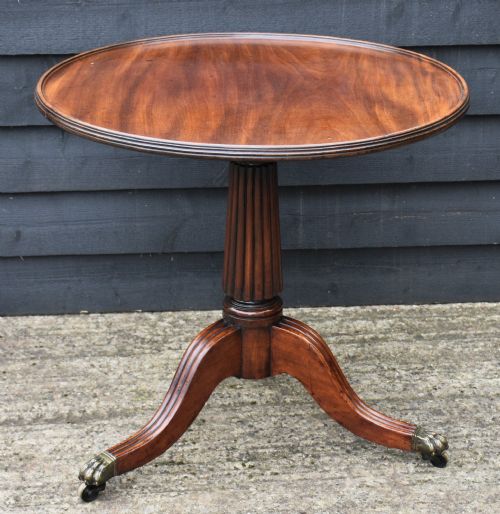
The primary forms on this page include tilt top tables, tripod tables, and occasional tables supported by a central pillar and three legs. Many retain the mechanism that lets the top snap into a vertical position against the catch. Oak, mahogany, and walnut dominate the construction across these historical periods.
Makers and craftsmen produced these tables in various scales, from small lamp tables to larger breakfast tables. The circular top rests on a pivoting mechanism, sometimes incorporating a birdcage block for rotation. Domestic interiors of the eighteenth century utilised these versatile pieces for tea, dining, and reading.
Materials and construction
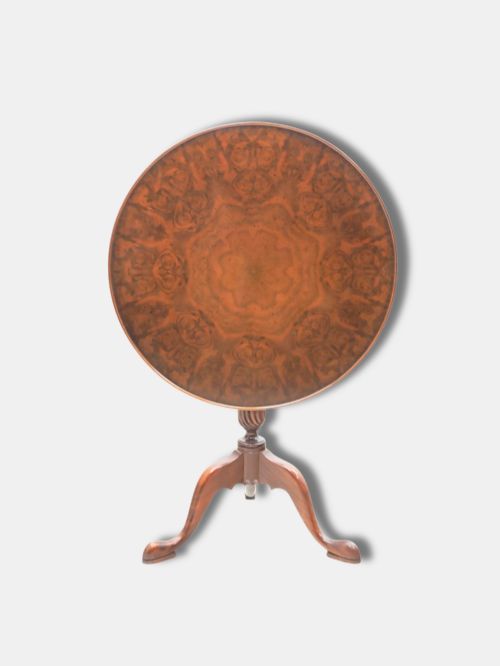
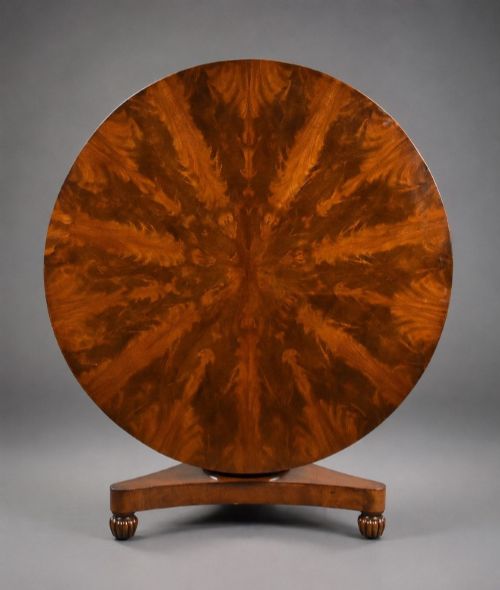
Cabinetmakers built these tables using dense timbers such as mahogany, oak, walnut, and rosewood, often selecting flame mahogany veneer for the main surfaces. Turning and joinery formed the central columns and tripod legs, while brass fittings occasionally secured the tilting mechanism.
The tilt mechanism relies on a clever catch and block arrangement beneath the surface, allowing the circular top to lock horizontally or drop vertically. Master carpenters turned solid wood for the pillars and shaped three sweeping legs to ensure stability.
Listings feature eighteenth-century and nineteenth-century examples in mahogany, oak, walnut, and rosewood.
Judging the standard
Quality rests upon the selection of timber, such as figured mahogany or red walnut, and the crispness of the turned column and leg joints. A single piece of timber for the circular top indicates higher craftsmanship than a multi-plank top.
The refinement of the snapping mechanism and the stability of the tripod base dictate the execution. Finer examples display precise turning on the pillar and subtle shaping on the legs without clumsy repairs.
The Antique Circular Snap Table Glossary
- Snap top
- A table top fitted with a spring catch that locks the surface flat or releases it to fold vertically. This mechanism allowed tables to be stored against walls when not in use.
- Tilt top
- An alternative term for a table top that pivots on its base. It shares the space-saving utility of the snap top.
- Birdcage
- A wooden framework beneath the table top that permits the surface to both tilt and rotate. It consists of two parallel discs connected by small spindles.
- Tripod table
- A piece supported by a single central pillar resting on three spreading legs. This design prevents rocking on uneven floors.
- Flame mahogany veneer
- Thin slices of mahogany cut to reveal a flickering, undulating grain pattern. Cabinetmakers applied this to the circular top for visual impact.
Antique Circular Snap Table: Frequently Asked Questions
What is an antique circular snap table used for?
These tables served as versatile furniture for tea, reading, and small meals in period homes. Their tilting mechanism allowed them to be stored flat against a wall to clear floor space.
Today they function effectively as lamp tables or occasional surfaces in sitting rooms and hallways, holding drinks, books, or decorative objects.
How do I date an antique snap table?
Dating relies on timber selection, leg profiles, and the engineering of the central pillar. Eighteenth-century examples often feature solid mahogany or oak with slender, elegant tripod legs.
Victorian and later pieces tend to show heavier proportions, sometimes incorporating rosewood or later decorative painted finishes on the top.
What does a birdcage mechanism do?
The birdcage is a small wooden assembly situated directly beneath the table top. It permits the surface to rotate horizontally in addition to tilting vertically.
This allowed users to spin the table towards them while seated without moving the heavy base.
Are these tables stable?
The three-legged tripod design ensures the table remains stable even on older, uneven floorboards. Each leg carries weight equally toward the outer edges.
When locked in the horizontal position with the snap catch engaged, the top remains firm for normal domestic use.