

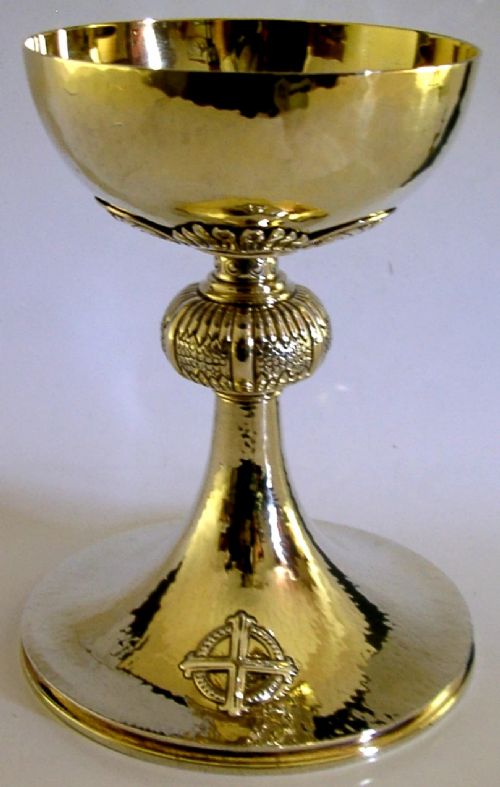


Antique Church Cross
These antique church cross pieces are devotional objects of wood, brass, and silver that bring sacred heritage and architectural presence into a room.
Antique Church Cross
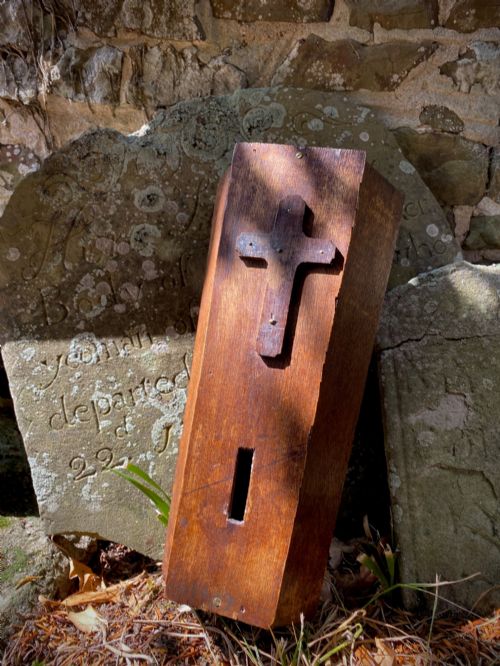
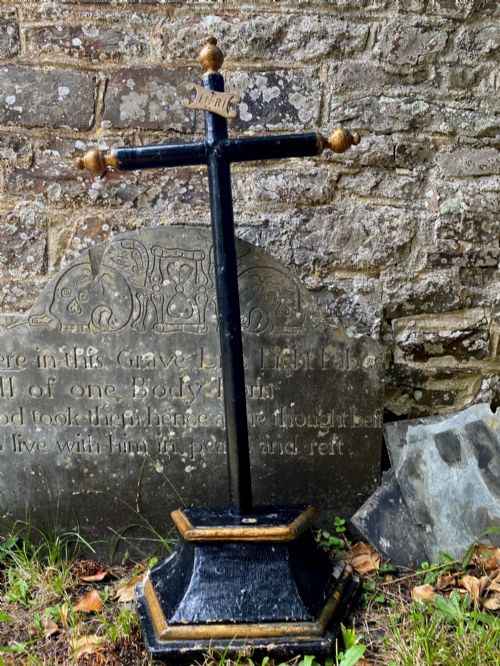
When you search for an antique church cross, you encounter a range of devotional forms spanning centuries of ecclesiastical craftsmanship. These items encompass freestanding brass or wooden crucifixes alongside related ritual furnishings.
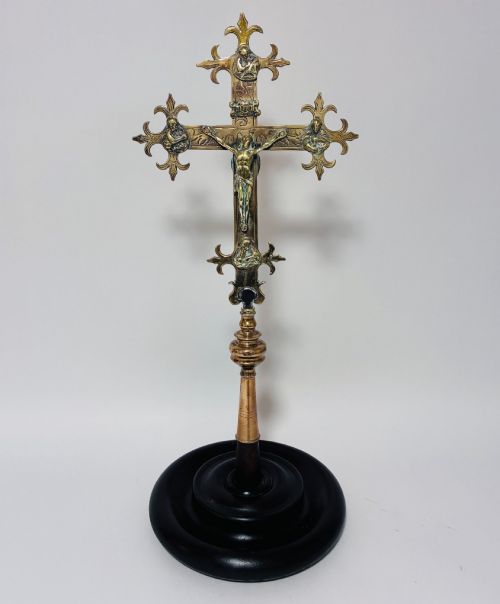
The pieces on this page originate from periods such as the nineteenth and twentieth centuries, alongside earlier examples. You meet varied expressions from Gothic Revival altar pieces to Art Deco oak interpretations and Russian icons.
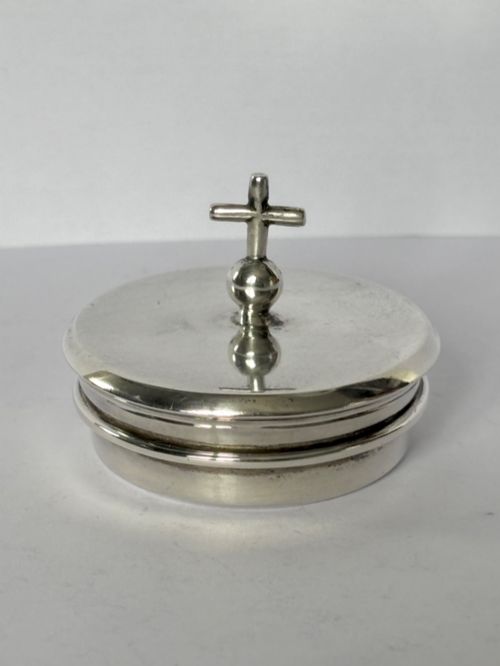
Object types include wall and table crucifixes, prayer chairs, and pyx boxes used in services. Each item carries the distinct aesthetic of its denomination and date of manufacture, whether English, French, or Spanish in origin.
Materials and construction methods
Construction relies upon traditional cabinetmaking and metalworking techniques recorded across the listings. Wood workers utilised oak, pine, and ebonised wood, frequently shaping them into carved figures and architectural supports.
Metalworkers employed brass, bronze, copper, sterling silver, and silver gilt to cast and engrave liturgical objects. Surface decoration involves gilding, painting in tempera on wood, and the inlay of materials like lapis lazuli.
Antique Church Cross Retail Price Guide 2026
Typical asking prices for church cross among the pieces listed under this phrase on Sellingantiques today, from the lower quarter to the upper quarter. They describe what is for sale here now, not the wider market.
The styles represented include Gothic Revival, Art Deco, and Russian Orthodox across various religious artefacts and furniture.
Factors of quality and execution
The selection of materials dictates the standing of a piece, from solid cast brass and sterling silver gilt down to simpler painted wood and pine constructions.
F. Osborne & Co London·Volga Masters
The Antique Church Cross Glossary
- Crucifix
- A cross bearing the figure of Jesus Christ. This form is central to Christian devotional art across various centuries.
- Pyx
- A small round box used in liturgical services to carry the Eucharist. Examples are frequently fashioned from silver gilt or engraved copper.
- Prie Dieu
- A type of prayer chair fitted with a desk for kneeling and resting books. These are often constructed from ebonised wood with velvet upholstery.
- Icon
- A devotional painting on wood, commonly associated with Eastern Orthodox traditions. They utilise tempera with silver and gilt highlights.
- Ecclesiastical
- Relating to the Christian Church or its clergy. This style governs the architecture and furnishings of places of worship.
Antique Church Cross: Frequently Asked Questions
What materials were used?
The listings show pieces made from wood, oak, pine, ebonised wood, and brass. Other items incorporate bronze, sterling silver, silver gilt, copper, and lapis lazuli.
Surface finishes include tempera paint, gilding, and textile upholstery such as green velvet found on prayer chairs.
How do I date them?
Dating relies on stylistic indicators and material choices spanning from the sixteenth century through to the mid-twentieth century. Gothic Revival and ornate metalwork point to nineteenth-century production.
Art Deco forms and specific workshop marks help assign pieces to the 1920s and 1930s. Earlier examples display sixteenth-century Franco-Spanish characteristics.
How were they used?
These objects served various roles within Christian worship, private devotion, and church architecture. Crucifixes and icons were focal points for prayer, while pyx boxes held the Eucharist.
Prie dieu chairs provided a dedicated kneeling space for personal devotions, and lecterns supported service books.