



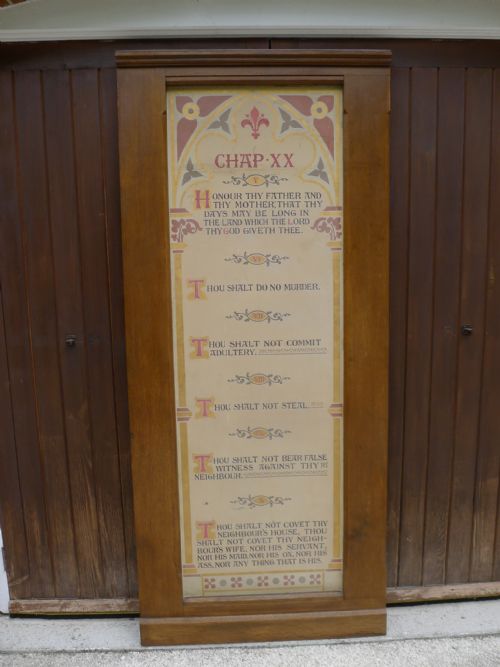
Antique Church Board
These antique church board pieces carry centuries of quiet devotion and architectural history straight into a domestic interior.
Antique Church Board
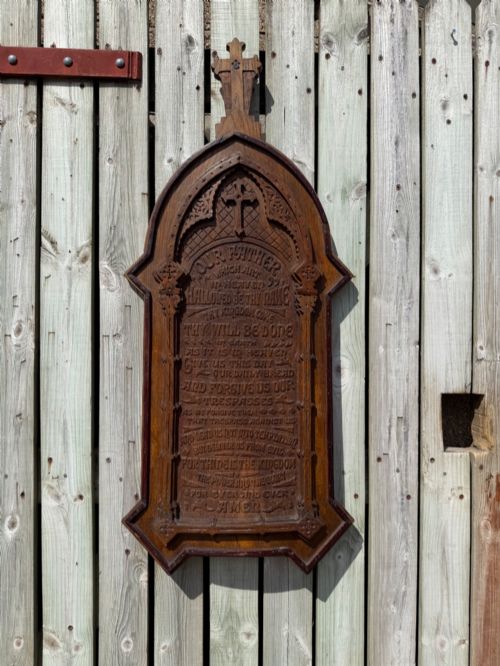
When you search for an antique church board, you are looking at items that served devotional, structural, or communal roles in religious and civic spaces. The selection spans utilitarian hymn boards with card numbers, painted wall plaques, and ecclesiastical wall panels from the eighteenth, nineteenth, and early twentieth centuries.
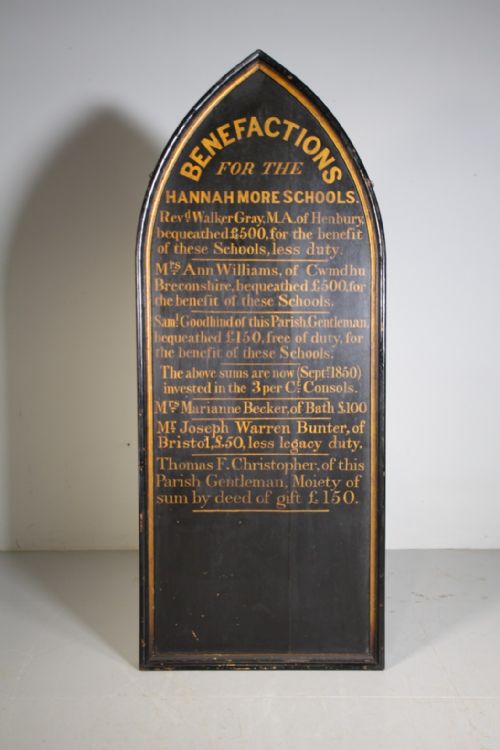
Other variations include naive folk art oil paintings on board depicting local churches, alongside larger painted signs originating from Welsh borders. Each object retains the distinct character of its original ecclesiastical or rural setting.
How they were made
Makers utilised durable local timbers, predominantly oak, to construct the foundational panels and structural frames. Carpenters joined these wooden boards using traditional methods suitable for pieces intended to hang securely upon stone or lath-and-plaster walls.
Surfaces were frequently finished with oil paint to apply sacred texts, hymn numbers, or decorative illumination. Brass fittings and fabric elements occasionally appear on panels and wall plaques, adding functional contrast to the painted wood.
Antique Church Board Retail Price Guide 2026
Typical asking prices for church board among the pieces listed under this phrase on Sellingantiques today, from the lower quarter to the upper quarter. They describe what is for sale here now, not the wider market.
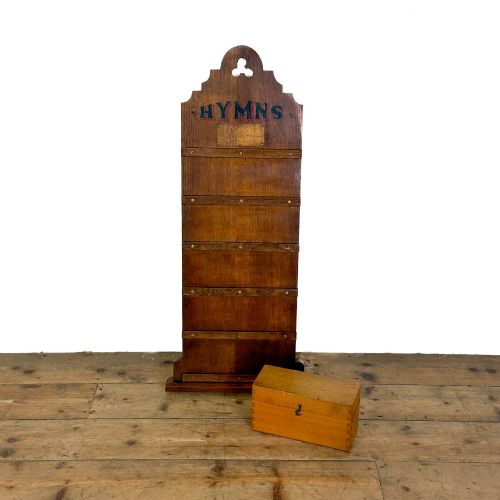
Several boards come with their original box of card numbers, ready for the next parish hymn lineup.
What varies in quality
The distinction between standard utility items and finer examples rests in the legibility and execution of the lettering. Hand-painted illuminated texts from the Victorian era display careful brushwork and compositional balance that elevate them above routine parish printing.
Material integrity and the survival of original painted surfaces dictate the standing of each piece. Panels retaining undisturbed nineteenth-century finishes demonstrate greater historical cohesion than those subjected to later overpainting.
William Greaves·John Jaques
The Antique Church Board Glossary
- Gothic Revival
- An architectural and decorative style popular during the nineteenth century that revived medieval forms, pointed arches, and ecclesiastical motifs.
- Tin Tabernacle
- A prefabricated corrugated iron church or chapel common in the late nineteenth century, often housing simple interior furnishings and painted wall texts.
- Hymn Board
- A board displayed in a church to show the numbers of the hymns chosen for the service, usually supplied with movable card numbers.
- Naive Folk Art
- Artistic work produced by self-taught individuals, characterised by a direct perspective and unpretentious handling of oil paint on board.
Antique Church Board: Frequently Asked Questions
What is an antique church board?
An antique church board is a functional or decorative item originating from a place of worship, encompassing hymn number displays, painted scripture panels, and naive artworks.
These pieces reflect the devotional practices and interior aesthetics of parish churches and tin tabernacles from the eighteenth century onwards.
How were hymn boards used?
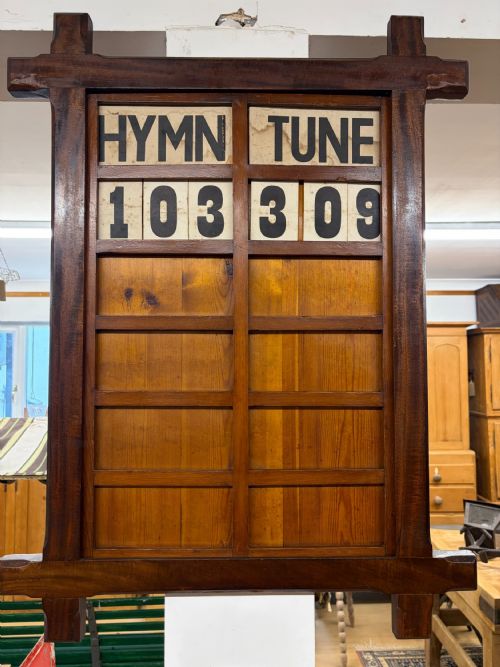
Hymn boards were mounted on interior walls so congregations could view the specific numbers of the hymns during a service.
Slots or ledges held individual card numbers, which church officials changed weekly using supplementary boxes of digits.
How do I style an antique church board?
These boards mount directly onto walls, making them suitable focal points in hallways, living rooms, or kitchens where vertical space allows.
Their dark oak timbers and painted text contrast effectively against neutral plaster walls, complementing both traditional and contemporary interiors.
How can I tell the age of a painted wall text?
Age is determined by the substrate material, the composition of the oil paint, and the typography style characteristic of periods like the nineteenth century.
Examining the fixings, wood shrinkage, and overall surface wear helps distinguish genuine Victorian items from later reproductions.