



Antique Chinese Tea Cup
An antique chinese tea cup brings centuries of precise kiln work and hand painting directly to the table.
Antique Chinese Tea Cup
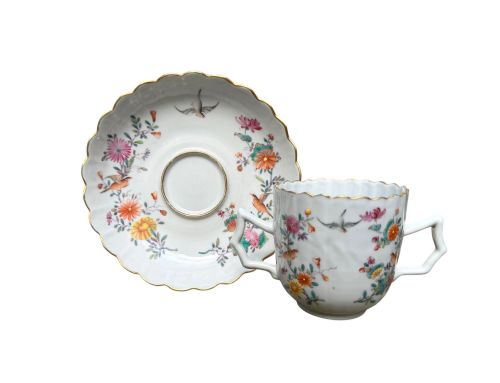
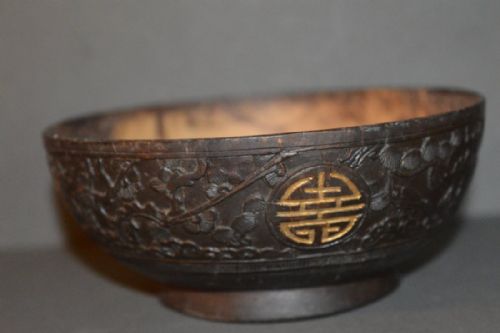
When you search for an antique chinese tea cup, you encounter delicate porcelain vessels shaped as tea bowls, handleless cups, and matched saucer sets. These forms originate primarily from the eighteenth century, spanning the Qing Dynasty and the Qianlong period.
You are most likely to meet export porcelain made for western markets, alongside domestic wares decorated with famille rose enamels, mandarin palettes, or celadon glazes.
The selection includes individual tea bowls alongside larger sets, featuring motifs from intricate acrobatics scenes to symbolic bats and Thousand Lohan depictions.
Materials and construction
Makers shaped these items from hard-paste porcelain, firing the clay at high temperatures to create a dense, ringing body. Potters then applied cobalt underglaze before the main firing, painting deep blue details beneath the shiny surface.
Overglaze enamel painting added vibrant colour palettes such as famille rose and mandarin schemes after the initial glaze firing. Artisans occasionally finished rims and highlights with gold leaf and gold gilt for added ornamentation.
Antique Chinese Tea Cup Retail Price Guide 2026
Typical asking prices for chinese tea cup among the pieces listed under this phrase on Sellingantiques today, from the lower quarter to the upper quarter. They describe what is for sale here now, not the wider market.
Listings feature hard-paste porcelain decorated with cobalt underglaze and overglaze enamel across the eighteenth and nineteenth centuries.
Assessing quality
The refinement of the hand painting sets exceptional examples apart from simpler commercial output. Brushwork with controlled linework and precise facial expressions in figures denotes superior artistic skill.
The consistency of the hard-paste porcelain body and the evenness of the glaze application determine the foundational grade of the vessel. Purity in cobalt underglaze and stability in overglaze enamels indicate careful workshop standards.
The Antique Chinese Tea Cup Glossary
- Famille rose
- A prominent palette of opaque pink and rose enamels introduced during the Qing Dynasty. This colourful style allowed for subtle tonal gradations in floral and figural painting.
- Celadon
- A pale green jade-like glaze applied over porcelain before firing. The subtle coloration results from iron oxide reacting within a reduction atmosphere.
- Cobalt underglaze
- Pigment applied to the raw clay body prior to glazing and high-temperature firing. This technique locks the deep blue design permanently beneath the shiny glass layer.
- Hard-paste porcelain
- A dense, vitrified ceramic material composed of kaolin and petuntse. It rings clearly when struck and resists scratching from steel.
- Qing Dynasty
- The final imperial dynasty of China, lasting from sixteen forty-four until nineteen twelve. This era produced significant advancements in porcelain technology and export wares.
Antique Chinese Tea Cup: Frequently Asked Questions
How do I date an antique chinese tea cup?
Examine the base, glaze texture, and painting style to match known stylistic periods like the Qianlong reign. Marks on the underside often reference earlier imperial eras rather than indicating the exact year of manufacture.
Consider the weight of the hard-paste porcelain and the chemistry of the overglaze enamels. Eighteenth-century pieces typically display distinct potting characteristics and softer enamel lustres compared to later copies.
What is the difference between tea bowls and tea cups?
Traditional tea bowls lack handles and rely on the drinker cupping the warm porcelain directly in their hands. This ancient form dominated early Chinese teaware production.
Later export tea cups frequently incorporated small loop handles to accommodate western preferences. Both variants commonly appeared alongside fitted saucers in matching sets.
How should I display delicate porcelain safely?
Keep porcelain items away from direct sunlight and areas subject to sudden temperature fluctuations. Stable shelving prevents accidental knocks to handleless tea bowls and thin saucers.
Avoid hanging pieces by wire mounts that stress the ceramic body. Clean them gently with dry microfibre cloths rather than submerging fragile gilded surfaces.