



Antique Chinese Silk
These antique chinese silk pieces bring centuries of textile artistry and painted detail into a room, offering rich textures and cultural narratives.
Antique Chinese Silk
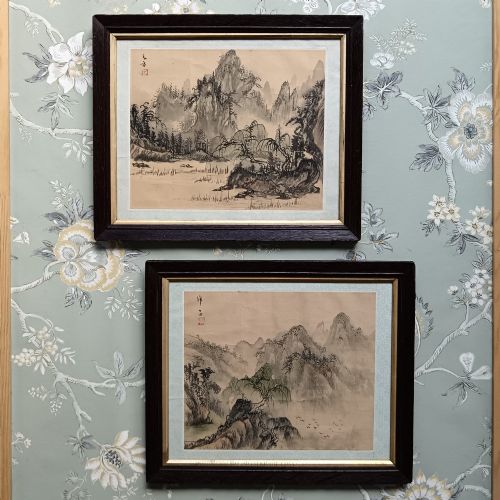
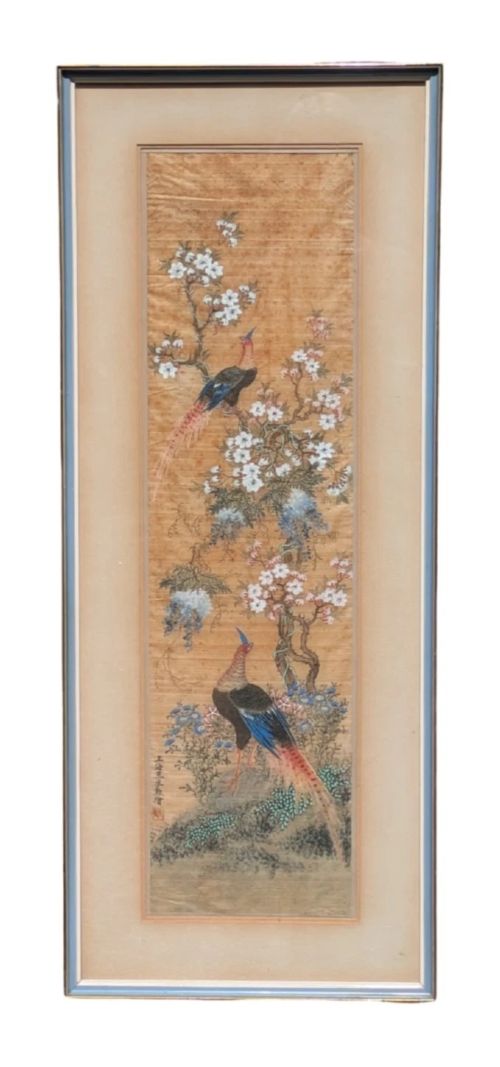
When buyers search for antique chinese silk, they encounter a diverse array of textile art, paintings, and framed panels originating from various dynasties and later periods. The selection ranges from intricate hand-sewn embroideries and rank badges to scroll paintings and woven screens.
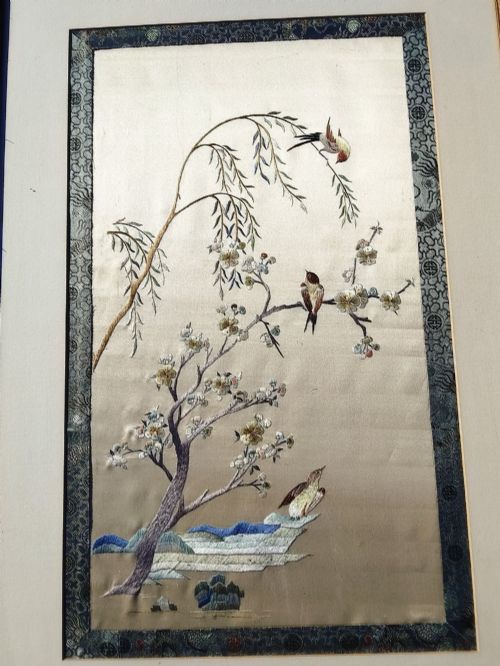
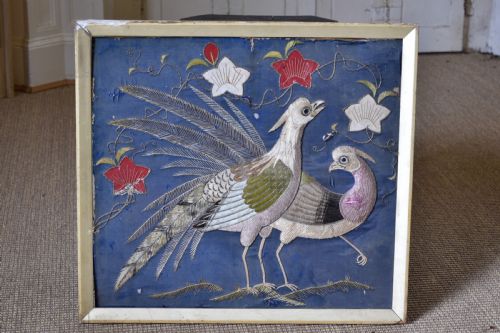
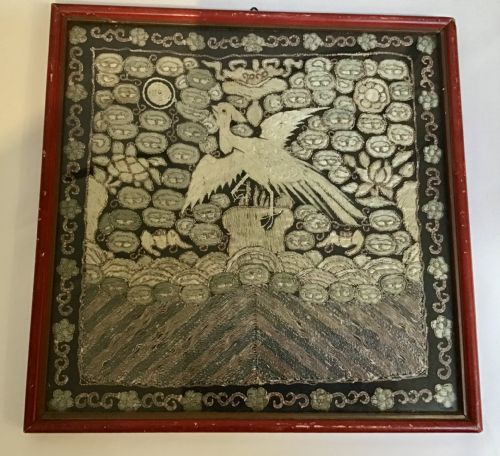
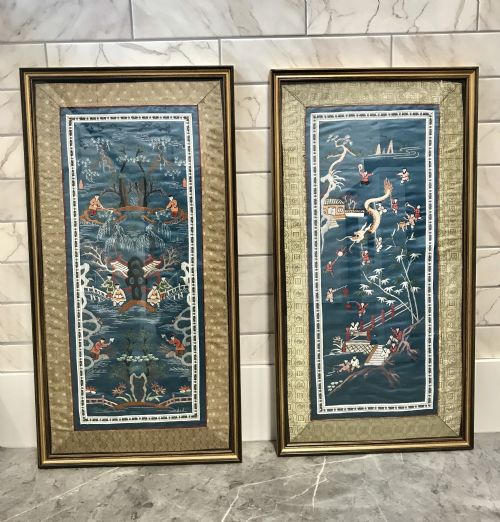
Most examples met on this page date from the nineteenth and early twentieth centuries, particularly the Qing dynasty and the subsequent republic period. These domestic and export pieces often feature traditional motifs such as dragons, birds, flowers, and figures.
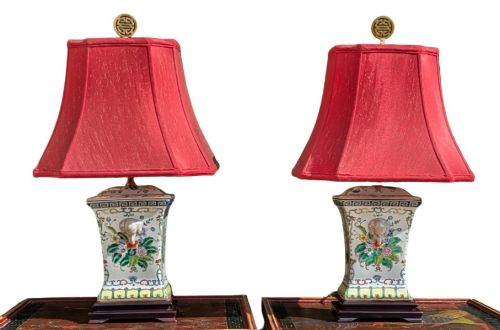
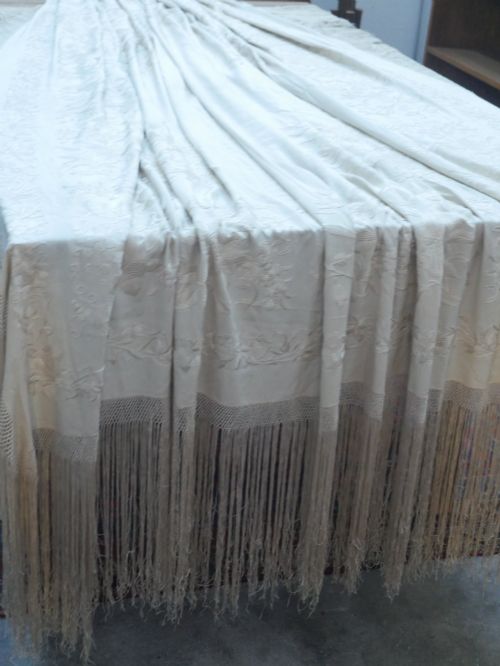
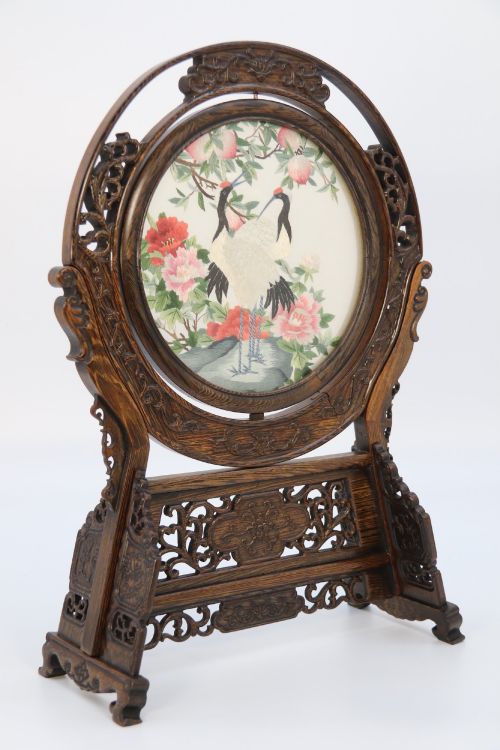
Forms also include table screens, piano shawls, ancestor portraits, and utilitarian items incorporating embroidered panels or carved hardwood. Each format reveals the specific function and aesthetic preference of its original commissioning environment.
Materials and construction
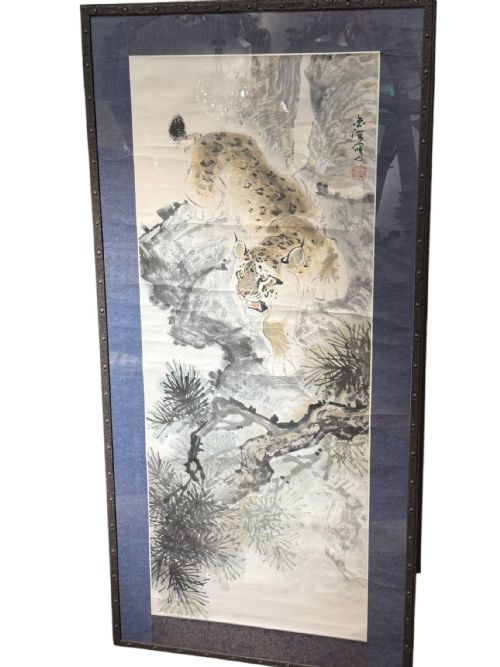
The primary fabric foundation is silk, frequently combined with metallic thread for highlights in needlework and embroidery. Pigments, ink, and watercolour appear on silk paintings, scrolls, and ancestor portraits.
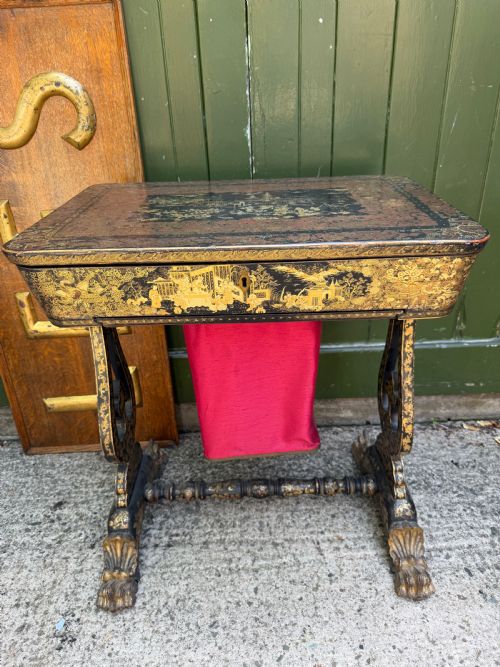
Rigid supports and frames utilise hardwood, glass, and paper to protect delicate textiles and paintings. Many embroidered panels and rotating displays pair fine needlework with carved wooden stands or lacquer work.
Antique Chinese Silk Retail Price Guide 2026
Typical asking prices for chinese silk among the pieces listed under this phrase on Sellingantiques today, from the lower quarter to the upper quarter. They describe what is for sale here now, not the wider market.
Listings incorporate items spanning the eighteenth century through to nineteen sixty, utilising silk, hardwood, glass, and metallic thread.
Assessing quality and execution
Quality in these textiles and paintings rests upon the fineness of the needlework, the precision of the brushwork, and the preservation of the original pigments and threads. Superior examples exhibit intricate detail in figures, flora, and fauna, alongside stable mounts and frames.
The materials themselves dictate the tier of an object, from standard silk grounds to complex double-sided embroideries and pieces utilising precious hardwoods. Integration between the textile component and its housing, such as original glass or carved stands, maintains the integrity of the piece.
The Antique Chinese Silk Glossary
- Rank badge
- A square embroidered patch indicating the status of a civil official or military officer during the imperial era. These patches display specific birds or animals corresponding to precise bureaucratic grades.
- Ancestor portrait
- A formal painting created to commemorate deceased family members for ritual veneration. These large hanging scrolls portray subjects in stiff, frontal poses.
- Champlevé
- An enamelling technique where troughs or cells are carved into a metal surface and filled with vitreous enamel before firing. This method appears on decorative bronze items associated with the works.
- Qing Dynasty
- The final imperial dynasty of China, lasting from sixteen forty-four to nineteen twelve. Many surviving textiles and paintings originate from its later decades.
Antique Chinese Silk: Frequently Asked Questions
How are antique chinese silk panels usually displayed?
Most framed panels and scrolls are designed to hang on walls away from direct sunlight to protect the fragile fibres. Table screens and rotating stands utilise protective glass and sturdy hardwood bases for tabletop placement.
Maintaining stable indoor humidity levels helps preserve both the silk fabric and the wooden frames over time.
What subjects commonly appear on these embroideries?
Traditional motifs include mythological creatures such as dragons and phoenixes, alongside auspicious symbols like mandarin ducks and garden birds. Floral arrangements and human figures also feature prominently in needlework.
These subjects often carried specific symbolic meanings regarding status, longevity, and harmony in imperial and domestic settings.
How can I distinguish between nineteenth-century and later pieces?
Examination of the pigments, framing materials, and backing papers often reveals clues regarding age and origin. Nineteenth-century works frequently display natural dyes and traditional hand-spun silk grounds.
Later pieces from the early twentieth century may incorporate machine-assisted elements or different framing techniques characteristic of the republic period.