



Antique Chinese Portrait Artwork
These antique chinese portrait artwork pieces bring centuries of tradition, ancestral reverence, and skilled brushwork into your home.
Antique Chinese Portrait Artwork
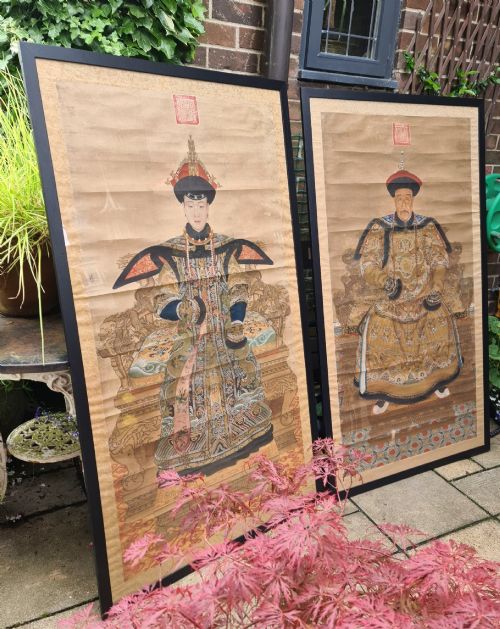
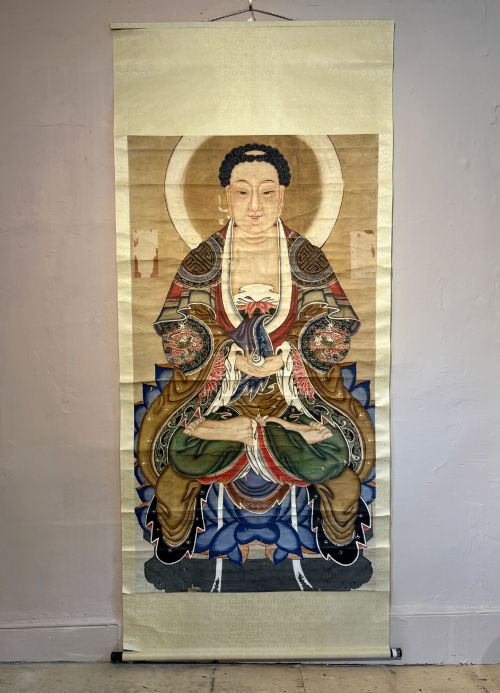
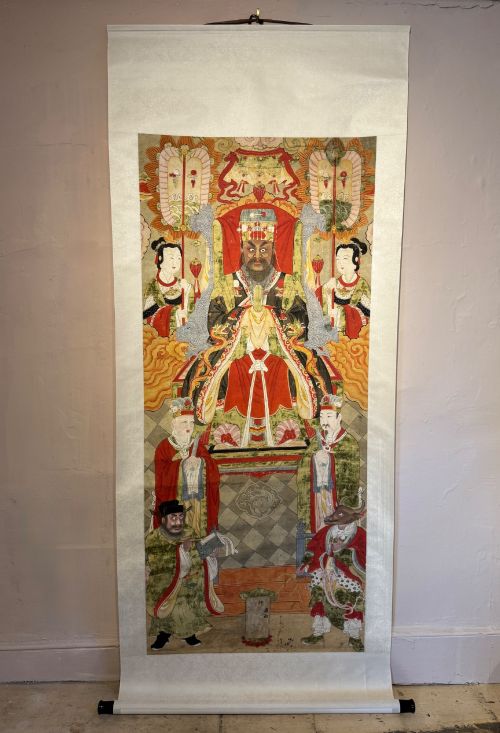
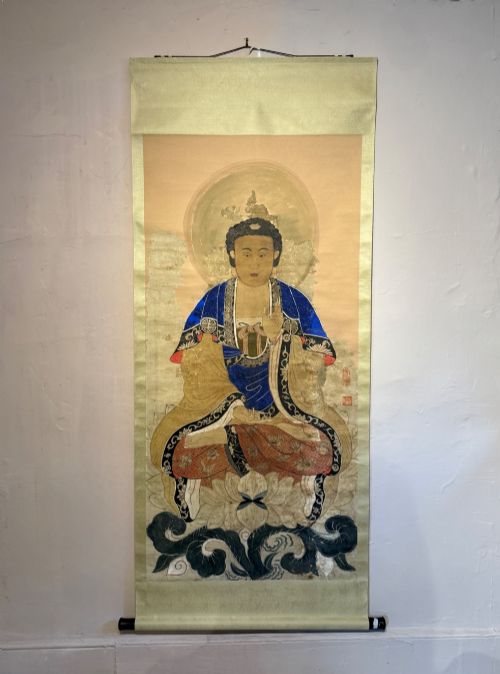
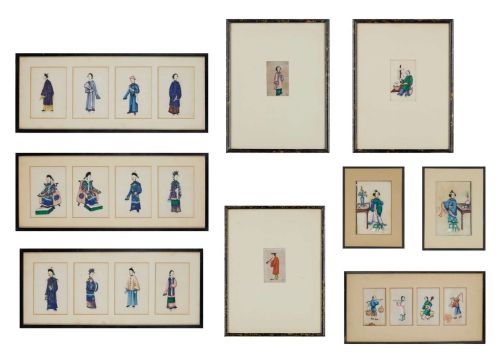
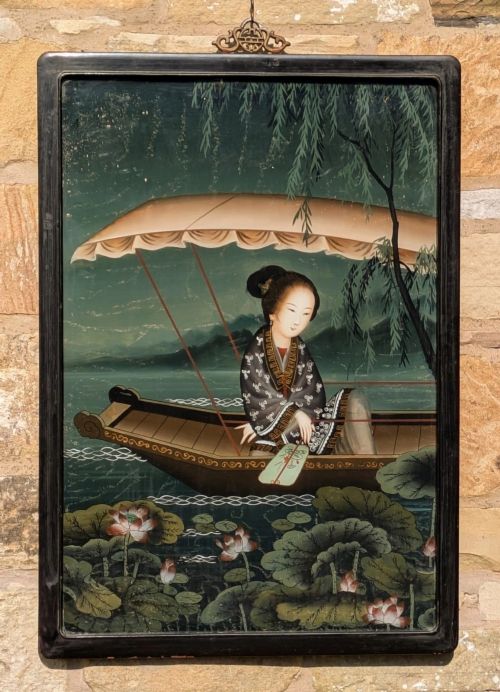
Antique chinese portrait artwork encompasses framed paintings, ancestral scrolls, pith paper studies, and reverse paintings on glass. These works capture historical figures, maritime scenes, and revered ancestors created across the nineteenth and early twentieth centuries.
The version most commonly met on this page is the nineteenth-century ancestral scroll or pith paper painting. Such pieces display the distinct aesthetic of the Qing dynasty and export traditions destined for international trade.
How they were made
Artisans applied pigment, ink, pastel, and oil directly onto delicate surfaces including silk, paper, canvas, and glass. Supporting frames utilised hardwood and wood to secure these fragile works.
Techniques ranged from meticulous watercolour applications on pith paper to reverse painting on glass and woven silk panels. Each method demanded precise hand-painting skills passed down through generations.
Antique Chinese Portrait Artwork Retail Price Guide 2026
Typical asking prices for chinese portrait artwork among the pieces listed under this phrase on Sellingantiques today, from the lower quarter to the upper quarter. They describe what is for sale here now, not the wider market.
Periods represented on this page span the eighteenth century, nineteenth century, and early twentieth century.
What varies in quality
The distinction between standard export items and higher-tier ancestral commissions lies in the depth of expression and the complexity of the composition. Intact original mountings further elevate the standing of a piece.
The Antique Chinese Portrait Artwork Glossary
- Pith paper
- A delicate material formed from the pith of the Tetrapanax papyrifer plant, commonly used for nineteenth-century export watercolours. It absorbs pigment to produce a velvety surface texture.
- Reverse painting on glass
- A technique where artists paint directly onto the rear side of a glass panel, creating a finished image viewed from the front. This method imparts a distinct glossy sheen.
- Ancestor painting
- A formal portrait commissioned to honour deceased family members or dynastic figures for ritual veneration. These works emphasise dignified poses and traditional garments.
- Qing dynasty
- The final imperial dynasty of China, ruling from sixteen-fourteen-fourteen to nineteen-and-twelve. Its artistic output heavily influences the styles found in antique Asian works.
- Scroll painting
- A flexible length of silk or paper mounted for rolling or wall hanging. They often depict deities, landscapes, or formal portraits.
Antique Chinese Portrait Artwork: Frequently Asked Questions
What are antique Chinese ancestral portraits?
These formal paintings depict respected family members or dynastic figures, created to honour lineage and heritage.
They serve as visual records of traditional costume, rank, and status during the Qing dynasty and later periods.
How do you display reverse glass paintings?
These works require secure wall mounting away from direct sunlight to protect the pigments behind the glass panel.
Matching them with simple wooden frames helps support their weight while preserving their historical aesthetic.
What is pith paper art?
Pith paper paintings utilise a fragile plant-based material that captures watercolour pigments with exceptional colour depth.
Artists in the nineteenth century produced many such works for international visitors and trade markets.
How are nineteenth-century pieces dated?
Dating relies on stylistic markers, costume details, material composition, and any accompanying framing or inscription evidence.
Comparing brush techniques against known Qing dynasty benchmarks helps narrow the period of creation.