






Antique Chinese Plaques
Antique chinese plaques bring tactile depth to walls through carved wood, jade and cloisonne enamel.
Antique Chinese Plaques
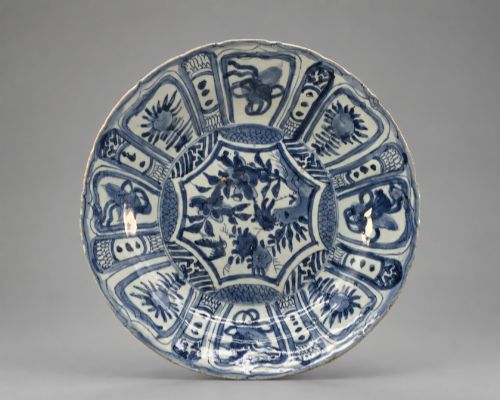
Antique chinese plaques encompass carved wooden panels, temple fragments and hardstone carvings made for display. Pieces range from small jade pendants to large wall carvings spanning several centuries.
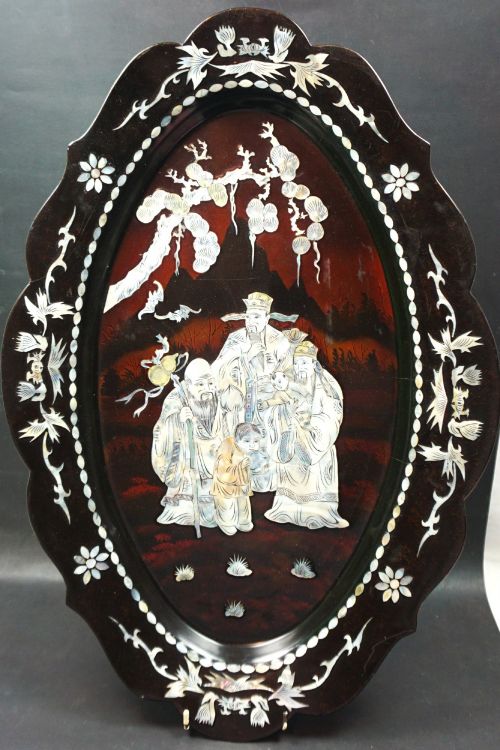
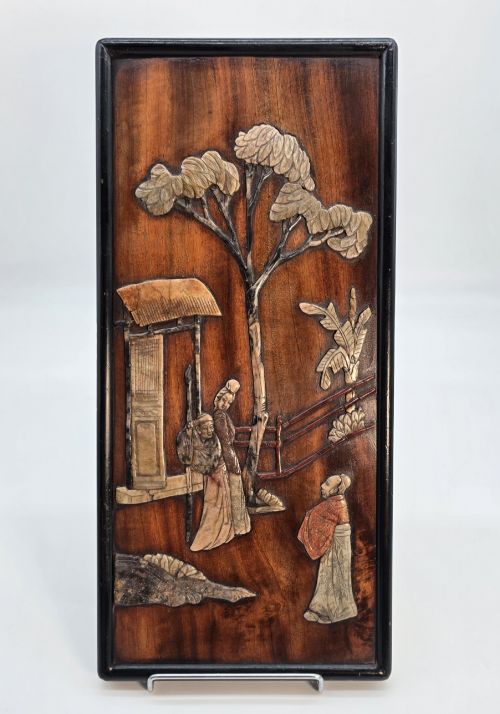
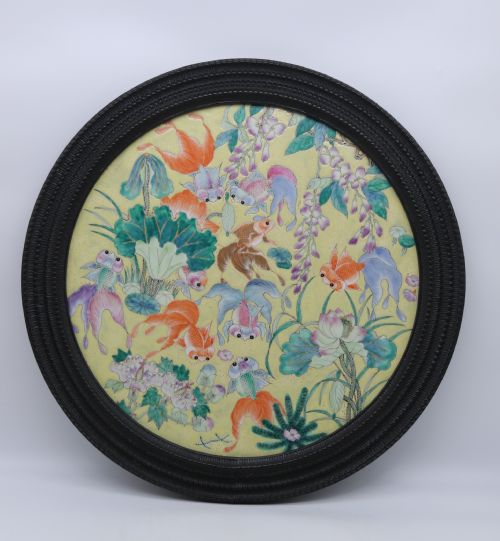
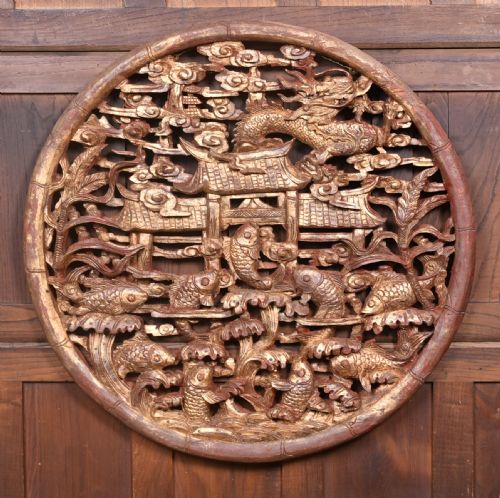
The versions most frequently met on this page include carved wooden panels from the nineteenth century alongside cloisonne and lacquer pieces. These items often originate from Qing Dynasty or Republic Period workshops.
Makers shaped wood, jade and copper into flat decorative formats intended to hang upon walls or rest within scholarly interiors. Each piece reflects traditional Chinese motifs, from dragons to auspicious symbols.
How they were made
Artisans carved softwood and hardwood to create dimensional panels and architectural fragments. Gilding, gold leaf and mother of pearl inlay often enhance these wooden surfaces.
Hardstone carvers worked nephrite jade and jadeite into intricate pendants and plaques. Enamellers applied cloisonne techniques on copper bases to produce vibrant chargers and decorative dishes.
Antique Chinese Plaques Retail Price Guide 2026
Typical asking prices for chinese plaques among the pieces listed under this phrase on Sellingantiques today, from the lower quarter to the upper quarter. They describe what is for sale here now, not the wider market.
Listings span periods from the eighteenth century through the Qing Dynasty and Republic Period, utilising wood, jade, lacquer and copper.
What varies in quality
Depth and precision of carving separate ordinary panels from masterworks. Pierced relief work in wood or stone demonstrates the skill of the carver.
Quality also depends on the preservation of original gilding, lacquer and enamel work. Intact surface details and harmonious material composition elevate a piece.
The Antique Chinese Plaques Glossary
- Qing Dynasty
- The final imperial dynasty of China, lasting from 1644 to 1912. Many decorative plaques and carvings date from this era.
- Republic Period
- The era in Chinese history following the fall of the Qing Dynasty in 1912, known for distinct scholarly and export art. Pieces from this time often bear refined jade and enamel work.
- Cloisonne
- A metalwork technique where enamel is applied to compartments separated by metal strips on a copper base. This method produced richly coloured decorative plaques and chargers.
- Nephrite Jade
- A tough, dense silicate mineral utilised by Chinese carvers for pendants and plaques. Its smooth texture lends itself to intricate figurative and symbolic carving.
- Pixiu
- A mythical winged celestial creature frequently depicted in Chinese jade carvings and pendants. It serves as an auspicious symbol in traditional lore.
Antique Chinese Plaques: Frequently Asked Questions
How do I hang heavy carved wooden panels?
Heavy wooden panels require robust wall fixings anchored directly into structural studs or masonry.
Ensure the weight is distributed evenly across brackets or hidden battens designed to support dense timber.
Can jade pendants be worn as jewellery?
Many jade items listed as pendants were originally created as personal ornaments or scholarly tokens.
Mounting them safely allows them to be worn today, provided the suspension hole or loop remains secure.
How do I clean antique cloisonne plaques?
Dust cloisonne surfaces gently with a soft, dry brush to remove accumulated particles without scratching the enamel.
Avoid liquid cleaners or abrasive cloths that might damage the delicate copper wires and vitreous enamel.
What is the difference between Qing and Republic pieces?
Qing Dynasty items typically reflect strict imperial workshops or traditional scholarly aesthetics from the eighteenth and nineteenth centuries.
Republic Period works often embrace transitional styles and vibrant symbolism produced during the early twentieth century.