




Antique Chinese Partition
An antique Chinese partition is a striking room divider, offering rich lacquer work and folding panels to shape interiors with architectural presence.
Antique Chinese Partition
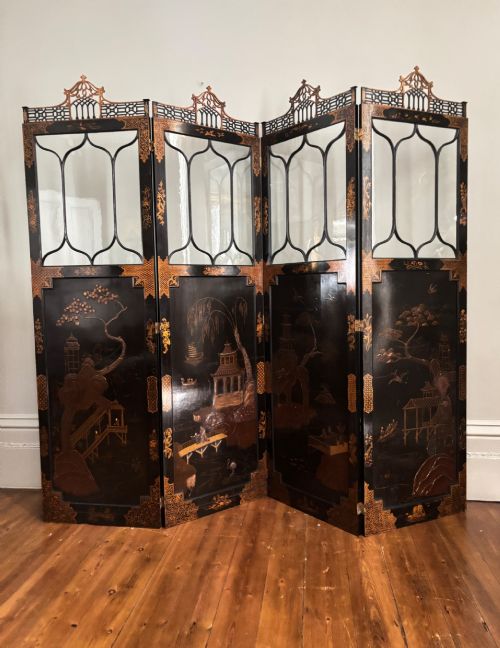
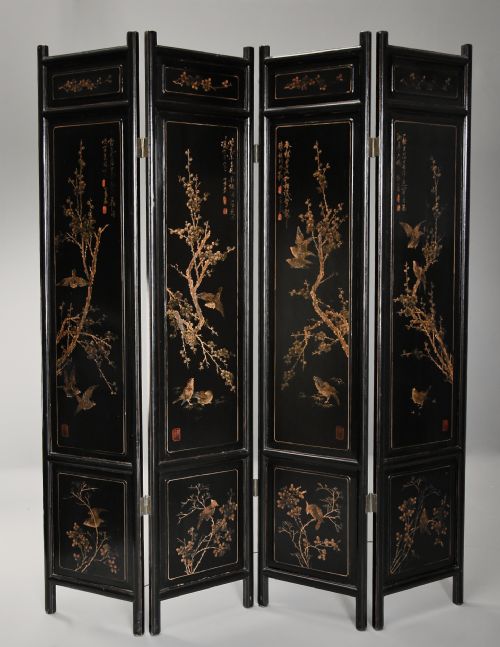
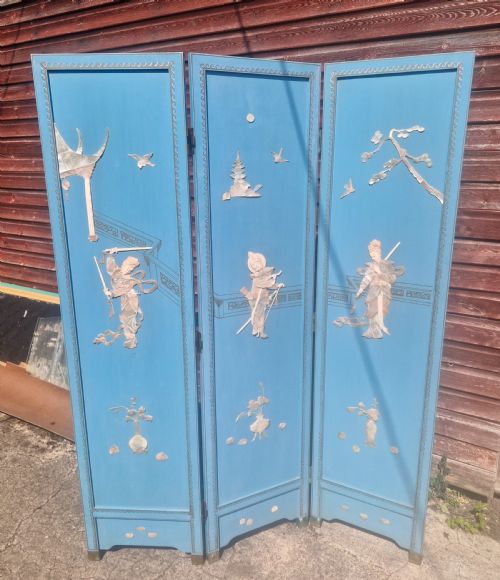
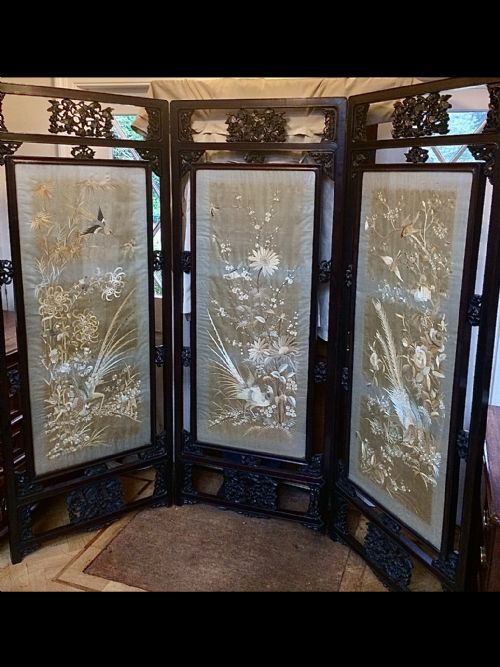
An antique Chinese partition is primarily found in the form of multi-fold folding screens and room dividers. These pieces serve to divide spaces or decorate rooms, arriving in formats ranging from three-fold to eight-fold configurations.
The selections span from the late nineteenth century through to the mid twentieth century. Buyers encounter traditional forms, freestanding room dividers, and table screens originating from periods such as the Qing Dynasty and the Republic Era.
Makers utilised various traditional designs, including Chinoiserie and Chinese Chippendale styles. These large screens establish a distinct focal point within a room through their scale and pictorial surfaces.
How they were made
The construction relies heavily on wood and hardwood as the structural foundation for these panels. Artisans shaped these materials into sturdy frames capable of supporting multiple folding leaves.
Surfaces receive layers of lacquer, often in black, alongside detailed applications of gold leaf. Craftsmen integrated materials such as mother-of-pearl, brass hardware, and glass elements to enrich the visual depth of the panels.
Carved decoration brings texture to the wood, depicting subjects like dragons. Silk panels also appear in the construction, adding textile softness to the rigid wooden frameworks.
Dragons peer out from carved wooden panels, keeping a silent, mythical watch over the modern living room.
What varies in quality
The richness of the surface decoration determines much of the distinction between examples. Pieces finished with dense coromandel lacquer and extensive gold leaf display a higher degree of artisan investment.
The complexity of the carving and the assembly of multiple folding leaves dictate the overall refinement. Heavier hardwood structures and intricate details such as mother-of-pearl inlay elevate the visual weight of a screen.
The Antique Chinese Partition Glossary
- Coromandel lacquer
- A Chinese incised lacquer technique where the design is carved into a built-up surface, filled with colours, and sealed. This method creates a deeply textured pictorial panel.
- Chinoiserie
- A European stylistic interpretation of Chinese artistic motifs and techniques. It appeared widely in decorative arts during the eighteenth and nineteenth centuries.
- Hardwood
- Dense timber species traditionally selected for durable furniture frames. It provides structural integrity to large folding screens.
- Mother-of-pearl
- The iridescent inner layer of mollusc shells used for inlay work. Craftsmen cut thin sections to form shimmering decorative details on lacquer surfaces.
- Table screen
- A smaller decorative panel mounted on a supportive stand for display on furniture. It mirrors the iconography of larger room dividers in a miniature format.
Antique Chinese Partition: Frequently Asked Questions
How were antique Chinese partitions used?
These pieces served primarily to divide large rooms into intimate spaces, block drafts, or provide privacy in traditional interiors.
They also acted as decorative backdrops against walls or as dressing screens within bedrooms.
How do I live with a folding screen?
Position the screen against a solid wall to support its weight safely or angle the folds so it stands stable on level flooring.
Keep the panels away from direct sunlight and excessive heat sources to protect the lacquer and wood.
What materials are common in these dividers?
Wood and hardwood form the structural core, overlaid with black lacquer and decorated with gold leaf.
Additional materials include mother-of-pearl inlay, brass fittings, glass, and occasional silk panels.
How do I tell different periods apart?
Late nineteenth century examples often feature deep coromandel lacquer work and traditional motifs associated with the Qing Dynasty.
Twentieth century pieces frequently adopt simpler black lacquer finishes or Republic Era styling across fewer folds.