




Antique China Collection
An antique china collection brings together decorative plates, tureens and figurines spanning Georgian to Art Deco periods.
Antique China Collection
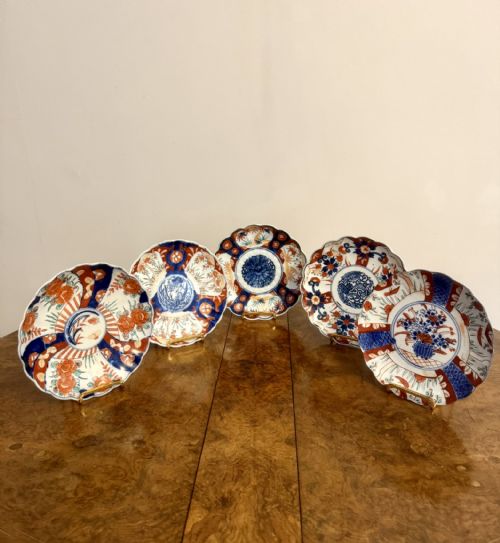
When you search for an antique china collection, you encounter group sets of Japanese Imari plates, Spode Italian pattern plates, and Doulton Burslem Lorna tureens. These multi-piece groupings offer a cohesive display aesthetic developed across the Georgian, Victorian, and later eras.
The most common versions met on this page are matched sets of Japanese Imari plates dating from around 1900, alongside English porcelain cabinet plates and utilitarian dinner services. Individual figurines like the Royal Doulton Abdullah also appear within this category.
Materials and manufacture
Pieces within these collections utilise ceramic, earthenware, and porcelain bodies shaped into plates, vases, tureens, and figurines. Glaze seals the porous clay foundations and provides a smooth, protective surface for subsequent ornamentation.
Decoration relies on applied enamel colours and gold leaf highlights fused to the ceramic body during firing. Japanese Imari pieces combine cobalt blue underglaze with iron-red and gilt overglaze motifs.
Antique China Collection Retail Price Guide 2026
Typical asking prices for china collection among the pieces listed under this phrase on Sellingantiques today, from the lower quarter to the upper quarter. They describe what is for sale here now, not the wider market.
Determinants of quality
Quality rests upon the crispness of the painted or transferred design and the uniformity of the glaze across every item in the set. Consistency within a multi-piece collection elevates an assembly of individual items into a unified display.
Maker attribution and period provenance heavily influence the standing of a collection. Named factories like Worcester, Spode, and Doulton Burslem command greater recognition than unmarked equivalents.
Barr Flight And Barr·Royal Doulton·Doulton Burslem·H J Hatfield And Sons·Spode
The Antique China Collection Glossary
- Imari
- A style of Japanese export porcelain characterised by a palette of underglaze blue, iron-red, and gilt. It gained immense popularity in European interiors during the late nineteenth and early twentieth centuries.
- Tureen
- A deep covered bowl used for serving soup, gravy, or vegetables at the dining table. Ceramic examples often feature matching undertrays and ornate side handles.
- Cabinet plate
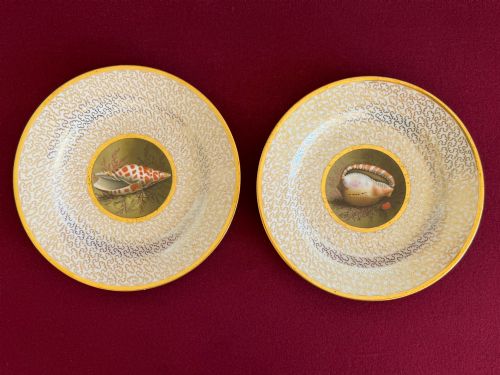
- A decorative ceramic plate intended for display in a cabinet or on a wall rather than for daily dining use. These pieces typically display intricate painted scenes or rich gilding.
- Biscuit
- Unglazed fired porcelain or ceramic possessing a matte, stone-like texture. It provides a tactile surface often utilised for figurines and sculptural works.
Antique China Collection: Frequently Asked Questions
What defines a matched antique china collection?
A matched collection comprises multiple pieces sharing identical decorative patterns, glaze formulas, and manufacturer marks created as a unified set.
Such groupings frequently include dinner services, sets of cabinet plates, or matching vases designed to be displayed together.
How are antique Imari plates identified?
Antique Imari pieces are recognised through their distinct palette featuring cobalt blue underglaze combined with rust-red and gold leaf overglaze details.
Most examples originating from the relevant period reflect Japanese Edo and Meiji aesthetic traditions adapted for Western export markets.
Can antique china collections be used for dining?
While utilitarian items like Georgian Spode plates were created for food service, older glazes and delicate overglaze enamels require careful handling.
Many collectors prefer to display these items in cabinets or on walls to preserve the painted decoration and gold leaf from wear.
How do I care for antique porcelain?
Antique porcelain and ceramic pieces should be kept away from direct sunlight and extreme temperature fluctuations to protect the glaze and enamel.
Hand washing in lukewarm water with mild detergent is recommended when cleaning is necessary, avoiding abrasive sponges or modern dishwashers.