




Antique Childs Horse
These antique childs horse pieces span carved wooden companions and fine art, offering enduring character to a room.
Antique Childs Horse
When you search for an antique childs horse, you encounter a varied selection ranging from full-sized wooden toys to framed watercolours, oil paintings, and bronze sculptures. These items capture childhood play and equestrian subjects across the nineteenth and twentieth centuries.
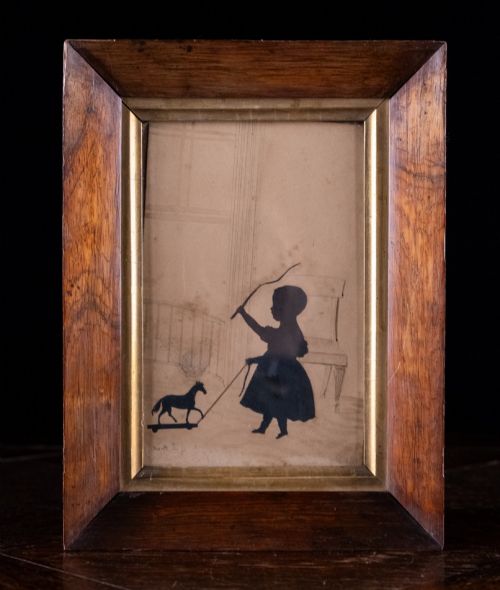
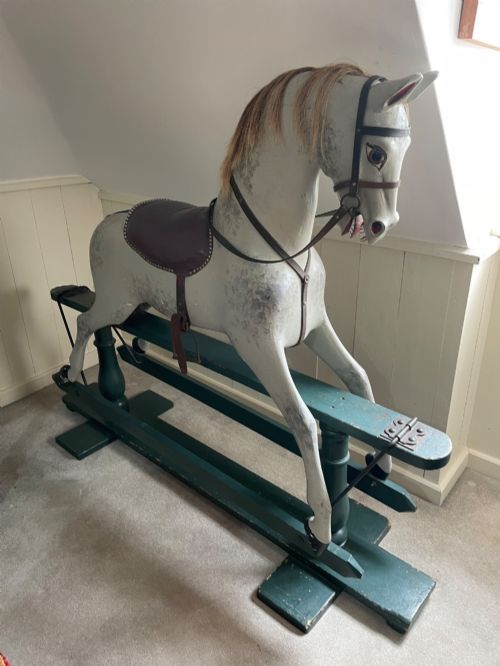
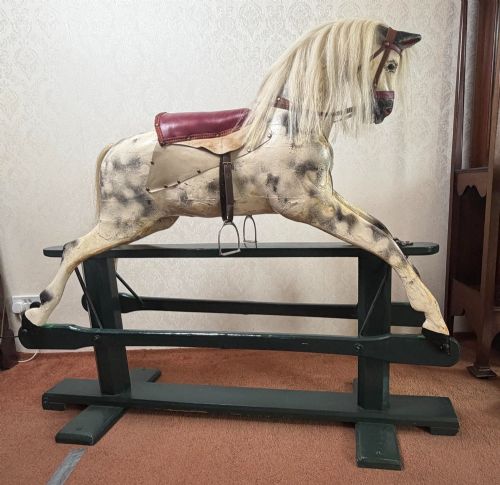
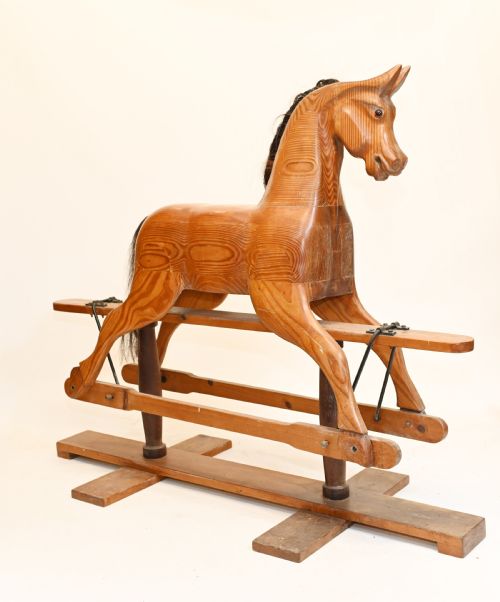
The version you meet most frequently on this page is the wooden rocking horse, often mounted on its original bow rocker or safety stand. Alongside these nursery toys appear pull-along toys, Staffordshire pottery figures, and Victorian equestrian portraits depicting young riders.
The selection includes works from the Victorian, Edwardian, and Regency eras, alongside later pieces from the nineteen-thirties and nineteen-forties. Together, these objects reflect both domestic playthings and fine art interpretations of children and horses.
What varies in quality
The distinction between ordinary items and finer examples rests upon the articulation of the carving, the survival of original paint, and the presence of authentic components like bow rockers and leather harnesses. Hand-carved wooden forms display varying degrees of anatomical detail.
In painted and fine art works, quality is evident in the handling of the medium by artists and makers. Pieces retaining their original surface finishes and early horsehair show greater integrity than later replacements.
Antique Childs Horse Retail Price Guide 2026
Typical asking prices for childs horse among the pieces listed under this phrase on Sellingantiques today, from the lower quarter to the upper quarter. They describe what is for sale here now, not the wider market.
Listings feature periods from the 19th Century through to 1950, utilising wood, horsehair, leather, metal, paper, paint, pine, and iron.
Augustin Edouart·Helena Maguire·John Alfred Wheeler·Xavier Raphanel·Collinsons
The Antique Childs Horse Glossary
- Bow rocker
- The curved wooden platform beneath a rocking horse that allows it to sway. These original bases are sought after by collectors.
- Pull-along toy
- A small horse mounted on a platform with wheels or runners, designed to be pulled by a child using a cord.
- Staffordshire pottery
- Earthenware figures produced in the Staffordshire potteries, often depicting children with animals during the nineteenth century.
- Equestrian portrait
- A painting or drawing featuring a person on horseback. These works frequently document children with ponies.
- Horsehair
- Natural hair harvested from the mane and tail of horses, utilised historically for stuffing and for the manes of toy horses.
Antique Childs Horse: Frequently Asked Questions
What periods do these horses come from?
The pieces span the nineteenth and twentieth centuries, with items originating from the Victorian and Edwardian eras through to the nineteen-forties and fifties.
Dates are determined by construction methods, materials, and stylistic markers recorded across the listings.
Are all the wooden horses designed for rocking?
Not every wooden horse functions as a rocking toy. While bow rocker and safety stand rocking horses form a large part of the selection, pull-along toys with wheels also appear.
Each form served a different purpose in historic nurseries and playrooms.
How do I identify a Staffordshire pottery figure?
Staffordshire pottery pieces are ceramic figures modelled and hand-painted in traditional kilns. They often depict groups such as children with horses.
These ceramic items differ entirely from carved wooden toys and flat artwork.
What materials were used for the manes?
Historic toy makers utilised genuine horsehair to form the manes and tails of wooden rocking horses and pull-along toys. This natural material provides a distinct texture compared to synthetic substitutes.
Survival of original hair contributes to the character of the piece.