





Antique Childs Dining Chair
These antique childs dining chair pieces offer miniature scaling of period dining furniture, built for the youngest family members at the table.
Antique Childs Dining Chair
When you search for an antique childs dining chair, you look at scaled-down seating designed to match full-sized dining room furniture. These pieces replicate the styles of their adult counterparts, ranging from country vernacular forms to refined revival designs.
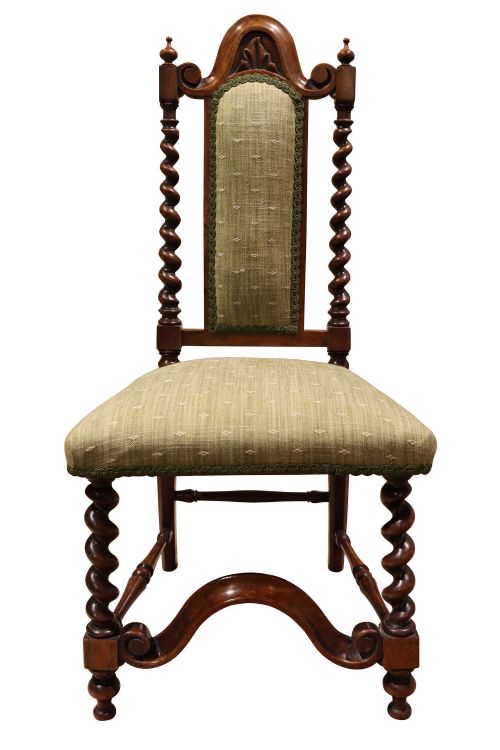
You are most likely to meet Victorian and Georgian revival examples on this page, often built as open armchairs, carver chairs, or high chairs. The forms span simple rush-seated ladderbacks to polished mahogany frames with upholstered seats.
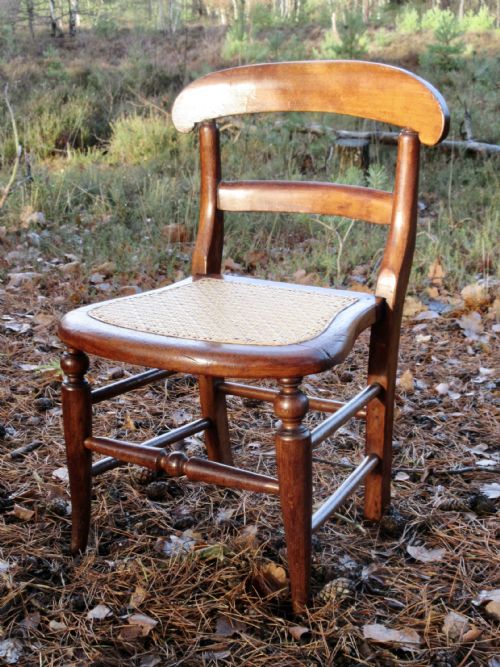
The evidence shows periods stretching from the Georgian era through the Regency, Victorian years, and into the early twentieth century. Materials include walnut, mahogany, oak, cane, and rush, reflecting the domestic habits of each period.
Materials and construction
Cabinetmakers built an antique childs dining chair using timber such as mahogany, walnut, and oak, often shaping the frames with turned supports or carved details. Joinery followed standard furniture-making traditions of the period, ensuring sturdy construction for daily use.
Antique Childs Dining Chair Retail Price Guide 2026
Typical asking prices for childs dining chair among the pieces listed under this phrase on Sellingantiques today, from the lower quarter to the upper quarter. They describe what is for sale here now, not the wider market.
Listings feature mahogany, walnut, oak, leather, cane, and rush across Victorian, Georgian, and twentieth-century periods.
Judging quality and proportion
The best examples of an antique childs dining chair maintain correct architectural proportions rather than looking like crude miniatures. Master cabinetmakers paid the same attention to timber selection and joint placement as they did for adult dining furniture.
Refined carving, well-turned legs, and high-grade primary timbers separate superior pieces from simpler utilitarian seating. Surface finish and the integrity of original seating materials, whether leather, cane, or rush, also influence the character of the piece.
The Antique Childs Dining Chair Glossary
- Ladderback
- A chair back featuring horizontal slats between the upright posts. This traditional vernacular form appears frequently in country seating.
- Carver chair
- An open armchair designed for the head of a table or for dining use. These pieces often feature scrolling arms and sturdy wooden frames.
- Barley twist
- A turned decorative woodwork detail resembling a twisted rope. This technique was popular during the Victorian period.
- Rush seat
- A seating surface woven from dried marsh grasses. This traditional method provides a durable and flexible base.
- Queen Anne style
- A furniture design movement characterised by cabriole legs and pad feet. Revival pieces draw on these earlier eighteenth-century aesthetics.
Antique Childs Dining Chair: Frequently Asked Questions
Are these chairs safe for children?
While these pieces were originally built for children, antique furniture is primarily collected for display and historical value. Modern safety standards for children's furniture differ significantly from nineteenth-century manufacturing.
Buyers usually acquire these items for decorative purposes or gentle domestic display rather than heavy modern use.
How do I date an antique childs dining chair?
Dating relies on stylistic clues, timber choice, and construction techniques visible in the frame. Periods range from Georgian designs to Victorian walnut examples and 1920s revivals.
Comparing the turned details, upholstery style, and wood patination with standard period furniture helps narrow down the decade of manufacture.
What is the difference between a high chair and an armchair?
High chairs were constructed with elevated legs to allow a small child to reach standard table height. They often included footrests or enclosed protective barriers.
Standard armchairs and carver chairs sat lower to the ground, mirroring the proportions of miniature dining seats rather than feeding chairs.
How should I clean a wooden childs chair?
Maintenance requires gentle dusting with a soft, dry cloth to protect the aged timber and historic polish. Avoid harsh modern cleaning agents or excessive moisture.
Preserving the natural patination on mahogany, walnut, and oak maintains the visual integrity of the antique surface.