



Antique Child Print
An antique child print captures the innocence of youth through historic paper, engraving and portraiture.
Antique Child Print
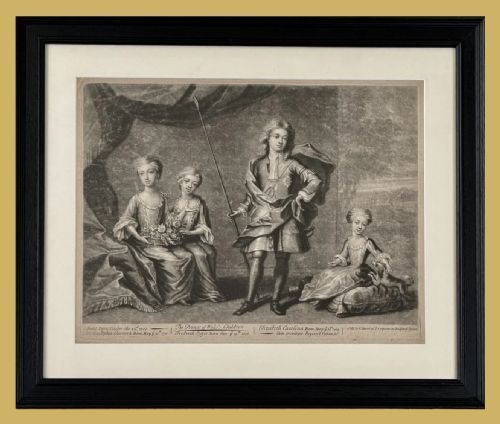
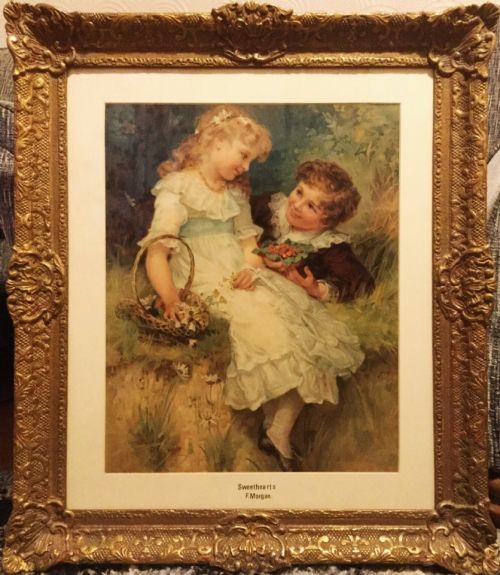
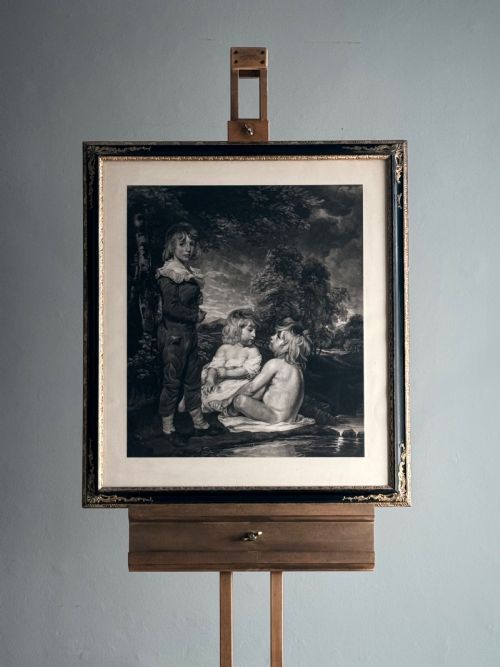
When you search for an antique child print, you encounter framed paper works, engravings and mezzotints depicting young subjects. These pieces span the eighteenth, nineteenth and early twentieth centuries, reflecting changing domestic ideals across different eras.
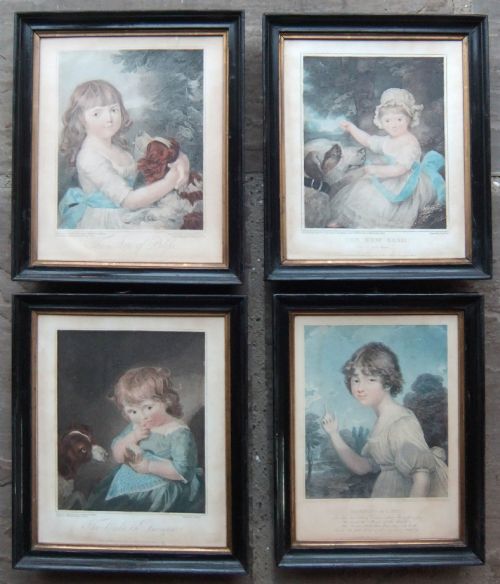
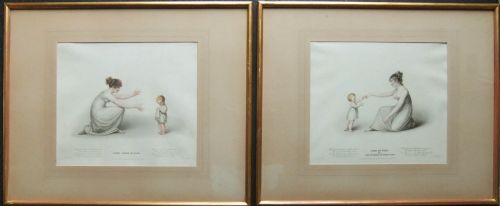
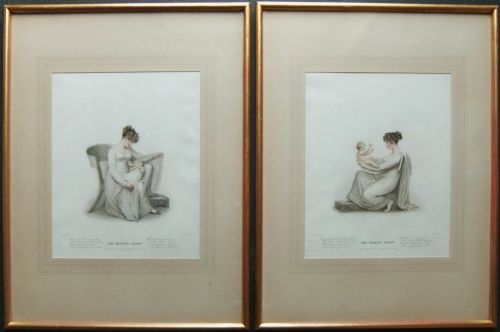
The most common versions on this page are Victorian and Georgian framed prints, stipple engravings and advertising plates. Makers frequently reproduced paintings by prominent artists such as Adam Buck or Sir Joshua Reynolds for middle-class homes.
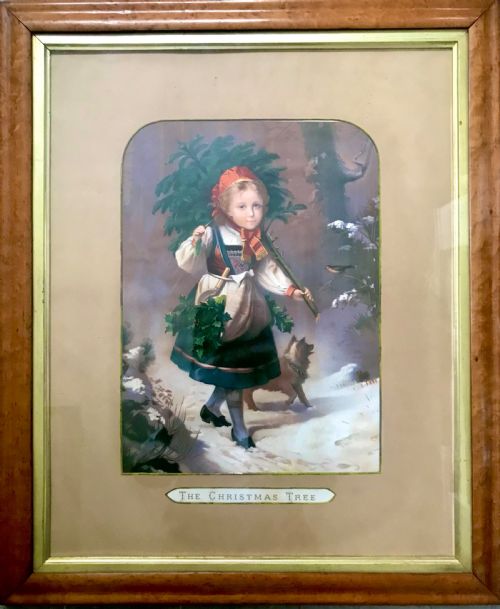
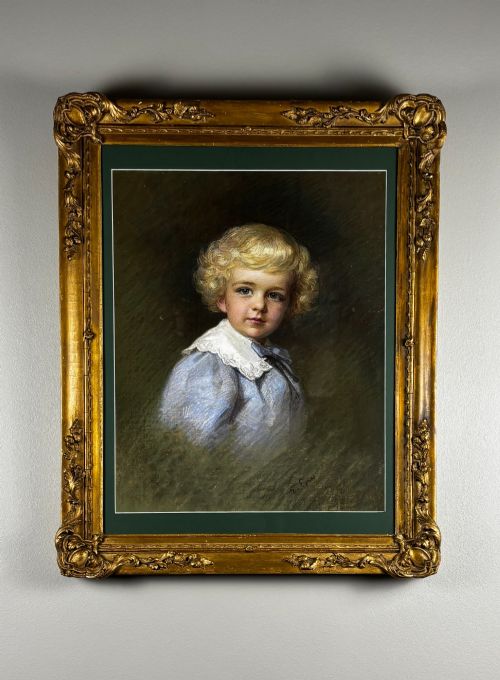
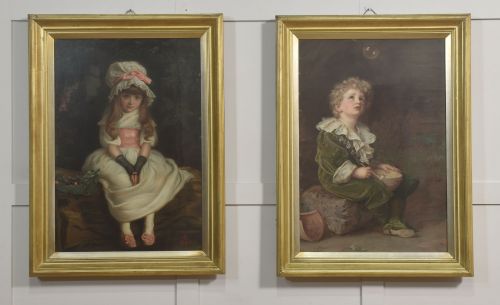
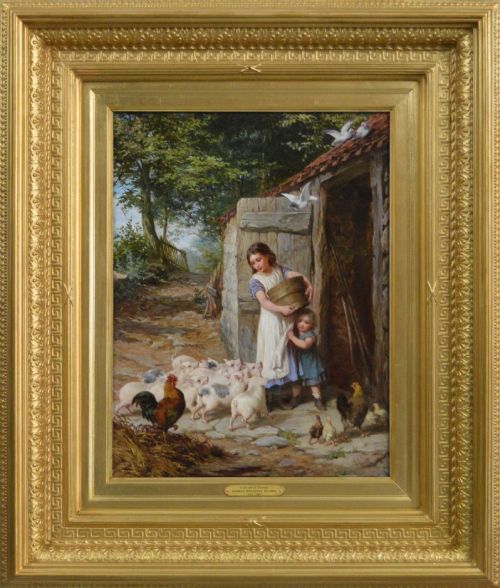
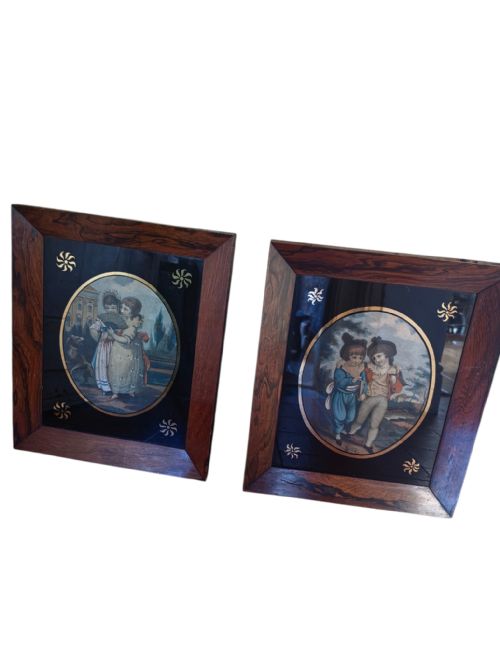
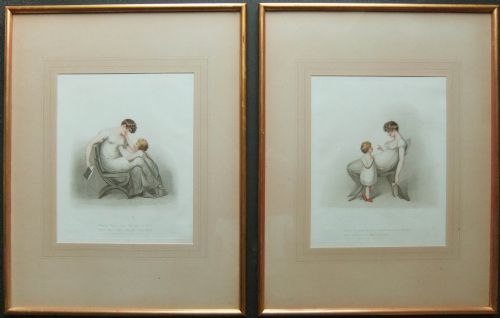
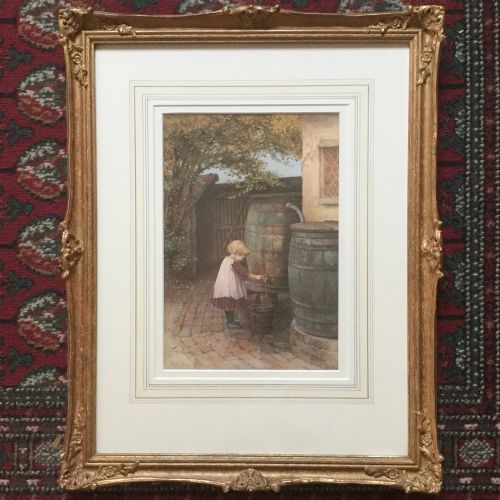
Subjects range from pastoral mothers with babies to children at play, bathing or posing with pets. Oval portraits and pairs of framed engravings recur across the periods recorded in the listings.
Materials and Production Techniques
These works rely on paper surfaces marked by engraving, mezzotint, lithography or chromolithography. Publishers and artists transferred painted compositions onto paper plates using detailed ink techniques.
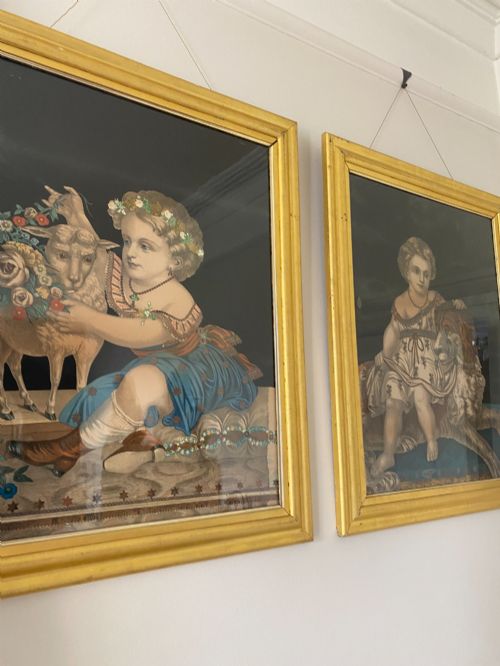
Framing materials include wood, rosewood, gilt, gold leaf and gesso, often housing protective glass over the fragile paper. Some pieces feature metal embellishments applied to the clothing depicted within the image.
Ceramic items such as pearlware plates and mugs also appear, utilising transfer-printing methods on earthenware bodies to portray juvenile themes.
Antique Child Print Retail Price Guide 2026
Typical asking prices for child print among the pieces listed under this phrase on Sellingantiques today, from the lower quarter to the upper quarter. They describe what is for sale here now, not the wider market.
Some nineteenth-century child prints feature unexpected metal embellishments hand-applied directly onto the subjects' clothing.
Distinctions in Quality
Quality rests upon the crispness of the original impression and the skill of the engraver or lithographer. Fine stipple engravings and early mezzotints retain sharper detail than mass-produced later oleographs.
The preservation of the paper surface and the integrity of the surrounding gilt wood or rosewood frame influence the overall standard. Original framing with intact gesso enrichments elevates a piece above later replacements.
The artistic pedigree of the source painting matters greatly, with works after established portraitists commanding deeper visual interest than generic commercial prints.
George Augustus Holmes·Adam Buck·James Ward·John Hoppner·Charles Edward Wilson·Sir Joshua Reynolds·Sir Thomas Lawrence·Karl Feiertag
The Antique Child Print Glossary
- Mezzotint
- A printmaking process of the intaglio family where the plate is roughened to achieve rich tonal gradations. It allows for subtle light and shadow in portraits.
- Stipple engraving
- A technique using dots of varying density to render tonal shades rather than continuous lines. Eighteenth-century artists often used this method for delicate flesh tones.
- Chromolithography
- A planographic colour printing method using multiple limestone blocks for each hue. This allowed publishers to issue vibrant reproductions of paintings.
- Crystoleom
- A Victorian method of applying a paper print to glass, making it translucent, and then hand-painting the reverse side. The finished work sits under convex glass.
- Pearlware
- A fine earthenware developed in the late eighteenth century with a slightly bluish glaze. It served as a refined canvas for printed nursery scenes.
Antique Child Print: Frequently Asked Questions
What periods do these prints cover?
The listings span from the eighteenth century through the Victorian and Edwardian eras up to the mid-twentieth century. Georgian and Regency examples sit alongside later Victorian productions and twentieth-century advertising pieces.
Each period brought distinct framing choices, from simple rosewood to ornate gilt wood and gesso mouldings.
How were these prints originally displayed?
Middle-class families hung framed portraits and genre scenes in parlours, nurseries and hallways. Publishers designed them to bring moral instruction and sentimental charm into the domestic interior.
Pairs of engravings, such as companion pieces by Adam Buck, were often hung side by side to tell a short visual story.
Are all items on paper?
While the majority consist of paper prints, engravings and lithographs under glass, the category also includes ceramic children's plates and mugs. These earthenware objects feature transfer-printed juvenile subjects suited for everyday nursery use.
Framing materials also vary, incorporating wood, gilt, gold leaf and occasional metal embellishments.
How do I care for an antique print?
Keep paper works away from direct sunlight to prevent fading of the inks and yellowing of the paper support. Maintaining stable indoor humidity protects both the fragile sheet and the historic wooden frame.
Ensure the glass remains sealed to prevent dust and moisture from settling on the surface of the engraving or lithograph.