

Antique Chesterfield Couch
An antique chesterfield couch brings deep-buttoned leather and traditional English comfort into a room.
Antique Chesterfield Couch
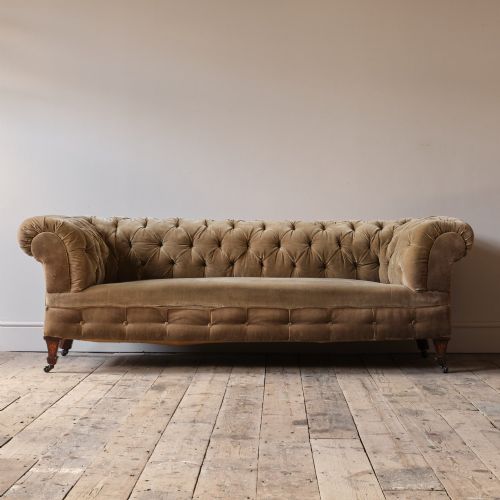
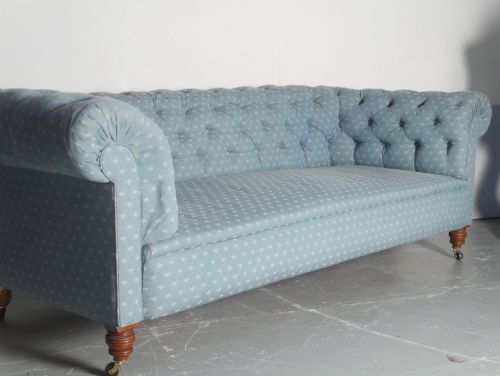
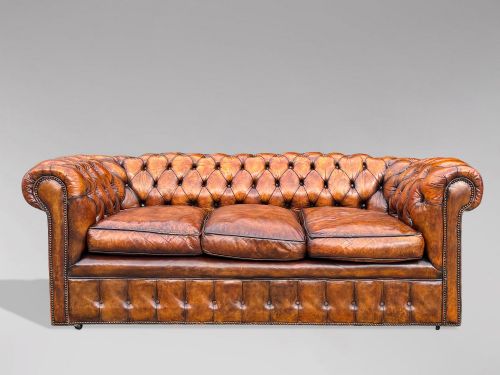
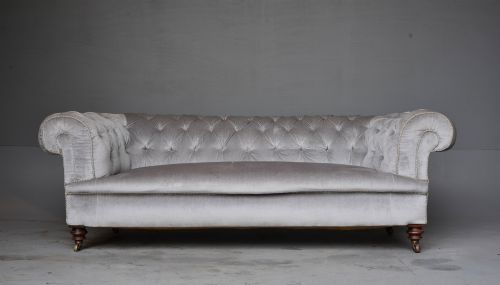
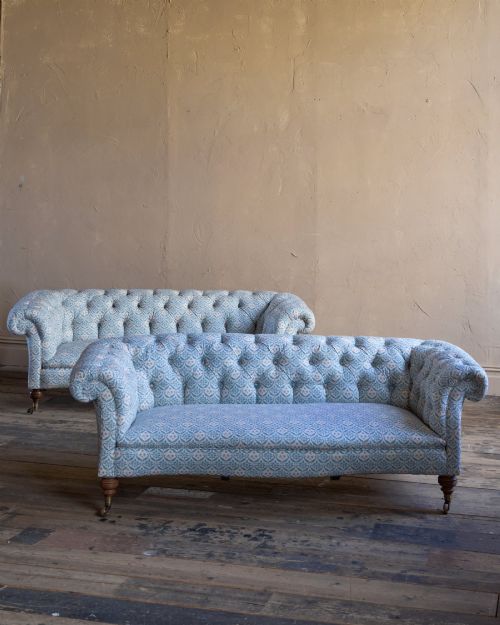
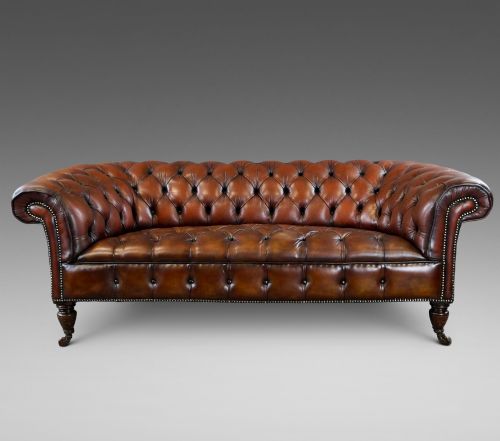
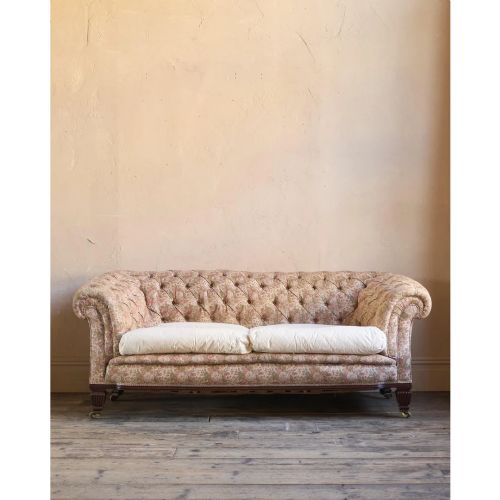
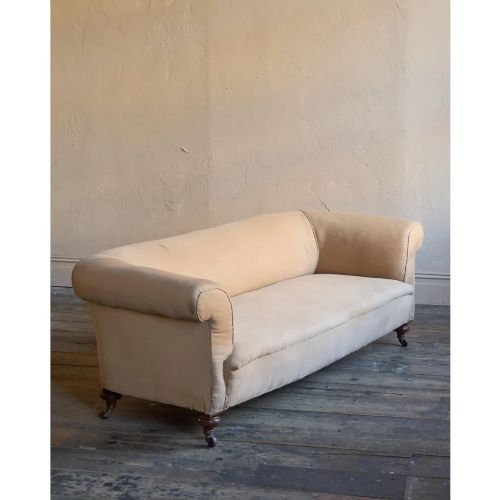
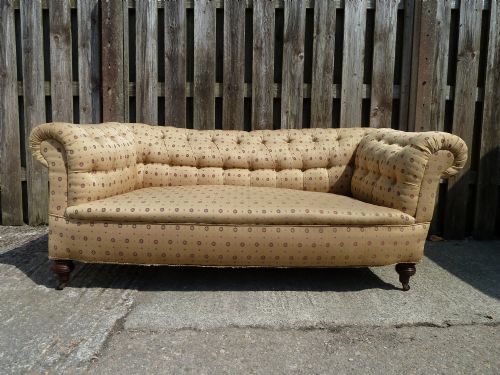
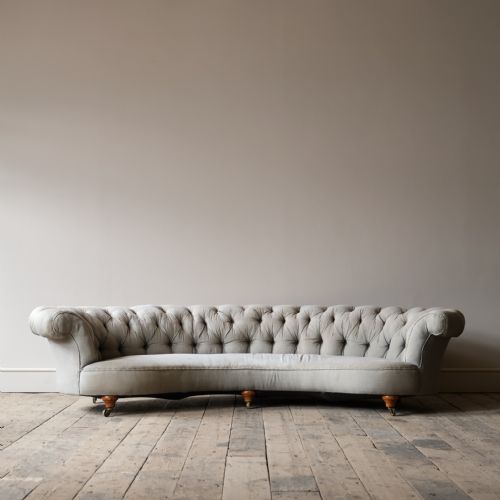
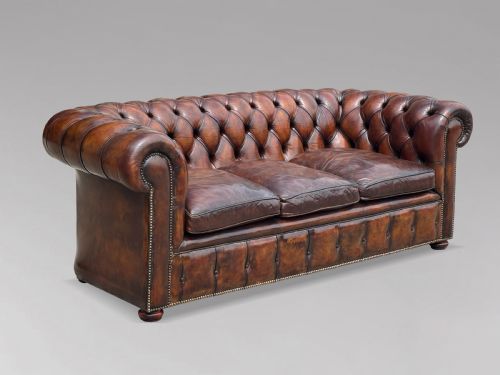
An antique chesterfield couch is a deep-buttoned seating piece designed for formal rooms and English country houses. These items appear primarily as nineteenth century Victorian sofas, alongside Edwardian and early twentieth century examples.
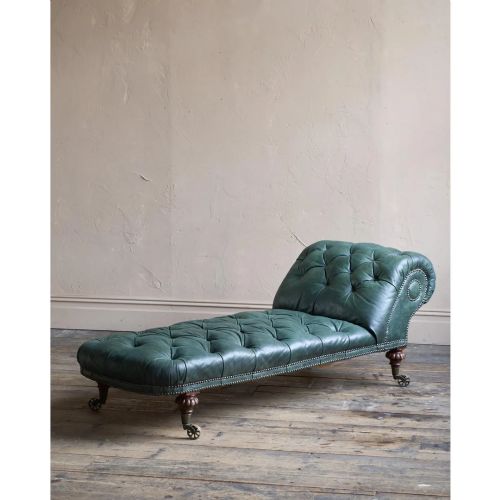
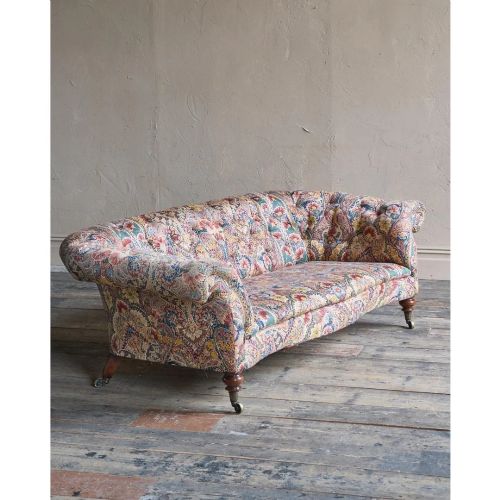
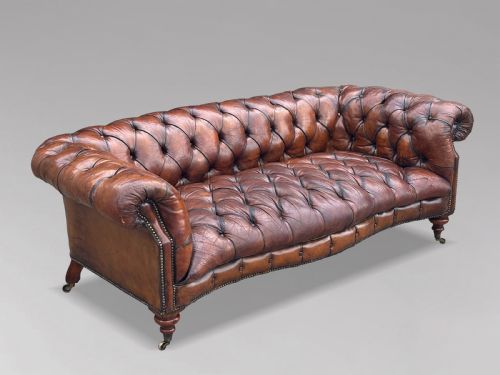
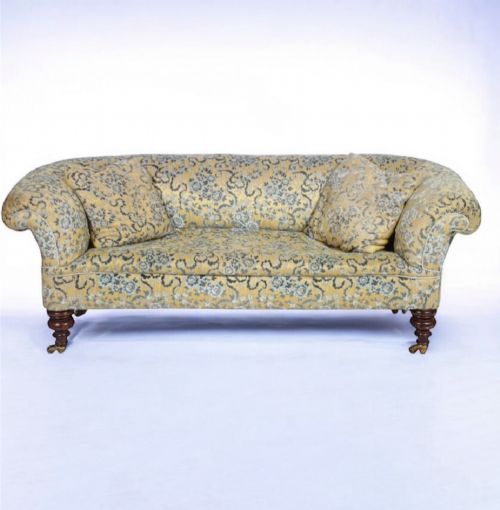
The form encompasses traditional three-seater sofas, serpentine and crescent shapes, corner sofas, and chaise longues. Buyers meet brown leather, green leather, red leather, and fabric upholstery across the selections.
Materials and construction
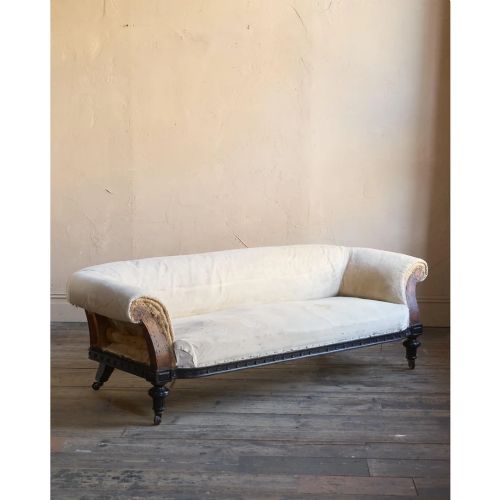
The construction utilises timber frames built from mahogany and general wood, paired with metal and brass details. Artisans incorporated horse hair stuffing and coil springing beneath the outer layers.
Upholstery consists of leather, fabric, and velvet, with specific pieces featuring raw leather prepared for hand dyeing. Deep buttoning defines the classic surface texture across these seating forms.
Antique Chesterfield Couch Retail Price Guide 2026
Typical asking prices for chesterfield couch among the pieces listed under this phrase on Sellingantiques today, from the lower quarter to the upper quarter. They describe what is for sale here now, not the wider market.
Listings feature nineteenth century Victorian pieces alongside Edwardian, Regency, and early twentieth century items upholstered in leather, velvet, and fabric.
What separates the grades
Quality rests upon the integrity of the underlying frame and the retention of original stuffing such as horse hair. Pieces bearing maker stamps from prominent workshops command greater attention from collectors.
The condition of the leather, whether preserved in an un-restored state or finished with hand-dyed treatments, dictates the character and visual depth of each individual couch.
Howard and Sons·Jas Shoolbred·Gillows·Hampton and Sons
The Antique Chesterfield Couch Glossary
- Chesterfield
- A traditional upholstered sofa distinguished by deep buttoning and rolled arms of equal height to the back.
- Chaise Longue
- An upholstered couch shaped for reclining, featuring a backrest at one end.
- Mahogany
- A durable tropical hardwood utilised for structural frames and visible wooden elements.
- Horse Hair
- A traditional organic stuffing material employed for padding seats and backs before modern foams.
- Serpentine
- A furniture outline characterised by a gentle undulating curve.
Antique Chesterfield Couch: Frequently Asked Questions
How do I identify a Victorian chesterfield?
Victorian examples date from the nineteenth century and typically feature traditional deep-buttoned leather upholstery over sturdy timber frames. Look for period construction methods such as hand-tied coil springing and horse hair stuffing.
The overall silhouette follows classic English forms, often presenting in rich brown or green leather with rolled arms. Maker stamps or labels beneath the frame can further confirm the nineteenth century origin.
What is hand dyed leather?
Hand dyed leather involves applying colour by hand to raw or previously stripped leather hides. This technique creates a rich, aged patina with subtle tonal variations across the surface of the couch.
Restorers and makers utilise this method to replicate traditional whiskey brown and deep reddish hues found on antique seating. It allows buyers to select specific colour tones while maintaining a period aesthetic.
Are these couches comfortable for daily use?
These seating pieces offer firm support due to traditional coil springing and dense horse hair packing. The deep seats and padded arms suit relaxed sitting as well as formal drawing-room use.
Over decades of use, internal components settle differently, so individual comfort depends on the specific restoration history of each couch. Many examples provide ample length for reclining or traditional lounging.
How should I care for antique leather?
Preserving antique leather requires regular dusting with a soft cloth and occasional treatment with appropriate conditioning balms. Keep the leather away from direct sunlight and heat sources to prevent drying and cracking.
Allowing the material to maintain its natural oils ensures the vintage surface patina survives intact. Avoid harsh chemical cleaners that might strip the historic dye or finish.