

Antique Chest of Drawers with Desk
An antique chest of drawers with desk combines storage with a writing surface, bringing dual function and period timber to a room.
Antique Chest of Drawers with Desk
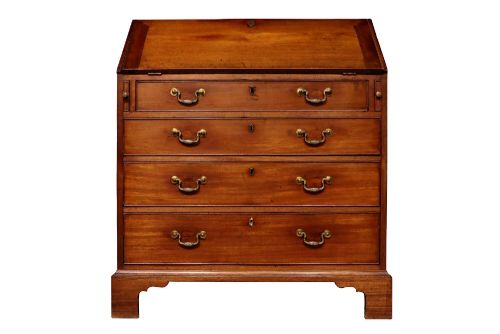
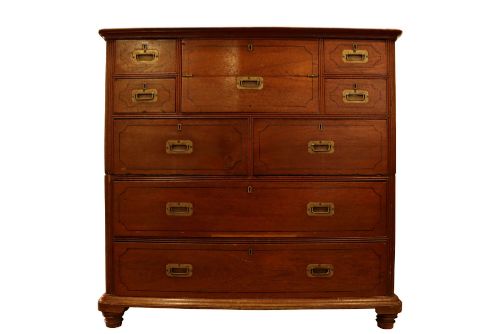
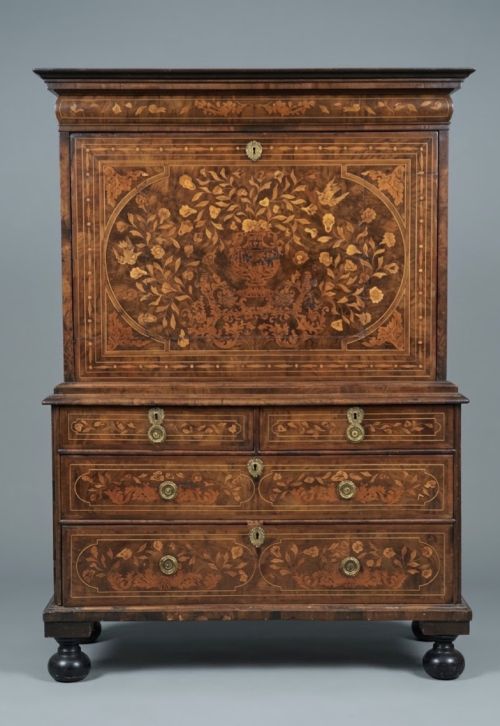
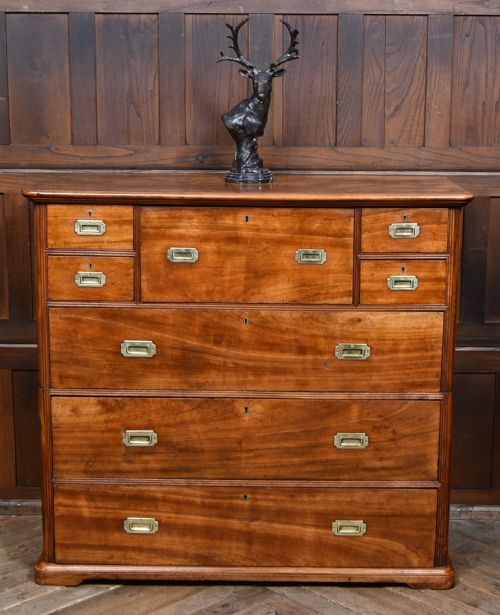
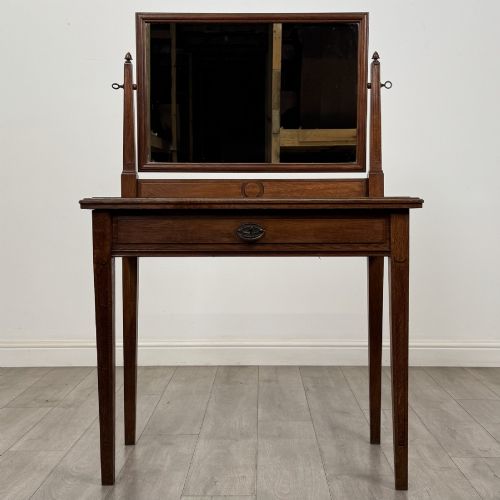
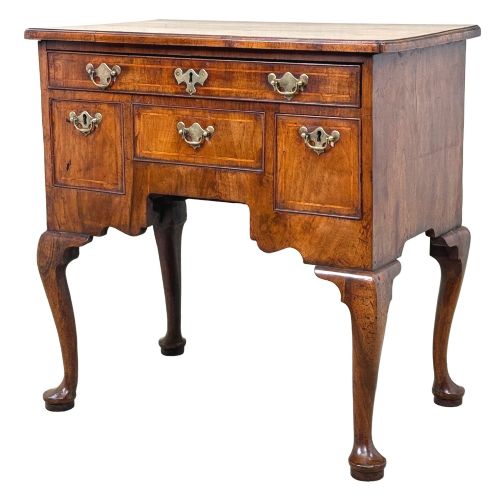
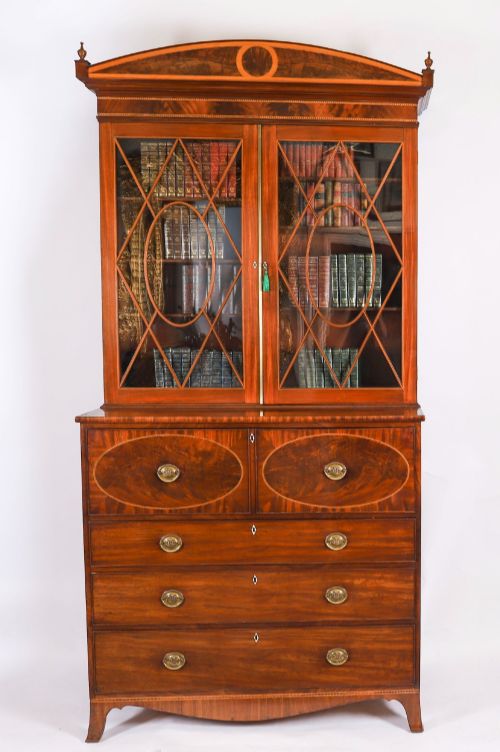
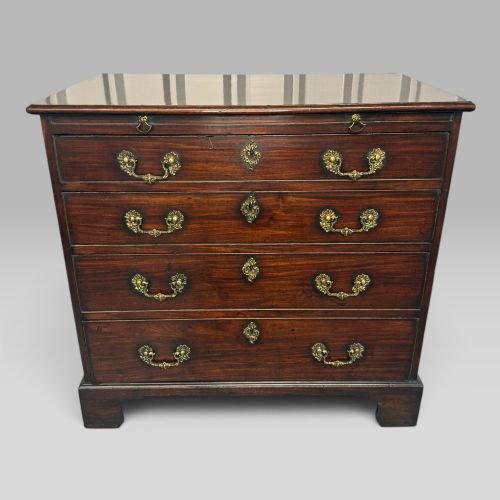
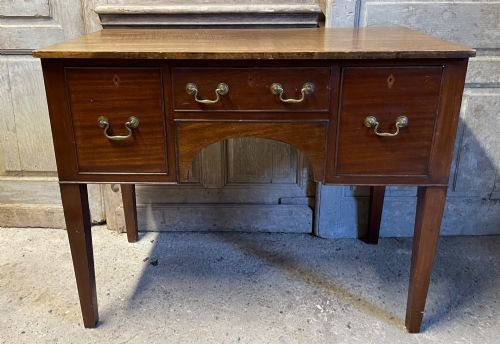
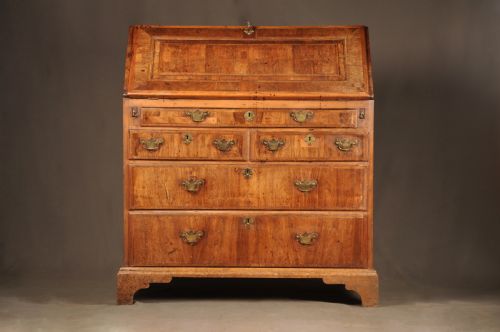
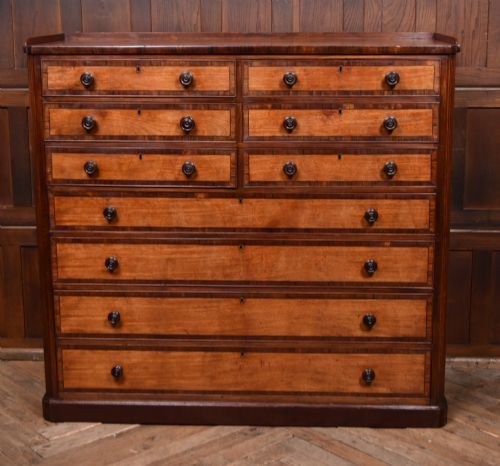
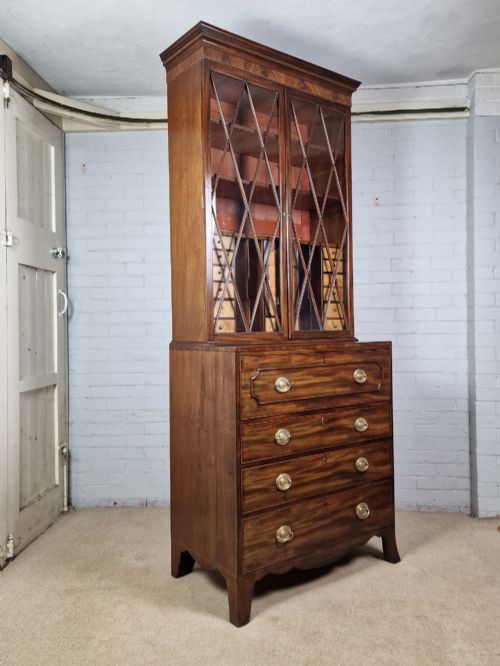
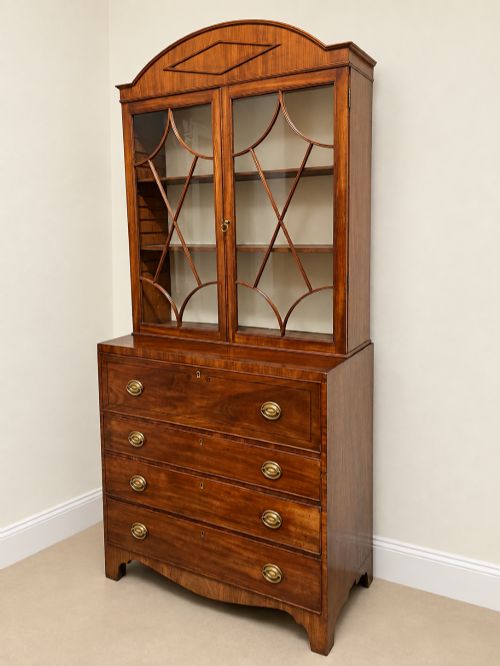
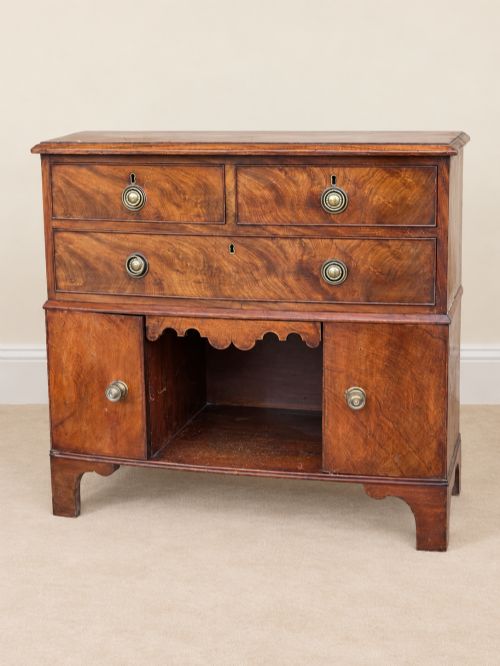
An antique chest of drawers with desk appears primarily as a bureau, secretaire, or kneehole desk spanning the seventeenth century through to the Edwardian era. These pieces merge compartmentalised storage with a fall-front flap, sliding slope, or fitted drawer that pulls out to form a writing surface.
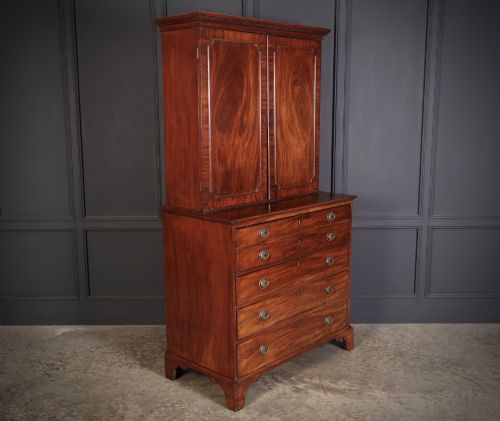
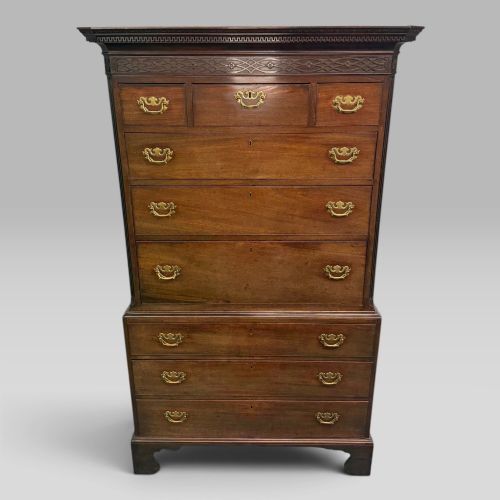
The version most commonly met on this page is the Georgian mahogany or walnut bureau, typically featuring graduated drawers beneath a sloping writing lid. Variations also include tall secretaire bookcases, compact Edwardian burr walnut designs, and seventeenth-century oak examples with elaborate internal compartments.
Materials and Construction
Cabinetmakers utilised solid timbers and veneers of mahogany, oak, walnut, and burr walnut over pine or oak secondary woods. Timber selection dictated the character of the piece, with figured grains chosen for prominent exterior surfaces like fall-fronts and drawer fronts.
Joinery techniques relied on hand-cut dovetails for drawer construction and pegged mortise and tenon joints for structural frames. Brass hardware, including drop handles, escutcheons, and original ironwork, was secured to drawers that often retained handmade linings.
Interior fittings incorporated small drawers, pigeonholes, and occasionally secret compartments behind sliding panels, whilst writing surfaces utilised inset leather or plain timber writing slopes.
Antique Chest of Drawers with Desk Retail Price Guide 2026
Typical asking prices for chest of drawers with desk among the pieces listed under this phrase on Sellingantiques today, from the lower quarter to the upper quarter. They describe what is for sale here now, not the wider market.
Secret compartments hidden behind sliding pigeonhole dividers in eighteenth-century walnut bureaux still occasionally contain forgotten old letters.
Quality and Distinction
Depth of grain figure and timber selection dictate visual standing, with burr walnut and highly figured mahogany denoting superior examples. The intricacy of internal pigeonholes and small drawers reflects the original investment in labour and design.
Survival of original brass hardware, working locks, and fitted leather writing surfaces separates untouched examples from heavily restored ones. Proportions and the crispness of cabinetwork also distinguish standard regional pieces from workshop-attributed items.
Gillows·Heals
The Antique Chest of Drawers with Desk Glossary
- Bureau
- A desk with a sloping lid that opens to reveal a fitted interior of small drawers and pigeonholes above a chest of drawers.
- Secretaire
- A piece of furniture incorporating a concealed writing drawer or pull-out flap that drops down to form a desk.
- Fall-front
- A hinged writing flap that pulls down from a vertical position to rest at a horizontal angle for writing.
- Kneehole desk
- A small writing desk featuring a central recess for the legs, flanked by pedestals of small drawers.
- Escutcheon
- A protective plate surrounding the keyhole of a drawer or cabinet door, frequently cast in brass.
Antique Chest of Drawers with Desk: Frequently Asked Questions
What is the difference between a bureau and a secretaire?
A bureau typically uses an angled fall-front lid that opens down to expose internal compartments above standard chest drawers.
A secretaire conceals its writing surface behind a drawer front that pulls straight out and drops forward on hinges.
How do I identify a Georgian bureau?
Georgian pieces display hand-cut dovetails on oak drawer linings, dense mahogany or walnut timber, and bracket or ogee feet.
Their interiors often feature stepped pigeonholes and central lockable compartments with secret drawers.
Where should I place a desk chest in a modern room?
These compact pieces fit well in studies, bedrooms, or living spaces where floor area is restricted.
Keep them away from direct sunlight and heat sources to protect antique wood and leather writing surfaces.
Are the writing surfaces usually original?
Many eighteenth-century pieces utilised bare timber writing slopes rather than upholstered inserts.
Where leather surfaces appear on later models, they may represent period replacements or modern restorations matching traditional methods.