

Antique Cherub Painting
When you search for an antique cherub painting, you enter a world of putti, allegorical oils, and devotional canvases spanning the eighteenth and nineteenth centuries.
Antique Cherub Painting
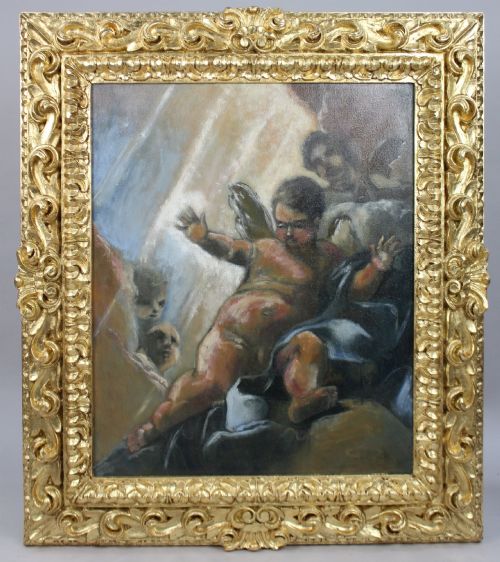
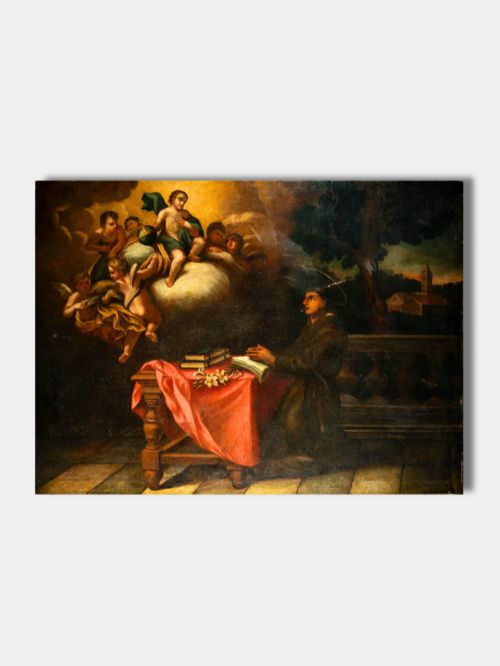
An antique cherub painting brings classical mythology and religious iconography into domestic interiors through oil on canvas, grisaille, and watercolour. These works depict winged infants, putti, and celestial figures drawn from Baroque and Rococo traditions.
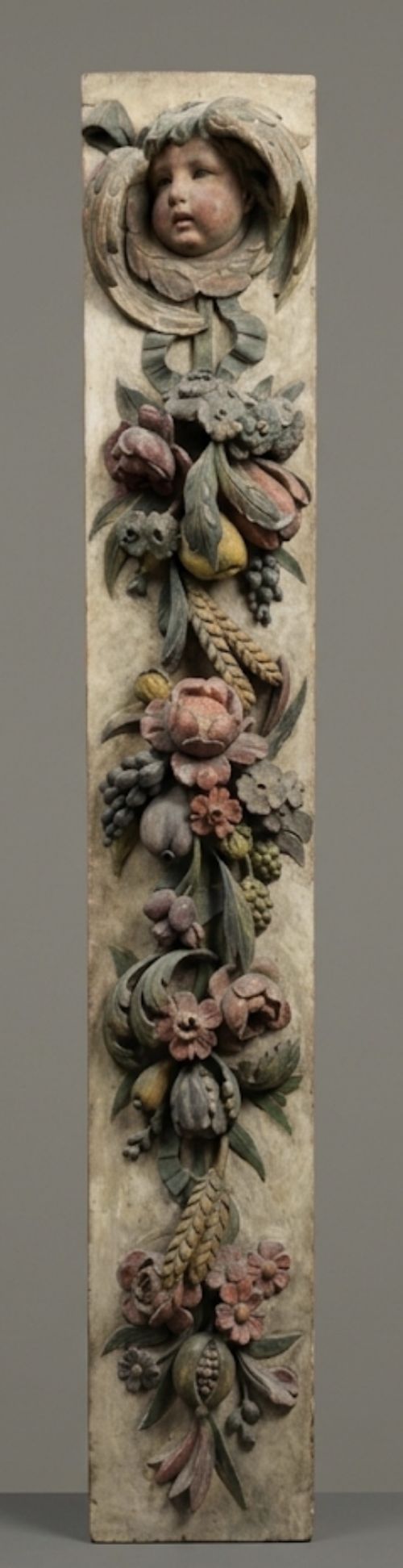
You will most frequently encounter nineteenth-century interpretations on this page, alongside eighteenth-century works and later revivals. The compositions range from trompe l'oeil panels of cherubs playing to devotional scenes set within ornate frames.
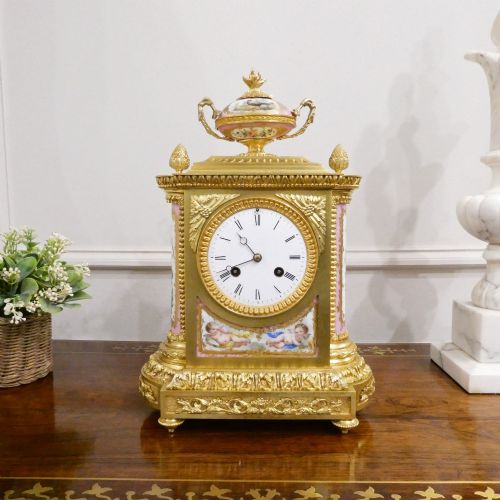
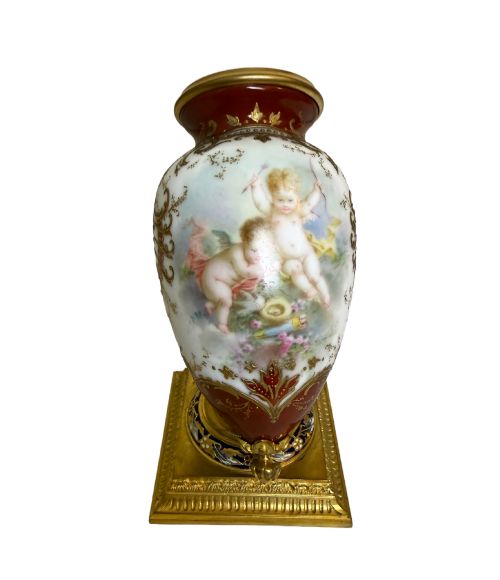
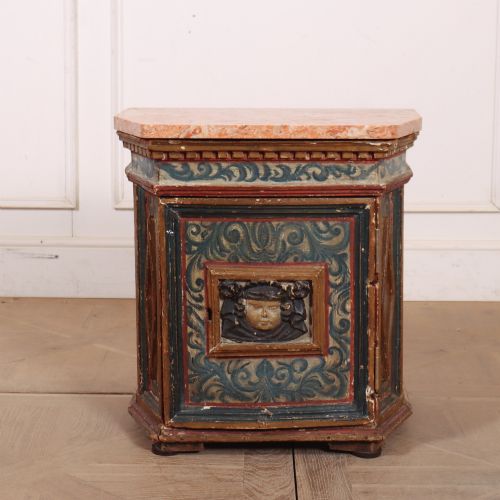
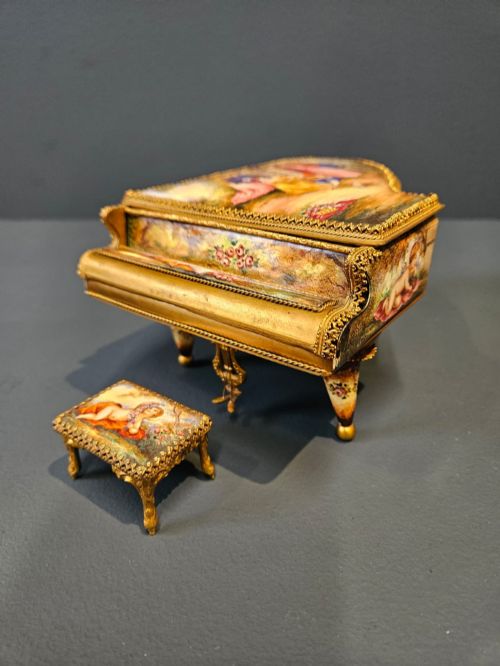
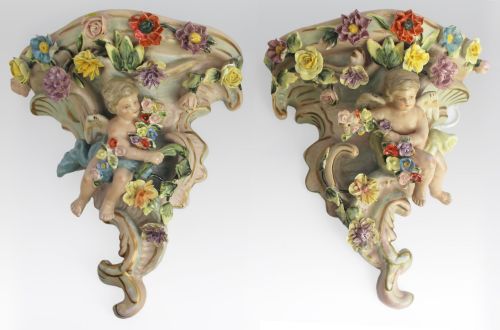
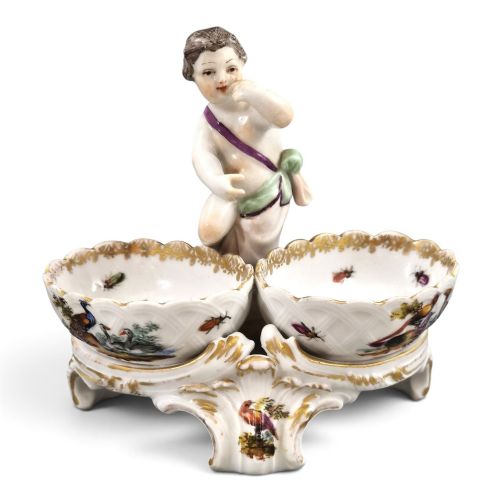
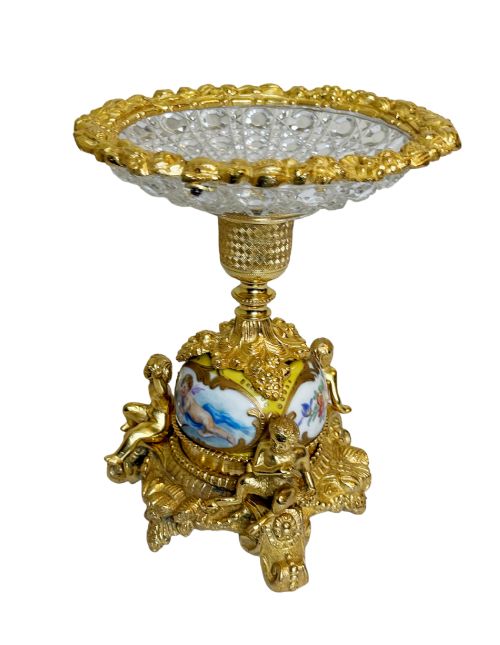
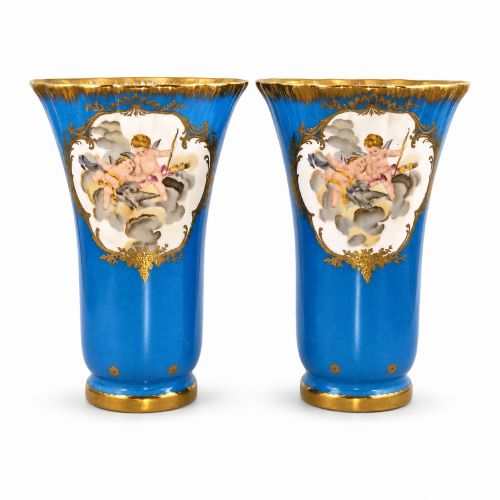
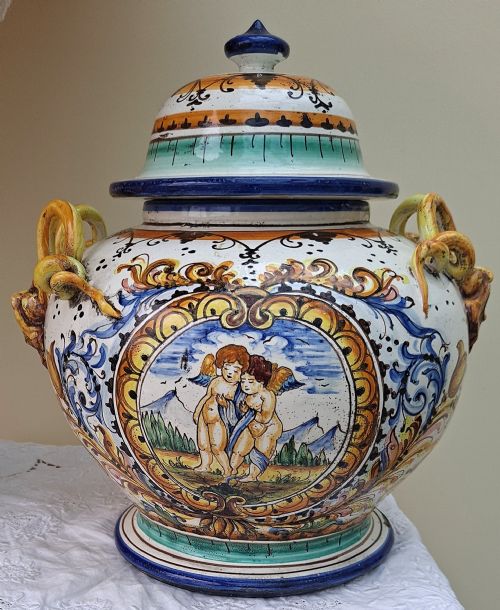
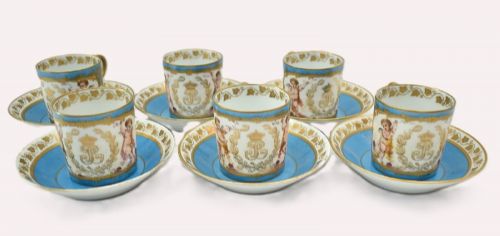
The phrase encompasses both direct canvas paintings and painted porcelain plaques or decorative panels featuring cherubic motifs. Each piece reflects the enduring popularity of mythological innocence from the seventeenth century onwards.
Materials and Technique
Painters used oil on canvas, gouache, and watercolour applied with fine brushes to build up the flesh tones and drapery of the figures. These pigments were often set within carved giltwood frames or integrated into larger decorative schemes.
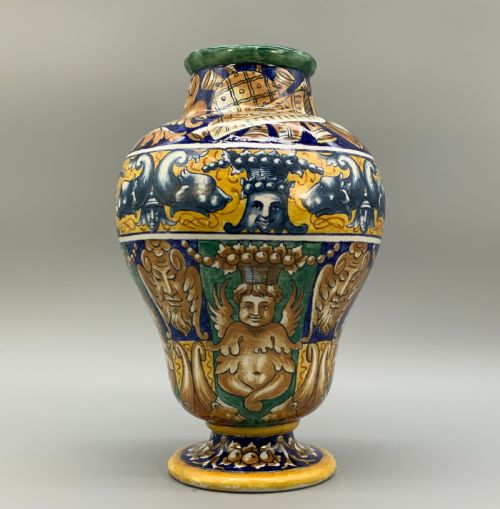
Support materials include woven canvas, wooden panels, and heavy paper, while related pieces employ ceramic surfaces like porcelain and faience with hand-painted enamel decoration. The craftsmanship relies on traditional mixing of ground pigments with oils or water-based binders.
Listings feature oil on canvas, porcelain plaques, and watercolours from the eighteenth and nineteenth centuries.
Assessing Quality
Quality rests upon the anatomical precision of the figures and the fluidity of the brushwork in rendering facial expressions and drapery. Superior works display a sophisticated handling of light and shadow that gives depth to the infant forms.
The integrity of the supporting frame, whether carved giltwood or gesso, contributes significantly to the overall merit of a canvas. Finer examples maintain their original surface pigment without extensive overpainting or structural compromise.
Jean-Baptiste Delettrez·Harry M Jonas·Jean Baptiste Isabey
The Antique Cherub Painting Glossary
- Putto
- A plump, naked male child depicted in classical art, often winged, which is frequently termed a cherub in later decorative contexts.
- Grisaille
- A painting executed entirely in shades of grey or neutral monochrome, often designed to imitate sculpture.
- Trompe l'oeil
- An art technique that uses realistic imagery to create the optical illusion that the depicted objects exist in three dimensions.
- Giltwood
- Wood that has been treated with a thin layer of gold leaf or gold paint, commonly used for decorative picture frames.
- Faience
- Tin-glazed earthenware produced in Europe, frequently decorated with hand-painted mythological scenes or figures.
Antique Cherub Painting: Frequently Asked Questions
What is an antique cherub painting?
An antique cherub painting is a historic artwork depicting winged infants or putti, typically produced in oil on canvas or watercolour during the eighteenth or nineteenth century.
These pieces draw on classical mythology and religious art traditions, serving as decorative wall art within ornate frames.
How do I date an antique painting?
Dating involves examining the canvas weave, the composition style, the framing methods, and the specific pigments used by the artist. Stylistic traits often point towards periods like the Rococo Revival or the Victorian era.
Comparative analysis with documented works by known schools or artists provides further chronological context.
Where were these paintings displayed?
These artworks were traditionally housed in drawing rooms, private chapels, and formal reception rooms of European residences. They functioned as focal points on panelled walls or above mantelpieces.
Collectors today place them in similar domestic settings to highlight classical interior aesthetics.
Are cherubs and putti the same?
While often used interchangeably today, putti specifically derive from classical antiquity representing secular spirits of love, whereas cherubs belong to celestial angelic hierarchies.
Both motifs became widely popular in Renaissance and Baroque painting, continuing into nineteenth-century revivals.