



Antique Cherub Ornaments
These antique cherub ornaments bring winged putti into interiors and gardens through bronze, porcelain and lead figures spanning centuries.
Antique Cherub Ornaments
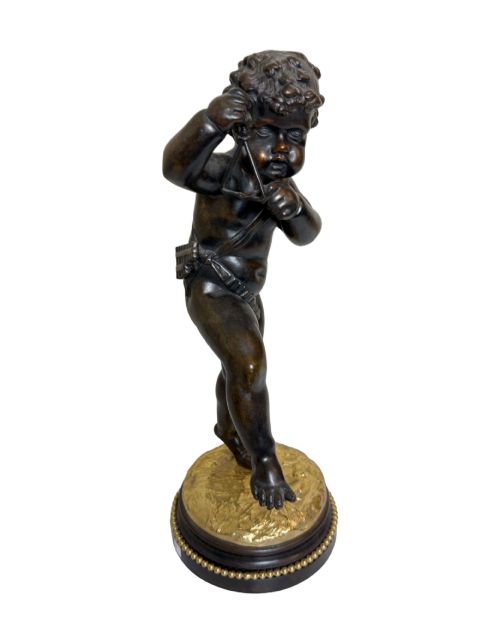
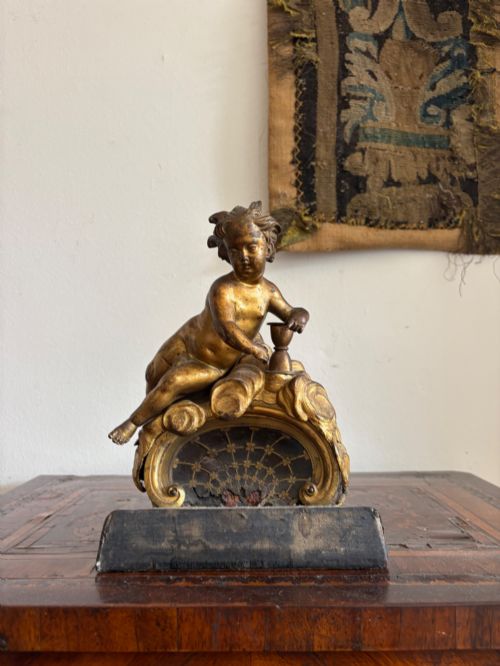
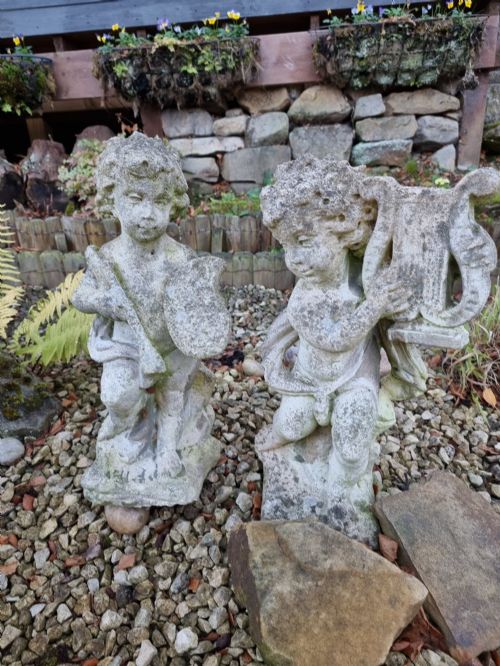
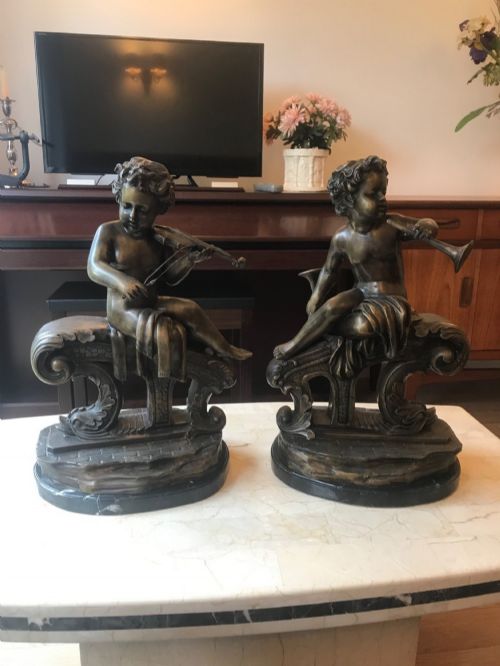
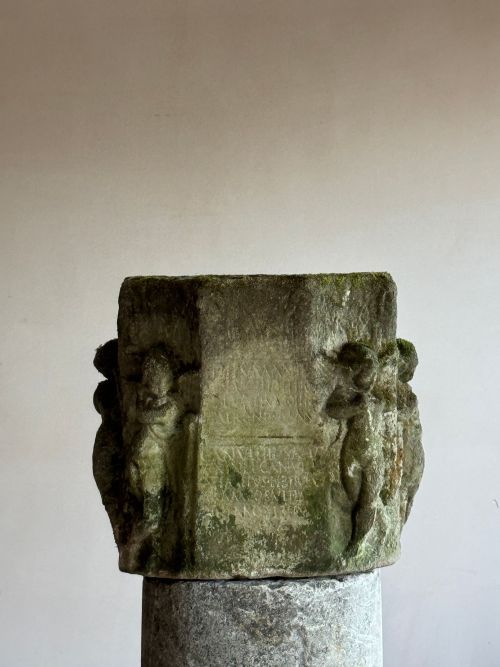
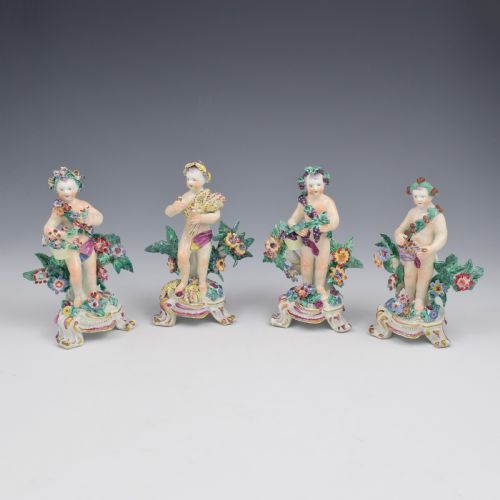
Buyers seeking antique cherub ornaments encounter a diverse array of small bronzes, garden statues, porcelain figurines and decorative mounts depicting winged children. These objects draw heavily on Neoclassical, Rococo and Victorian design traditions, often taking the form of musical putti, garden ornaments or architectural finials.
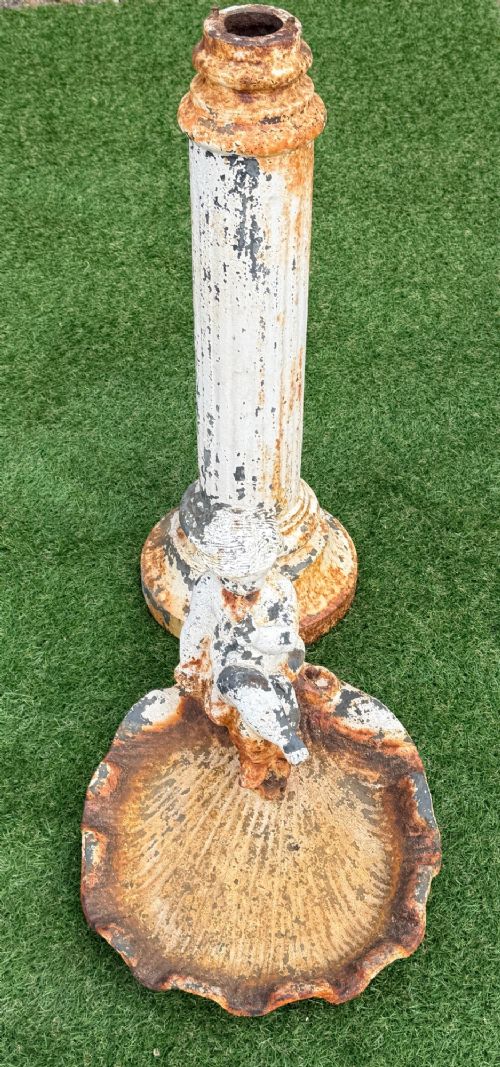
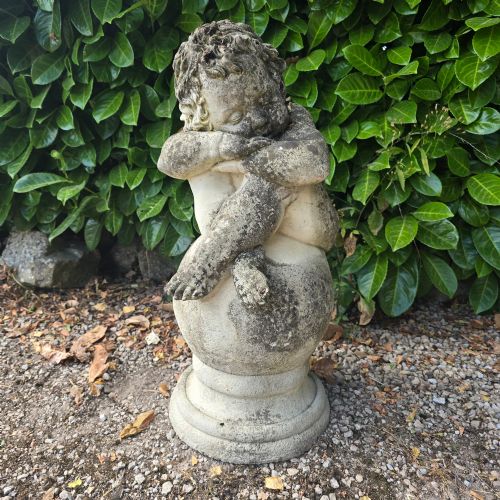
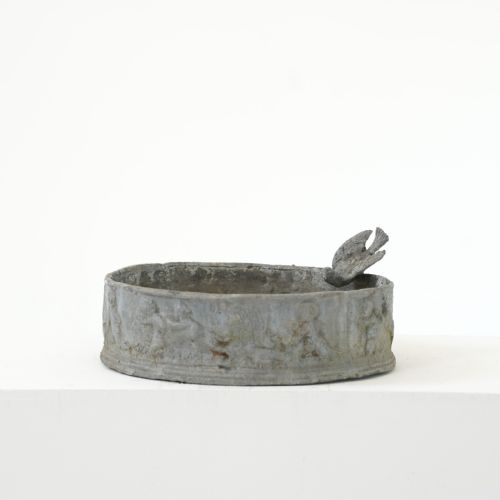
The pieces originating indoors include delicate porcelain figures from Meissen and Royal Worcester alongside gilt bronze mantel garnitures and vases. Exterior examples tend toward heavier materials like lead, cast iron and reconstituted stone designed for garden bird baths and planters.
Dating ranges from the late 18th century through the Victorian era and into the early 20th century, capturing shifting European tastes for classical mythology and sentimental pastoral subjects.
How they were made
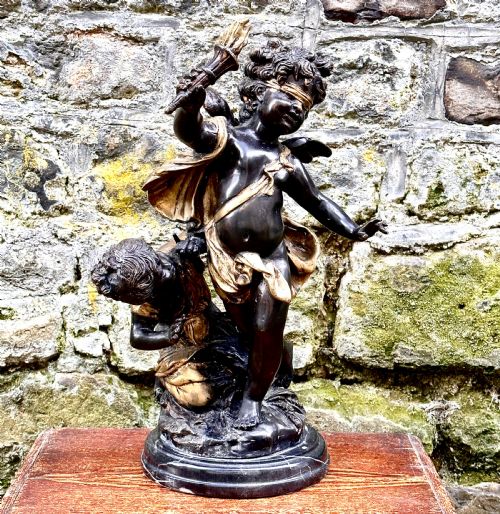
Metal sculptures utilise traditional lost-wax casting methods for bronze and brass, producing crisp detail in musical instruments, hair and drapery before receiving patination or fire gilding. Lead and cast iron garden ornaments employ durable mould-casting techniques suited to withstand outdoor weathering.
Porcelain figures involve intricate hand-modelling of clay, detailed hand-painting with enamel colours, and high-temperature firing, sometimes incorporating delicate pâte-sur-pâte decoration.
Several putti are caught mid-mischief holding tricot hats, musical triangles, or gathering grapes.
What varies in quality
The weight and stability of the casting, the depth of the original fire gilding or patination, and the presence of artist signatures or factory marks distinguish standard decorative items from superior workshop productions.
Royal Worcester·Karl Tutter·Auguste Moreau
The Antique Cherub Ornaments Glossary
- Putto
- A plump, naked child figure, frequently winged, appearing in classical and Renaissance art. These motifs form the primary subject matter for the ornaments.
- Ormolu
- Finely ground high-carat gold applied to a bronze base using mercury. This technique creates a rich golden finish seen on 18th and 19th-century French mounts.
- Chenet
- A decorative iron or bronze fire dog placed at the hearth. Pairs often incorporate cast putti or classical figures on the front supports.
- Pâte-sur-pâte
- A porcelain decoration method where liquid white clay is painted in successive layers onto a coloured body. This builds up a low relief cameo effect.
- Patination
- The surface coloration developed on bronze or metal through age or chemical treatment. Controlled patination enhances the perceived depth of sculptural details.
Antique Cherub Ornaments: Frequently Asked Questions
How do I date an antique bronze cherub?
Dating relies on examining the quality of the chasing, the type of patination, and the casting seams. Earlier 18th and early 19th-century pieces often show hand-finished chasing work that differs from later mass-produced Victorian castings.
Secondary clues include mounting screws, base construction, and stylistic hints from the Neoclassical or Rococo revival periods.
Were these cherub figures meant for indoor or outdoor use?
Intended placement depends entirely on the material. Bronze, porcelain, and gilt metal ornaments decorate interior rooms, mantelpieces, and cabinet displays.
Lead, cast iron, and stone variations serve as garden statues, urns, and bird baths built to withstand exterior conditions.
What is the difference between a cherub and a putto?
Strictly speaking, putti are secular winged infants derived from classical mythology, while cherubim belong to a higher celestial order in biblical theology. In antique markets, the terms are used interchangeably for any winged child figure.
Most decorative pieces depict mythological putti engaged in music, play, or harvest rather than strictly religious iconography.
How should I clean antique bronze cherubs?
Dusting with a soft, dry brush is generally sufficient for regular maintenance. Avoid harsh chemical cleaners or metal polishes that strip away the original historic patination.
If necessary, a light application of microcrystalline wax protects exposed metal surfaces from moisture and handling oils.