

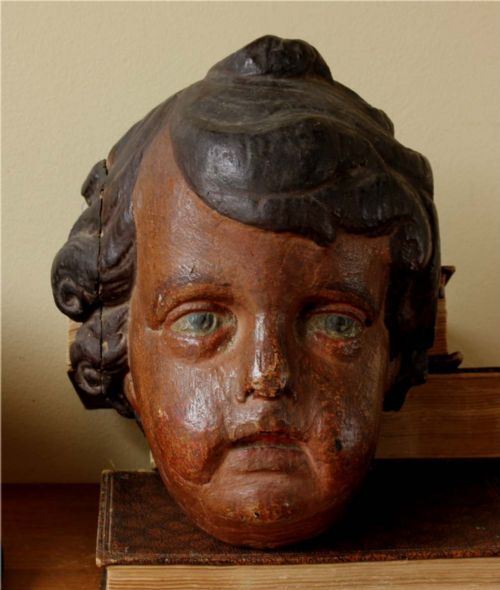


Antique Cherub Head
These antique cherub head pieces bring sculptural ecclesiastical and domestic charm to interiors through centuries of skilled carving and metalwork.
Antique Cherub Head
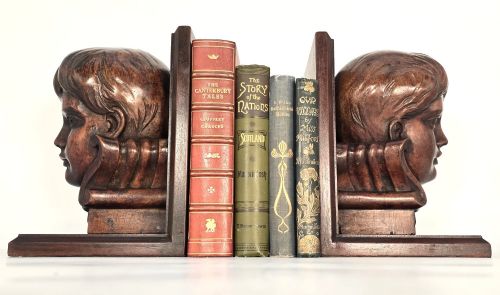
When you search for an antique cherub head, you encounter sculptural fragments, wall brackets, panels, and decorative objects drawn from centuries of European craftsmanship. These items range from isolated wooden faces carved by early artisans to silver frames and decorative trays produced during the Victorian and Edwardian eras.
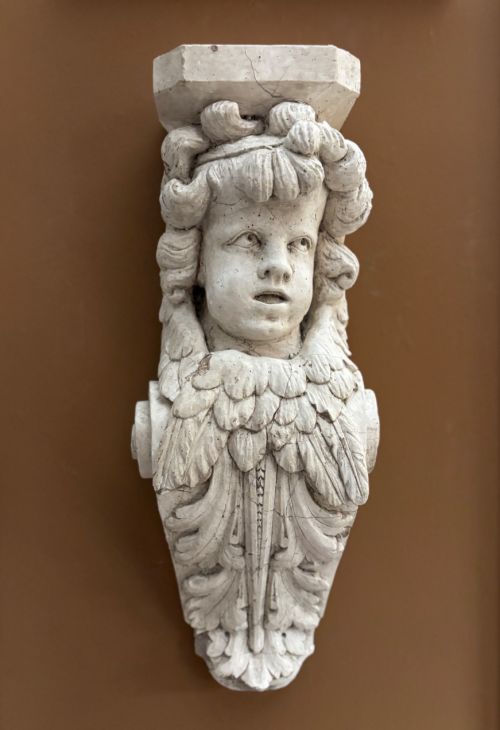
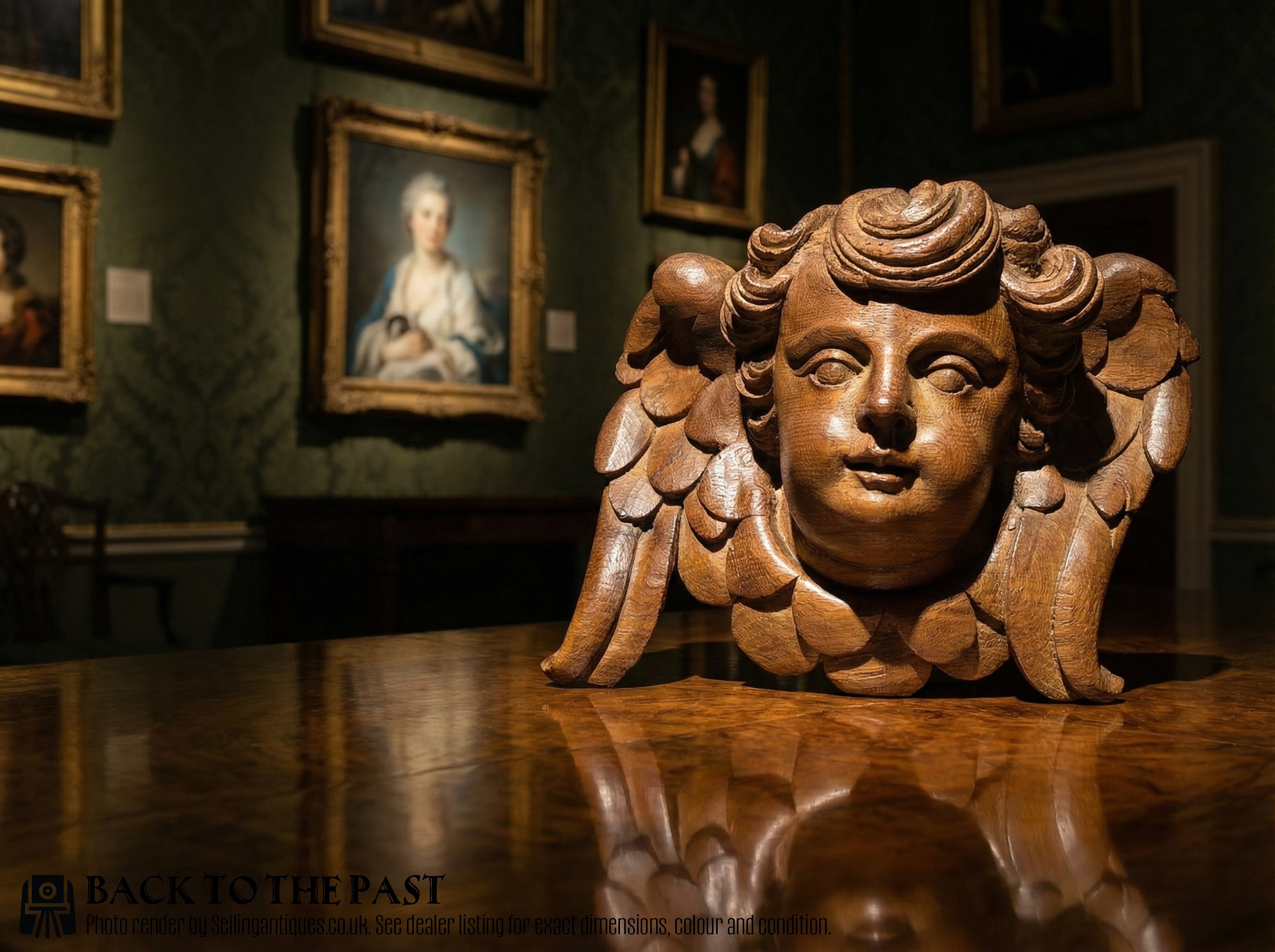
The version most commonly met on this page is the carved wooden wall bracket or panel, often fashioned from oak or walnut during the seventeenth and eighteenth centuries. These items reflect religious and domestic architectural traditions where winged putti or cherubic faces served as focal ornaments in church interiors and grand homes.
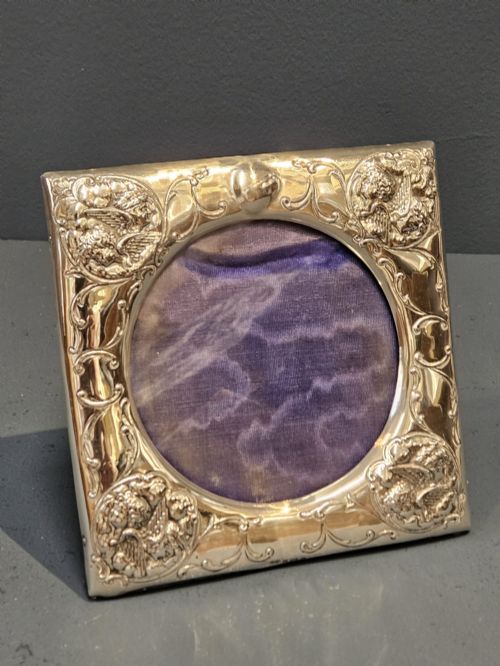
Beyond standalone wooden carvings, the listings include silver photograph frames, trinket boxes, and mirrors decorated with moulded or embossed cherub motifs. These later nineteenth and early twentieth-century pieces translate the classical winged motif into functional tabletop accessories and vanity items.
How they were made
Metal items in the collection utilise sterling silver, brass, and bronze, shaped through casting, repoussé, and relief work to create crisp depictions of Reynolds angels and putto faces. Silversmiths and metalworkers pressed or chased thin metal sheets to achieve high-relief cherub motifs on photo frames, trinket boxes, and vanity trays.
Listings feature carved wood, sterling silver, oak, walnut, and giltwood pieces spanning from the seventeenth to the twentieth century.
What varies in quality
The standard of carving defines the distinction between ordinary production and superior craftsmanship in wooden cherub heads. Master carvers achieved depth, anatomical conviction in the cheeks and brow, and crisp undercut wings that separate finely articulated seventeenth and eighteenth-century panels from simpler later work.
Material preservation and surface finish strongly influence the character of each piece. Examples retaining original polychrome pigments, undisturbed giltwood, or a deep historical patina without heavy modern intervention hold greater visual integrity.
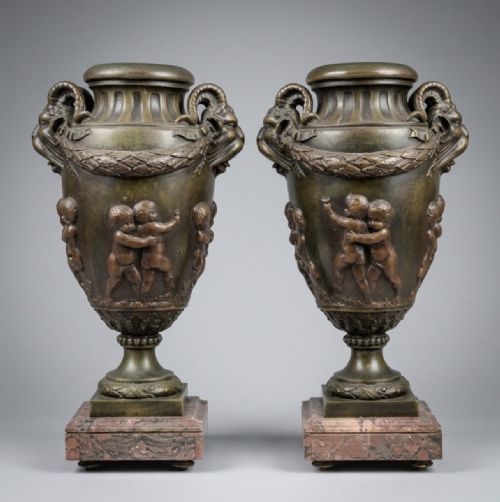
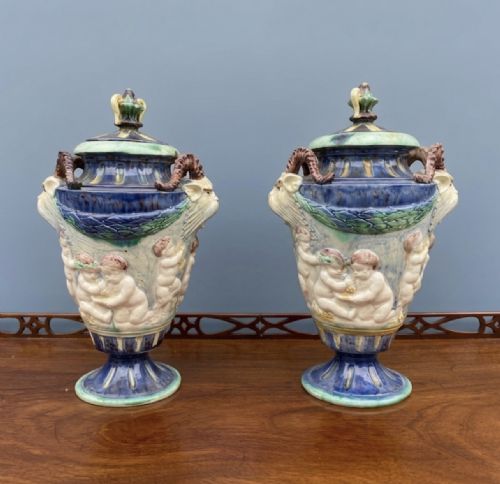
Steiner·Japy Freres
The Antique Cherub Head Glossary
- Putto
- A plump, naked male child figure frequently found in classical and Renaissance art. In later decorative contexts, artists often depicted them with wings, blurring the visual distinction with cherubs.
- Gesso
- A plaster-like mixture applied to wood surfaces as a base for gilding or painting. Artisans smoothed this compound before applying gold leaf.
- Repoussé
- A metalworking technique where the artisan hammers the metal from the reverse side to form a raised design on the front. This method appears frequently on antique silver trinket boxes and photo frames.
- Polychrome
- The practice of decorating architectural elements or sculptures in multiple colours. Traces of this finish often survive on older wooden carvings.
- Wall Bracket
- A projecting architectural support fixed to a wall to hold lamps, figures, or ornaments. Many examples in this category incorporate carved cherub faces into their structural brackets.
- Giltwood
- Timber treated with gold leaf or gold paint over a prepared ground. It provides a reflective, opulent finish characteristic of Baroque and Neoclassical design.
Antique Cherub Head: Frequently Asked Questions
What is an antique cherub head?
An antique cherub head is a sculptural depiction of a winged child or putto, typically carved from wood or moulded in silver during past centuries.
These pieces originate from architectural fragments, wall brackets, picture frames, and decorative panels produced across Europe.
How were antique cherub wall brackets used?
These brackets functioned as structural supports for lamps, small sculptures, or architectural embellishments within churches and domestic interiors.
Their decorative carved faces added a classical and ornamental element to panelled walls and libraries.
How do I care for a carved wooden cherub?
Keep wooden carvings away from direct sunlight and dramatic temperature fluctuations to prevent the timber from splitting.
Dust the surface gently with a dry, soft brush and avoid applying modern polishes or liquid cleaners.
How can I tell the age of a cherub carving?
Inspect the tool marks, timber shrinkage, and surface patina to gauge the historical age of the piece.
Earlier items from the seventeenth and eighteenth centuries show hand-cut tool marks and denser wood grain compared to later revival styles.