

Antique Cherry Wood
Antique cherry wood pieces bring a warm, rich grain and solid provincial character into dining rooms and bedrooms.
Antique Cherry Wood
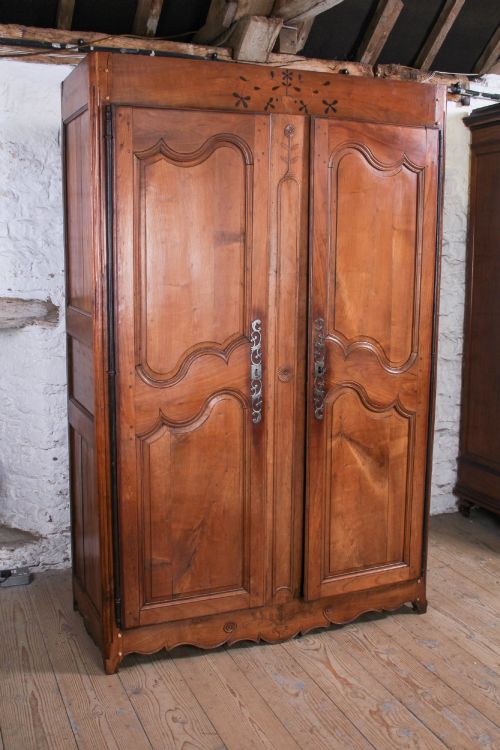
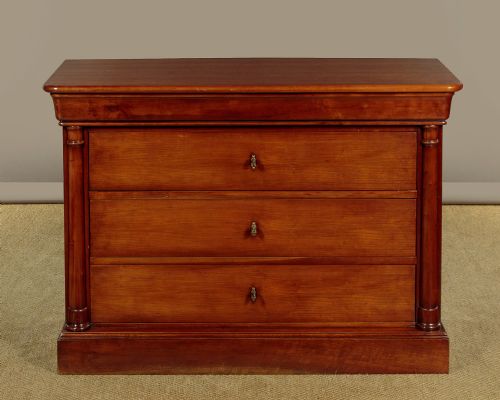
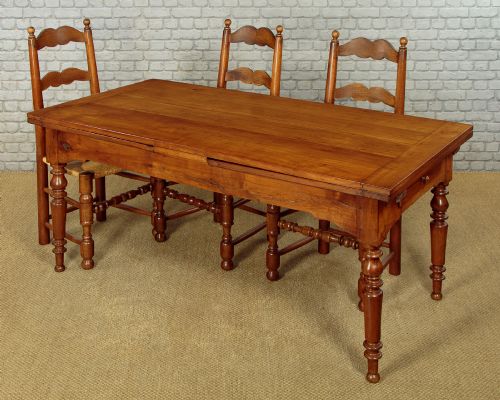
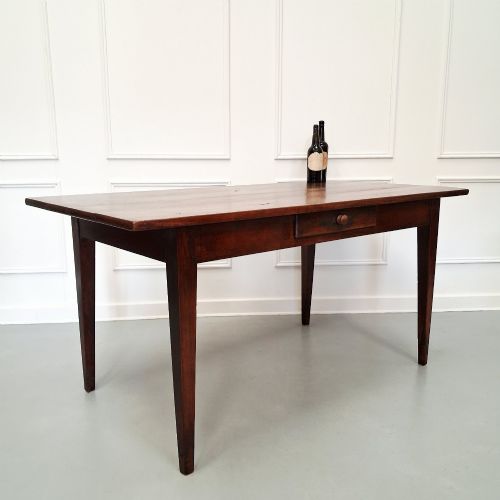
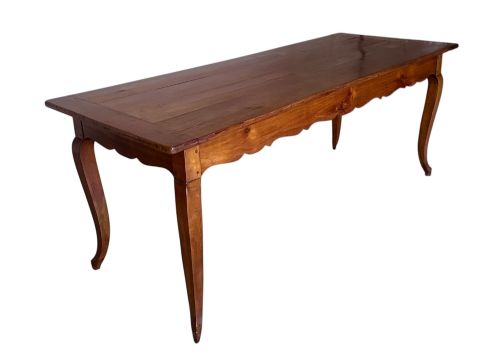
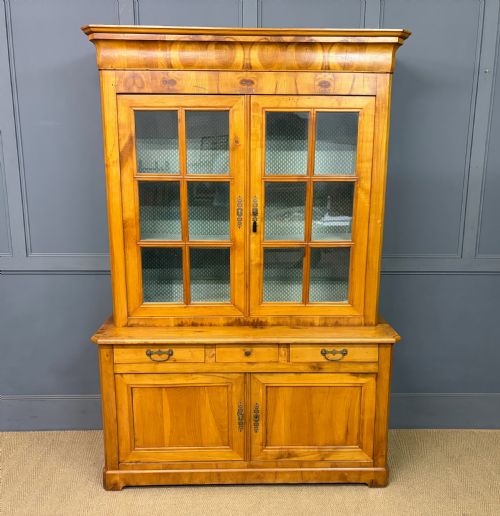
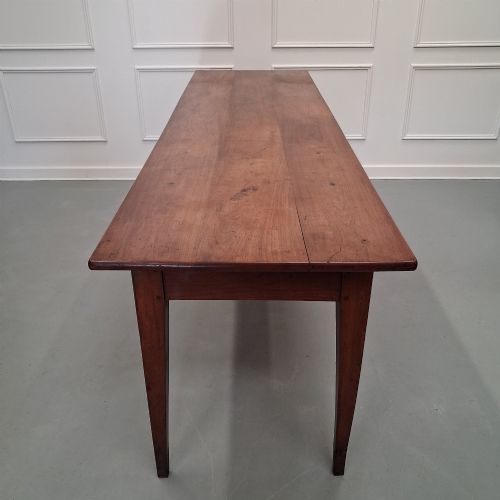
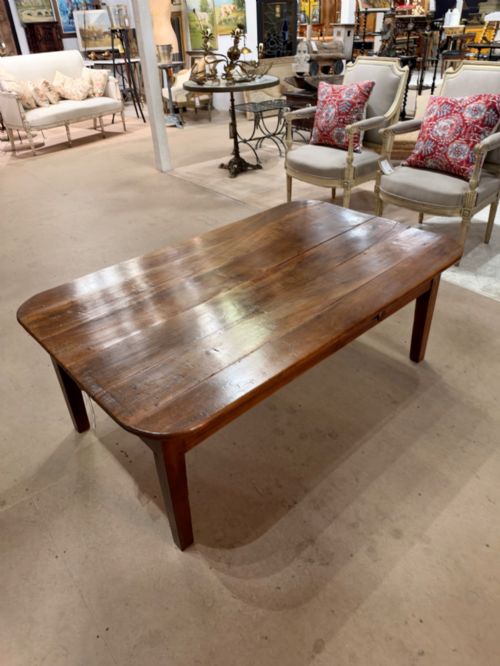
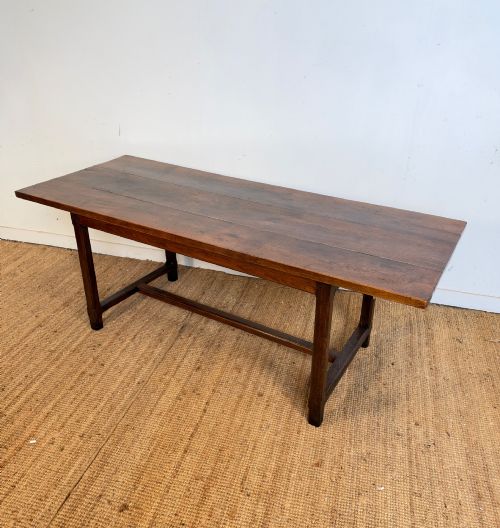
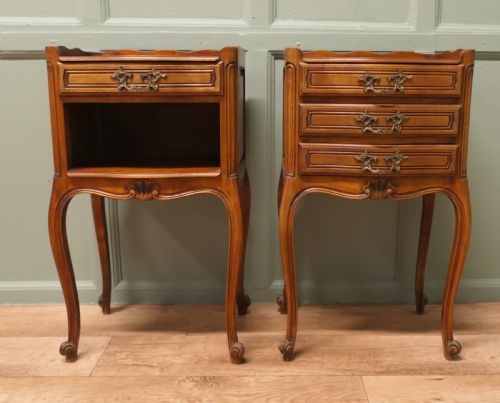
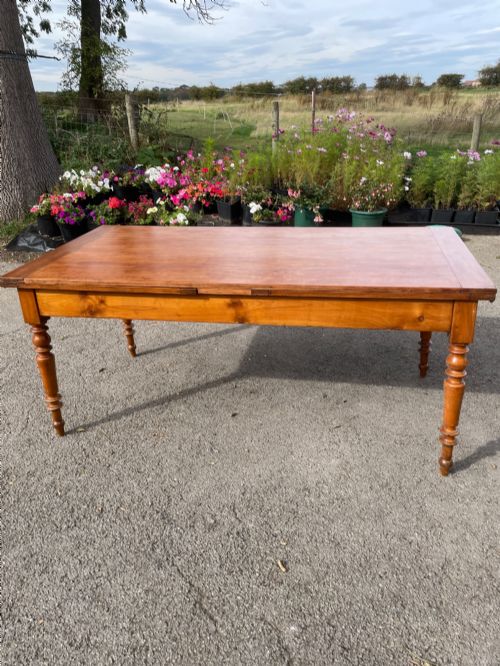
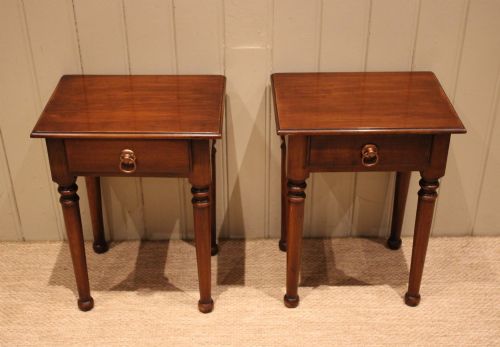
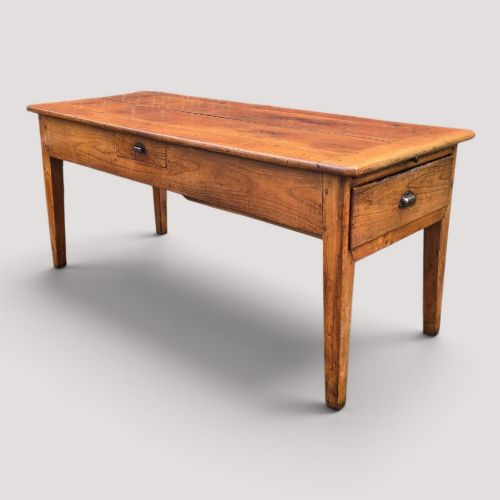
When you search for antique cherry wood, you encounter substantial furniture primarily originating from French provincial workshops during the 18th and 19th centuries. The selection centres heavily on large farmhouse refectory dining tables, alongside functional storage forms such as commodes, cupboards, and bedside cabinets.
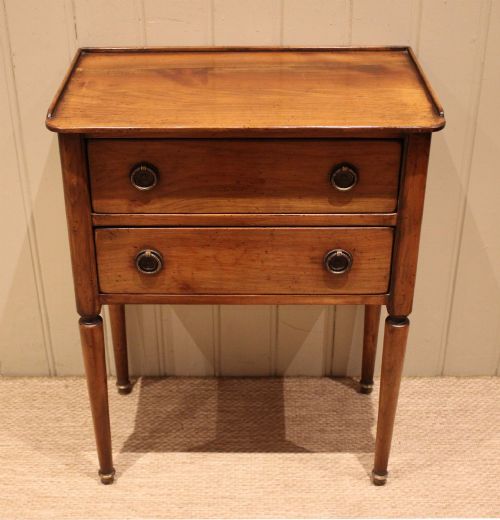
The domestic forms include extending dining tables equipped with bread slides, alongside occasional pieces like side tables, benches, and lowboys. Regional French furniture dominates the listings, frequently displaying traditional cabriole legs and panelled construction suited to rural domestic life.
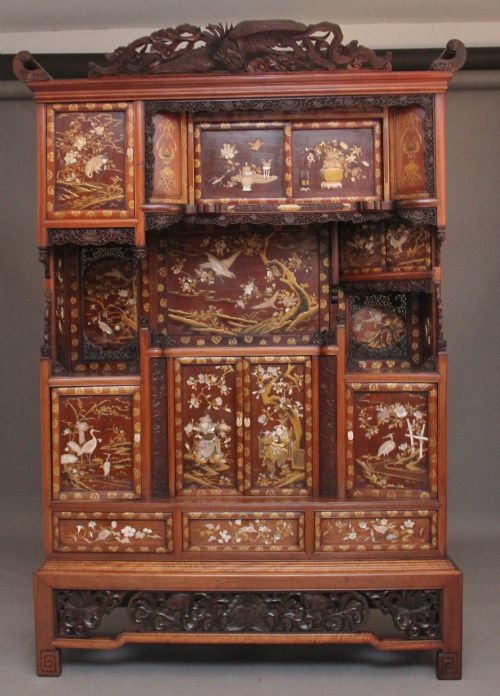
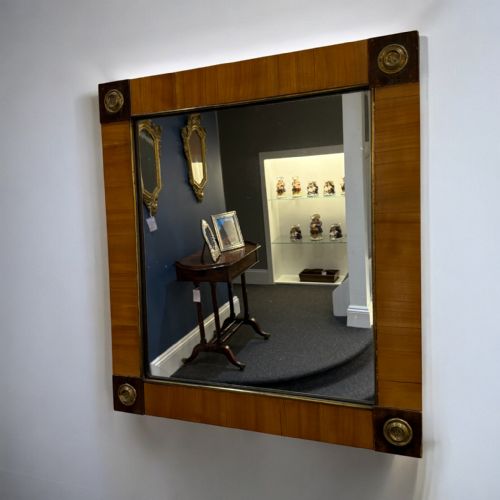
Beyond standard tables and storage, the selection incorporates occasional items like wine tables, blanket boxes, and mirrors, alongside diverse global pieces like Japanese shodonas and Chinese export silver vases utilising the timber.
Materials and construction
The construction relies fundamentally on solid cherry wood, often supplemented by secondary hardwoods and finished with brass hardware for handles, escutcheons, and hinges. Iron metal components occasionally appear on structural braces or internal mechanisms.
Makers utilised traditional joinery techniques to manage timber movement across large surfaces like farmhouse tabletops and wide commode panels. Turned legs, cabriole profiles, and panelled doors demonstrate standard regional craftsmanship of the 18th and 19th centuries.
Antique Cherry Wood Retail Price Guide 2026
Typical asking prices for cherry wood among the pieces listed under this phrase on Sellingantiques today, from the lower quarter to the upper quarter. They describe what is for sale here now, not the wider market.
Listings feature periods spanning from the 18th century through the Victorian era to the 1930s, constructed primarily in solid cherry wood, hardwood, and brass.
Distinctions in quality
Quality rests upon the depth of the timber's natural patina, the crispness of hand-carved cabriole legs, and the retention of original brass mounts. Pieces displaying rich, oxidised surfaces with minimal structural alteration command greater regard than heavily restored examples.
The integrity of original construction, such as integrated sliding bread boards on dining tables and cleanly dovetailed drawers on commodes, separates standard utilitarian furniture from finer provincial cabinet work.
The Antique Cherry Wood Glossary
- Refectory table
- A long dining table traditionally used in communal dining halls and adapted for domestic farmhouse kitchens. These examples often incorporate extending mechanisms and central stretchers.
- Commode
- A low French chest of drawers, frequently featuring shaped serpentine fronts and cabriole supports. In earlier 18th-century pieces, these showcase elaborate bombe profiles.
- Chevet
- A small bedside table or cabinet designed to sit beside a bed for nocturnal storage. Pairs of these frequently appear alongside French provincial beds.
- Bread slide
- A pull-out wooden board integrated beneath the tabletop of French dining tables. Historically utilised for cooling bread or expanding workspace.
- Lowboy
- A small traditional table with one or more drawers, standing on relatively tall legs. George II examples demonstrate specific period bracket feet and kneehole configurations.
Antique Cherry Wood: Frequently Asked Questions
How do I care for antique cherry wood furniture?
Maintain the timber by applying natural beeswax sparingly and buffing gently with a soft cloth to preserve the surface sheen. Keep pieces away from direct heat sources and strong sunlight to prevent the warm red tones from fading unevenly.
Avoid excessive moisture during daily cleaning by using only a dry or barely damp cloth. Regular gentle polishing enhances the natural grain without building up heavy chemical layers.
What rooms suit antique cherry wood tables?
Large refectory and farmhouse tables anchor spacious dining rooms or open-plan kitchens effectively. Their warm reddish-brown timber tones complement both rustic stone floors and neutral contemporary interiors.
Smaller side tables and bedside cabinets fit easily into bedrooms, hallways, or living spaces as functional accent pieces. The timber's organic grain adds warmth to domestic spaces without overwhelming surrounding furniture.
How do I identify French provincial cherry furniture?
Look for construction traits typical of regional workshops, such as pegged mortise and tenon joints and hand-planed panels. Cabriole legs, simple aprons, and modest provincial carvings distinguish these rural pieces from formal court furniture.
The timber itself exhibits a distinct fine grain and warm colour that deepens naturally over centuries. Iron or brass hardware attached to the piece often reflects local hardware traditions of the 18th and 19th centuries.
Did cherry wood replace other timbers?
Cherry wood served as a primary local hardwood in French provincial regions where fruit trees and indigenous forests grew abundantly. Cabinetmakers utilised it instead of imported mahogany or walnut because it was locally available and durable.
The timber took fine carving and turned well on a lathe, making it ideal for structural furniture like dining tables and chests of drawers. Its ability to hold a smooth finish made it a preferred choice for provincial cabinetmakers.