

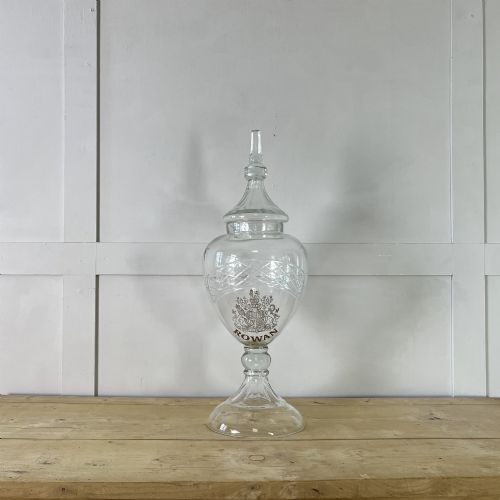


Antique Chemist Display Jar
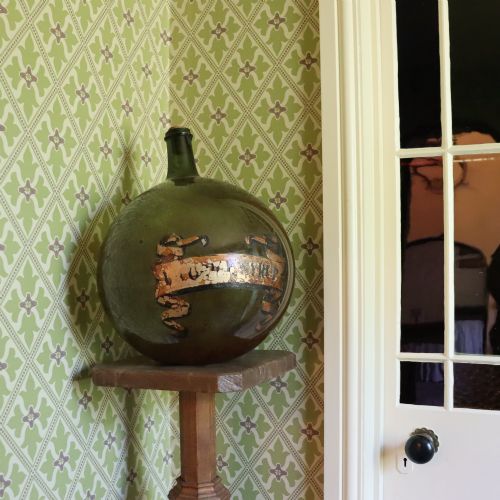
An antique chemist display jar commands attention in a room with its heavy glass and traditional lettering.
Antique Chemist Display Jar
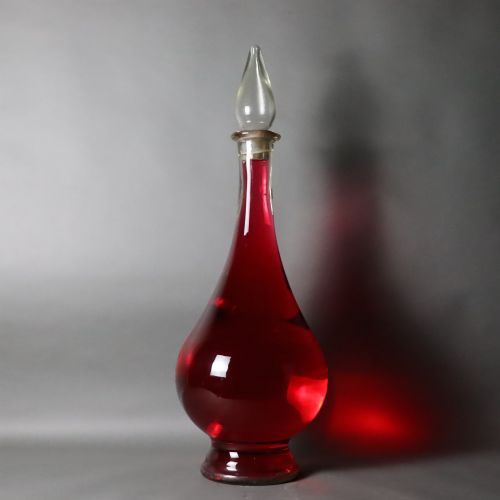
An antique chemist display jar forms part of a rich tradition of shop fittings, apothecary vessels and large glassware designed to hold medicinal goods or draw the eye from a storefront. Buyers seeking an antique chemist display jar typically encounter tall carboys, covered vessels and heavy glass jars originating from the nineteenth century and the Edwardian period.
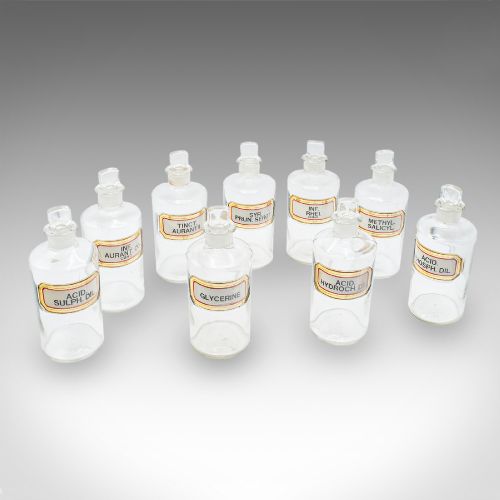
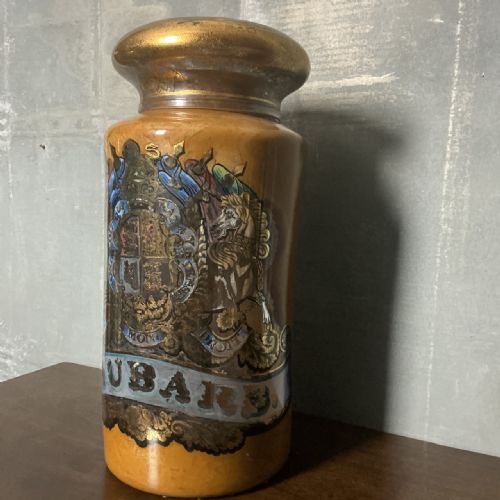
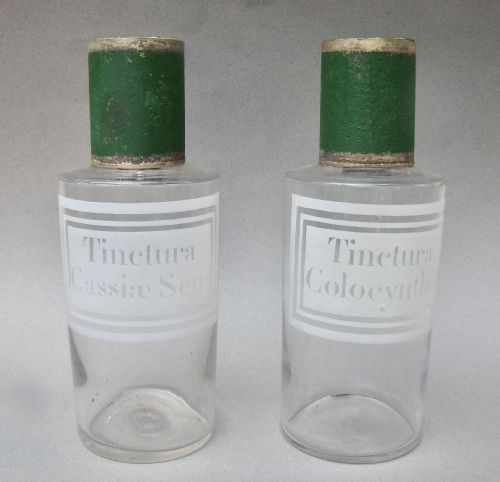
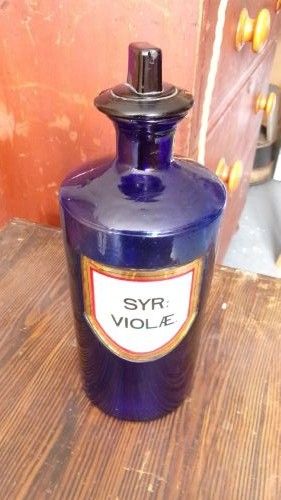
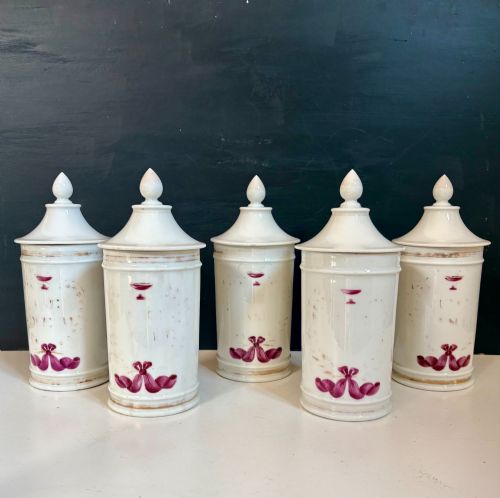
The selections available here span Victorian and Edwardian examples, alongside French nineteenth century pieces, featuring distinctive forms such as the Bristol blue chemist bottle with a lollipop stopper. These items range from single large display jars marked with contents like arrowroot or gelatine to matching pairs and larger sets intended for shop displays.
Forms vary from robust blown glass containers to large carboys and cut glass apothecary jars complete with matching covers. Their history is rooted in working pharmacies and apothecaries, making them substantial decorative objects for modern interiors.
How they were made
The construction of an antique chemist display jar relies primarily on heavy glass, often formed through blowing techniques or precision cutting to create thick walls capable of enduring daily pharmacy use. Many pieces incorporate blown glass bodies paired with fitted glass stoppers or covers.
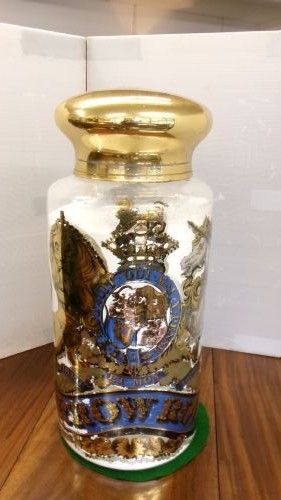
Decoration and labelling on these vessels frequently utilise gold leaf, paint and surface etching, such as the distinct lettering seen on French nineteenth century examples. Additional detailing occasionally involves metal or brass components alongside mercury glass finishes.
Antique Chemist Display Jar Retail Price Guide 2026
Typical asking prices for chemist display jar among the pieces listed under this phrase on Sellingantiques today, from the lower quarter to the upper quarter. They describe what is for sale here now, not the wider market.
The materials recorded across these listings include blown glass, mercury glass, porcelain, brass, gold leaf, and paint.
What varies in quality
The standard of an antique chemist display jar rests heavily on the clarity and thickness of the glass, the presence of original stoppers or covers, and the crispness of any gold leaf or painted labels. Large carboys and cut glass vessels with unblemished surfaces and heavy proportions stand at the upper end of the range.
Completeness also dictates desirability, as matched sets, pairs and jars retaining their original covers or specific contents labels represent more cohesive examples of apothecary glassware.
The Antique Chemist Display Jar Glossary
- Carboy
- A large globular glass bottle or jar, typically housed in a protective base or displayed on its own in a shop window to attract custom.
- Bristol Blue
- A deep cobalt blue glass traditionally produced in the Bristol area and frequently utilised for nineteenth century chemist bottles and apothecary wares.
- Lollipop Stopper
- A heavy glass stopper featuring a flat, rounded top resembling a confectionery disc, designed to seal large apothecary jars and chemist bottles.
- Mercury Glass
- Double-walled blown glass coated on the interior with a silvered liquid substance to create a reflective, mirror-like finish.
- Apothecary
- A historical practitioner who prepared and sold medicines and drugs, utilising specialised glassware and jars to store ingredients.
Antique Chemist Display Jar: Frequently Asked Questions
What did pharmacies use these large glass jars for?
Apothecaries used these large vessels to store dry medicinal ingredients, herbs, powders like arrowroot, and gelatine on shop shelves.
They also served as striking window displays to signal the presence of a chemist to passersby.
How do I identify a Victorian chemist jar?
Victorian examples typically feature thick blown glass, deep hues such as Bristol blue, or hand-applied gold leaf labels denoting specific contents.
They often include heavy matching stoppers and display the robust proportions characteristic of nineteenth century shop fittings.
Are these jars waterproof for modern use?
While many of these vessels were originally designed to hold dry goods or liquids in a pharmacy, the age of the glass requires careful handling.
It is advisable to check individual seals and stoppers before filling them with liquids in a modern home.
How should I clean an antique glass jar?
Dusting with a soft, dry cloth is usually sufficient for maintaining the exterior surface of the glass and any painted or gilded lettering.
Avoid harsh chemical cleaners that might damage nineteenth century paint, gold leaf, or delicate etched surfaces.
What is the difference between a carboy and a jar?
Carboys are exceptionally large, globular vessels designed to hold substantial volumes of liquid and stand prominently on the floor or high shelves.
Jars are generally smaller, cylindrical or faceted containers with wide mouths and removable covers made for counter or shelf display.