




Antique Chateau Seating
Antique chateau seating brings the elegance of French country houses into your rooms through carved giltwood, painted wood, and upholstered armchairs and settees.
Antique Chateau Seating
When you look for antique chateau seating, you encounter furniture originating from French domestic interiors across the eighteenth, nineteenth, and early twentieth centuries. These pieces encompass forms ranging from single armchairs and side chairs to larger settees, daybeds, and corner sofas.
The most common examples you meet on this page date from the nineteenth century and adopt the classic Louis XV and Louis XVI styles. They span from giltwood salon chairs to painted wood dining chairs and boudoir seating.
Materials and construction
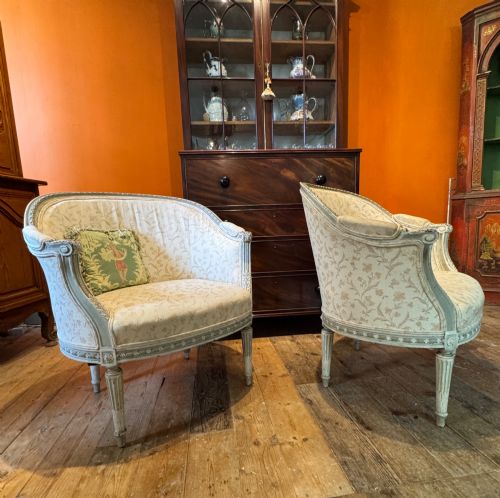
Maker workshops shaped these frames primarily from solid timber such as beech, walnut, and oak, often applying layers of paint or rich giltwood to the exposed woodwork. Craftsmen carved floral motifs, scrolls, and fluted legs directly into the timber before finishing the surfaces.
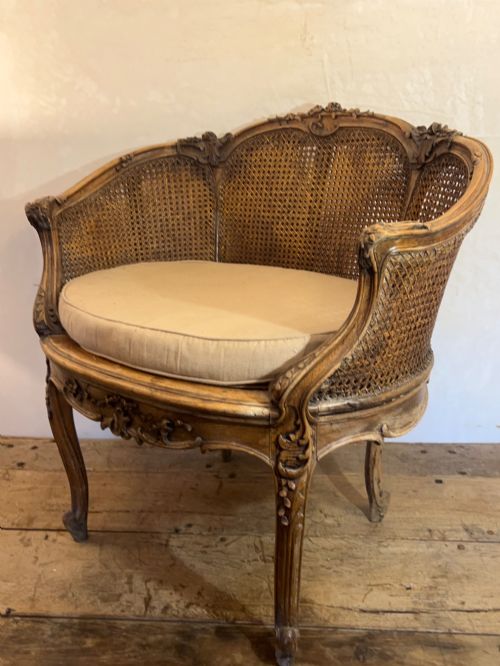
Upholstery completed the seating, utilising traditional stuffing covered in fabrics like velvet, needlework, and modern textiles. Caning also appears on chair backs, woven neatly through wooden frames alongside brass hardware and structural joinery.
Listings span the eighteenth, nineteenth, and twentieth centuries, incorporating beech, walnut, giltwood, and painted finishes across various regional French styles.
Distinctions in quality
Quality rests in the crispness of the wood carving and the integrity of the frame construction, where deeper hand-chiselled details separate superior work from simpler moulded pieces. The handling of the original paint or gilt finish dictates visual depth, distinguishing carefully aged surfaces from heavy modern over-painting.
Proportion and comfort guide the measure of better pieces, ensuring that armchairs and settees retain balanced lines and supportive seating angles. The presence of period textiles or well-executed traditional upholstery maintains the integrity of the design.
Henri Jacob
The Antique Chateau Seating Glossary
- Fauteuil
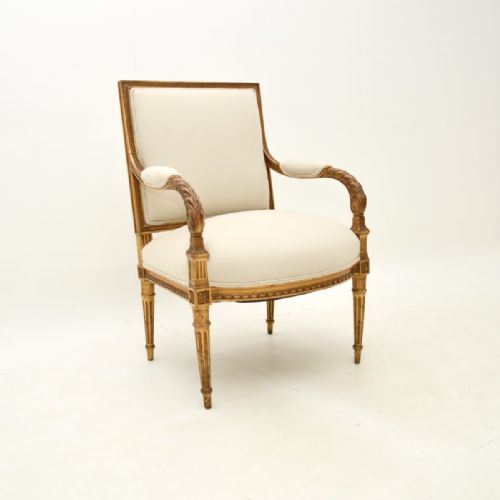
- An open-armed upholstered armchair with exposed wooden sides typical of French seating design. These chairs feature padded armrests and seats supported by carved legs.
- Bergère
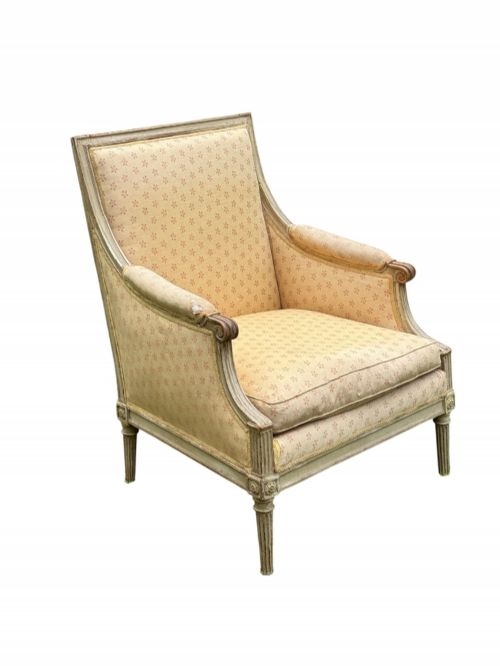
- An enclosed upholstered armchair with solid sides filled with upholstery or cane work. This form often includes a loose seat cushion and a rounded back.
- Canapé
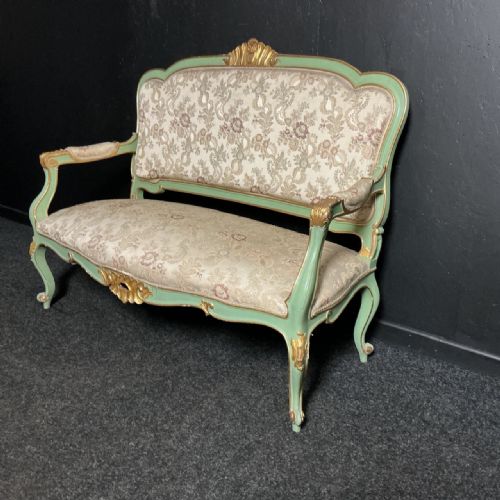
- A French sofa or settee designed with an upholstered back and seat matching the style of companion armchairs. They accommodate multiple sitters within a salon setting.
- Duchesse Brisée
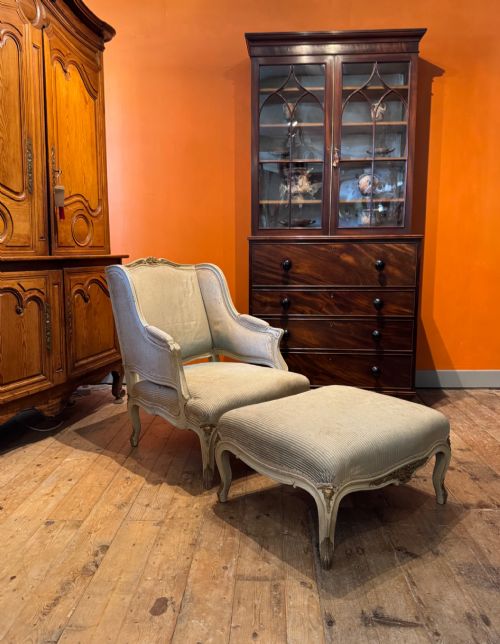
- A multi-part chaise longue comprising an armchair and a stool, or two chair units joined by a footstool. This form creates an extended surface for reclining.
- Giltwood
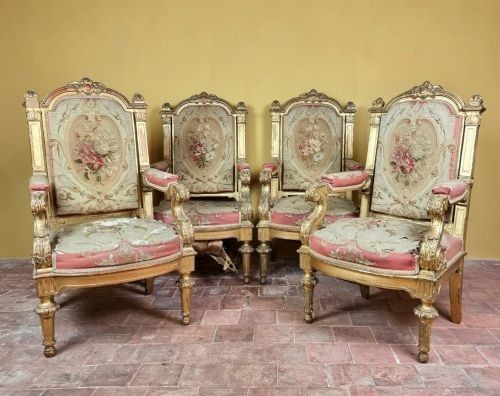
- Timber coated with a thin layer of gold leaf applied over a prepared gesso surface. This finish catches the light in formal reception rooms.
Antique Chateau Seating: Frequently Asked Questions
What is an antique French armchair called?
French armchairs with open wooden sides are known as fauteuils, while enclosed upholstered versions with padded sides are called bergères. Both styles emerged during the height of French court design and continued through later revival periods.
These terms help identify the specific frame construction when reading descriptions of period seating.
How do I use chateau seating today?
These chairs and settees fit comfortably into living rooms, bedrooms, and studies as occasional seating or conversational grouping pieces. Sofas and window seats function well in larger hallways or beneath tall windows.
Pairing individual armchairs with modern sofas creates a balanced interior mixing historical texture with contemporary layouts.
Are painted finishes on these chairs original?
Many pieces retain their original paint or historic surface treatments, showing natural wear that develops over generations of use. Other items received later decorative painting during subsequent revival periods in the nineteenth or twentieth centuries.
Examining the layers of paint reveals whether the finish dates to the primary construction era or a later refresh.