


Antique Charger Plate
These large serving dishes and cabinet pieces known as an antique charger plate bring centuries of global artistry onto walls and tables.
Antique Charger Plate
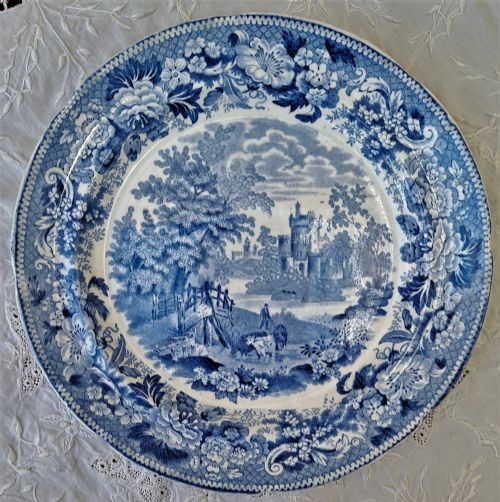
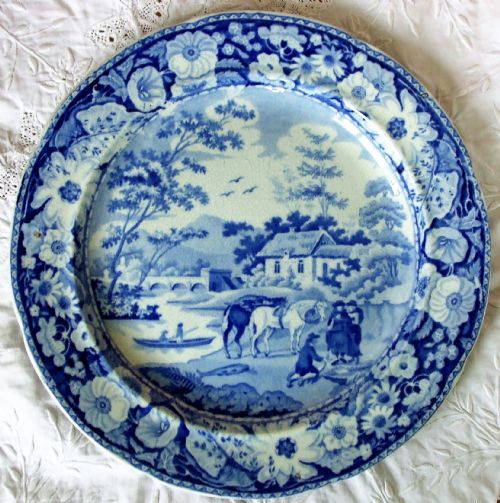
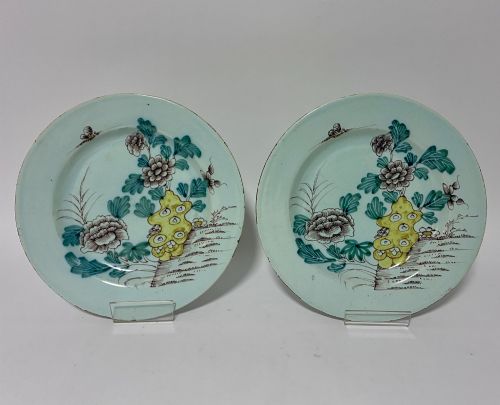
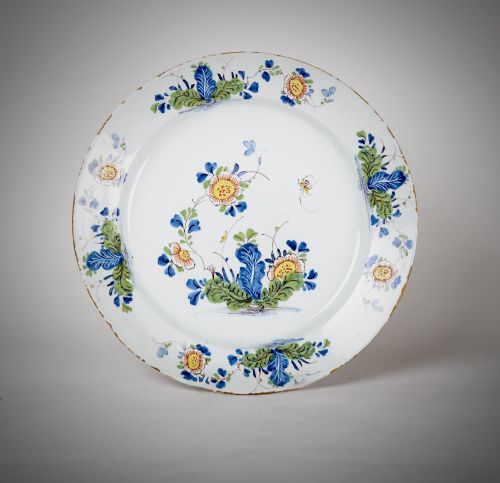
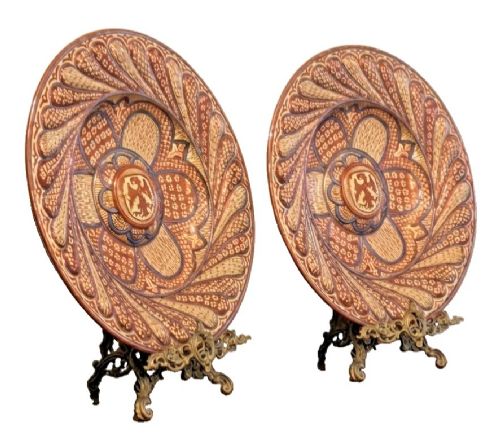
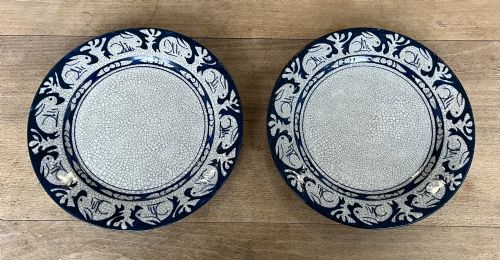
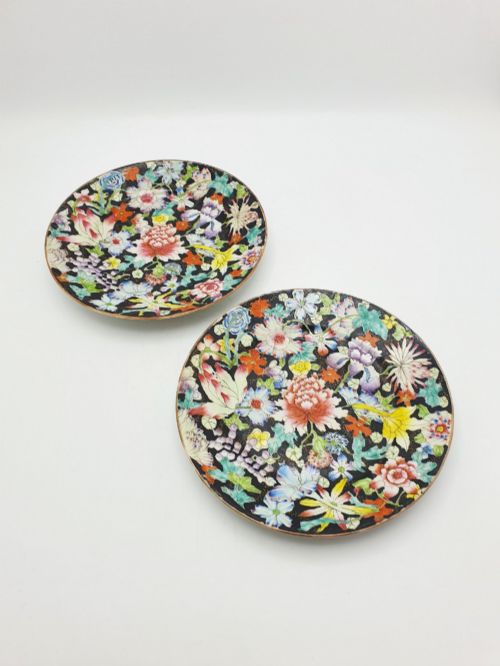
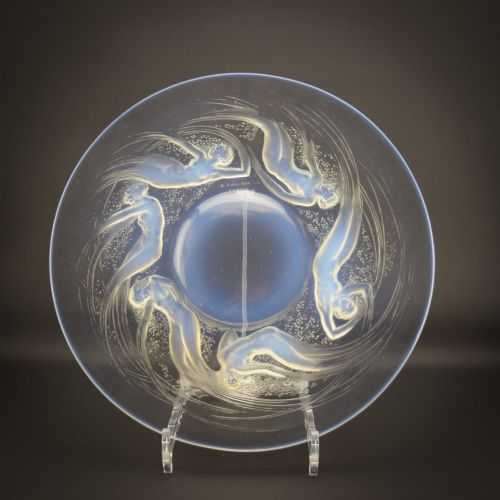
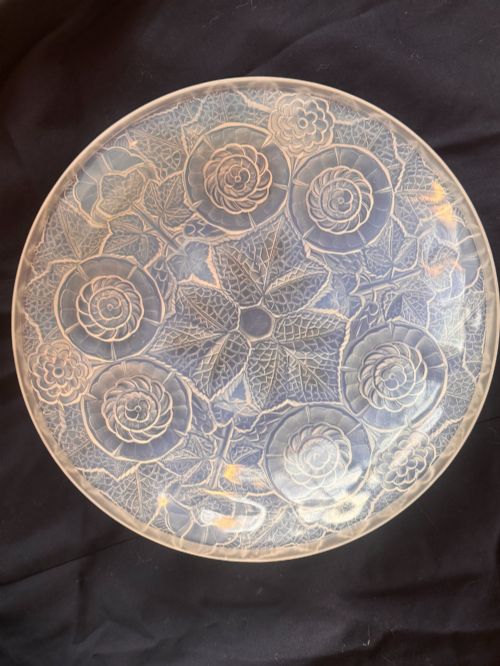
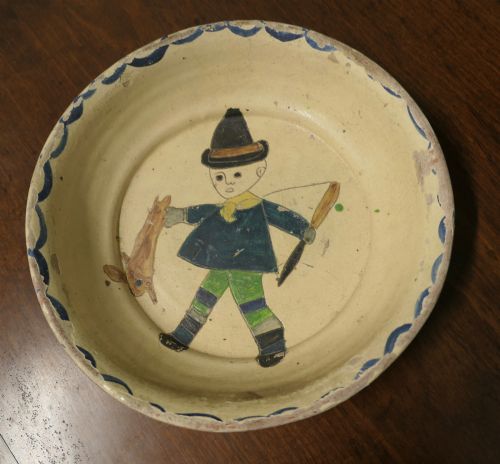
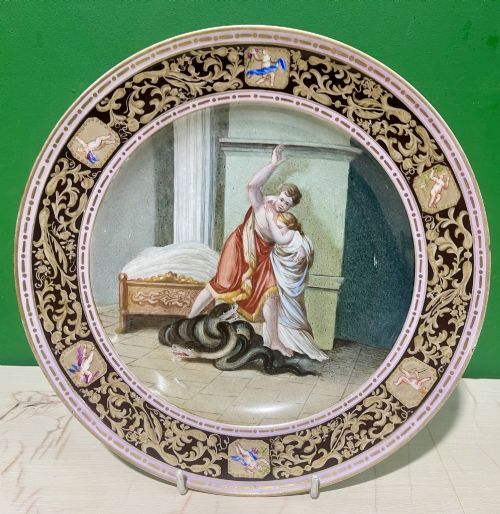
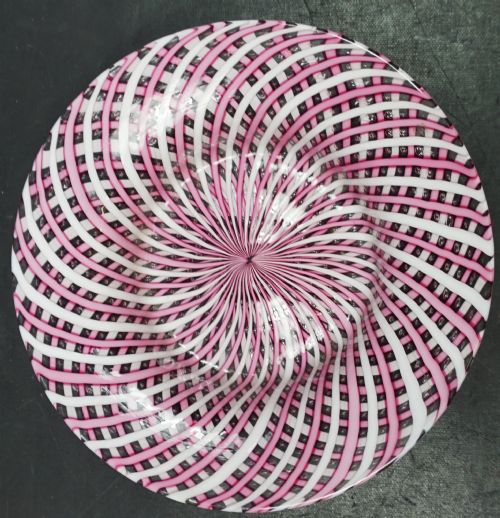
An antique charger plate encompasses large decorative platters and shallow dishes created across multiple continents from the sixteenth century onwards. These substantial pieces served grand dining tables or stood displayed on cabinets and walls.
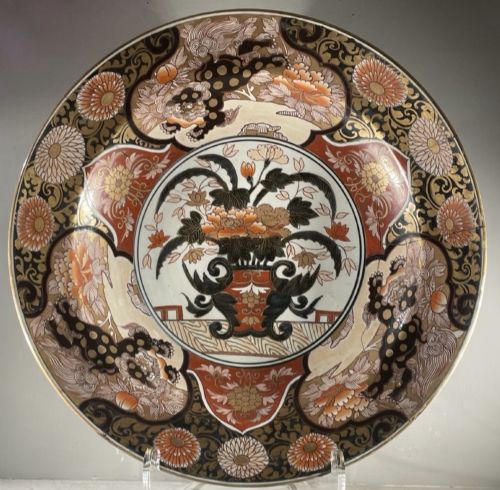
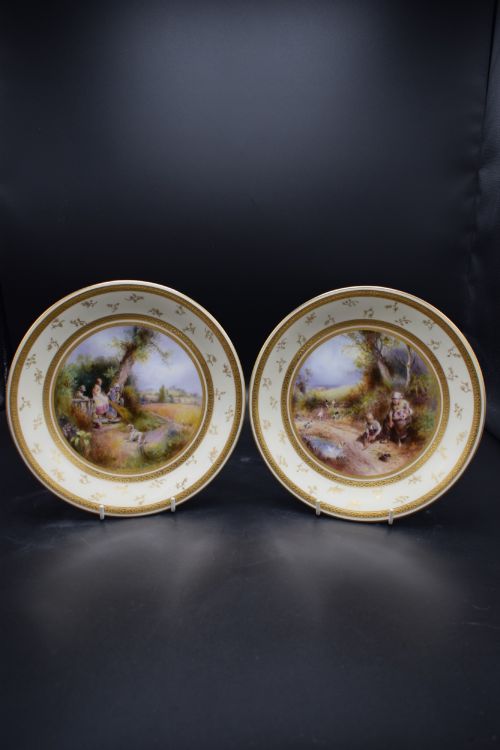
The selection ranges from early blue and white porcelain and tin-glazed earthenware to intricate Japanese Imari and intricate Middle Eastern metalwork. Buyers encounter everything from seventeenth-century Delftware to late-nineteenth-century European painted porcelain.
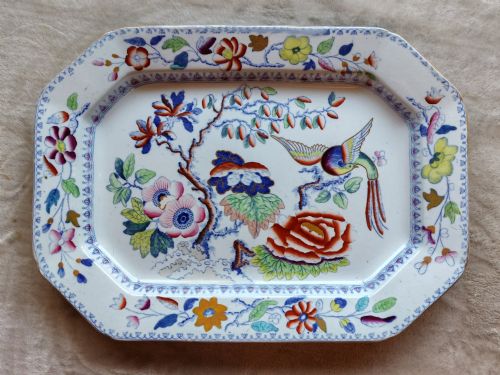
Asian export wares appear frequently, particularly Chinese porcelain from the Ming and Qing dynasties alongside Japanese Meiji period examples. English transferware and continental factory plates also populate the range of available forms.
Materials and construction
Ceramic pieces rely on porcelain, earthenware, and fine clay bodies shaped by hand or wheel before receiving glazes and high-temperature firing. Tin-glazed earthenware utilises an opaque white lead and tin glaze designed to accept painted pigments.
Metal alternatives employ copper and bronze hammered into broad plates using repoussé and engraving techniques. Cloisonné examples build intricate designs with thin wire partitions filled with coloured enamel paste prior to firing.
Antique Charger Plate Retail Price Guide 2026
Typical asking prices for charger plate among the pieces listed under this phrase on Sellingantiques today, from the lower quarter to the upper quarter. They describe what is for sale here now, not the wider market.
Listings feature periods spanning from the sixteenth century to the mid-twentieth century, encompassing earthenware, porcelain, copper, and enamel.
Assessing craftsmanship
Quality reveals itself in the crispness of the painted detail and the control of the kiln firing, which prevents warping or glaze discolouration. Hand-painted brushwork shows deliberate artistry rather than mechanical uniformity.
Metal chargers separate on the depth and precision of the repoussé work, where sharp relief and clean chasing define superior examples. On porcelain, the brilliance of the cobalt blue and the translucency of the body indicate higher standards.
William Smith And Co·Royal Crown Derby·Royal Worcester
The Antique Charger Plate Glossary
- Charger
- A large ornamental plate or dish traditionally used for formal dining or sideboard display. They measure significantly wider than standard dinner plates.
- Imari
- A Japanese export porcelain style featuring characteristic iron red, underglaze blue, and gilt highlights. The style originated in Arita and gained immense popularity across Europe.
- Repoussé
- A metalworking technique where the artisan hammers the design from the reverse side to create raised relief on the front. Fine chiselling then refines the details on the upper surface.
- Tin-glazed earthenware
- Pottery covered with a glaze containing tin oxide to produce a smooth, white, opaque surface suitable for painting. Examples include English and Dutch Delftware.
- Kraak porcelain
- Chinese export porcelain produced during the late Ming dynasty, typically decorated in blue and white with panelled border designs.
Antique Charger Plate: Frequently Asked Questions
What is an antique charger plate used for?
These large vessels originally served foundational roles at formal banquets, placed beneath other courses to anchor the table setting. Over time, their primary function shifted toward decorative display on walls, dressers, and cabinets.
Today, collectors continue to use them as striking centrepieces or wall art, appreciating their scale and pictorial subjects.
How do I date an antique charger plate?
Dating relies on examining the ceramic paste, glaze characteristics, base markings, and painting styles associated with specific periods like the Ming dynasty or Victorian era. Craquelure, foot-rim wear, and potting techniques also offer reliable clues to age.
Comparing pieces to documented factory output helps narrow down the decade of manufacture.
Are metal chargers harder to maintain than ceramic?
Copper and brass chargers require occasional gentle cleaning to manage natural oxidation without stripping the historical patina. Ceramic and porcelain pieces only need careful handling to avoid chipping the edges.
Both materials tolerate standard indoor environments when kept away from excessive moisture.