



Antique Chapel Furniture
Antique chapel furniture brings sturdy character and historic craft into a modern home through timeless pews, tables, and seating.
Antique Chapel Furniture
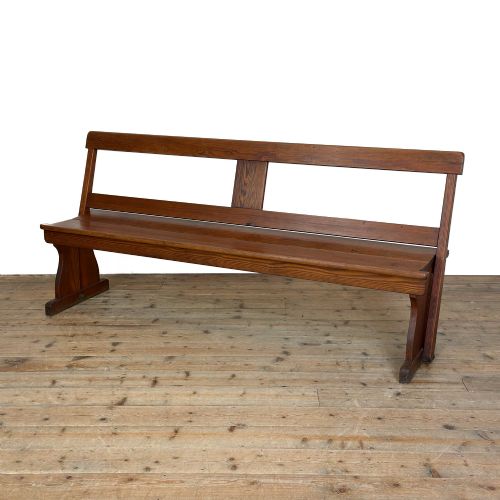
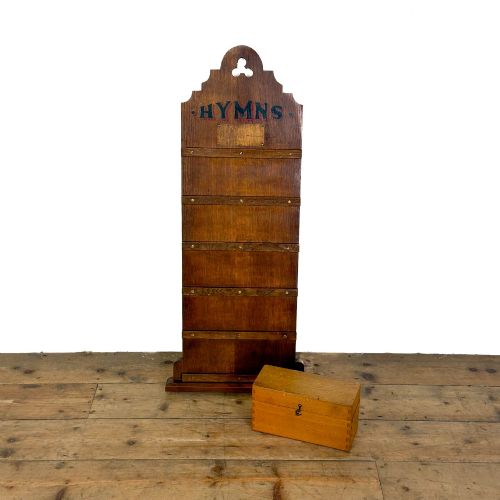
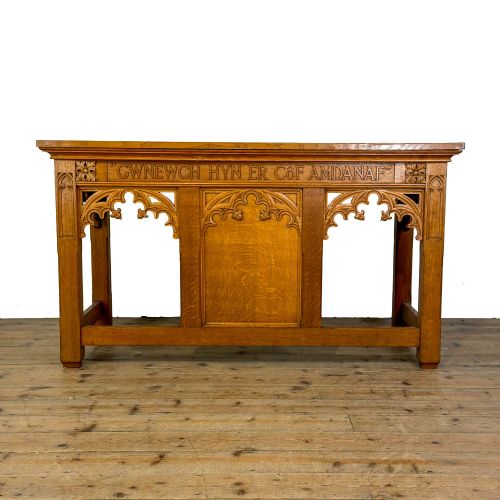
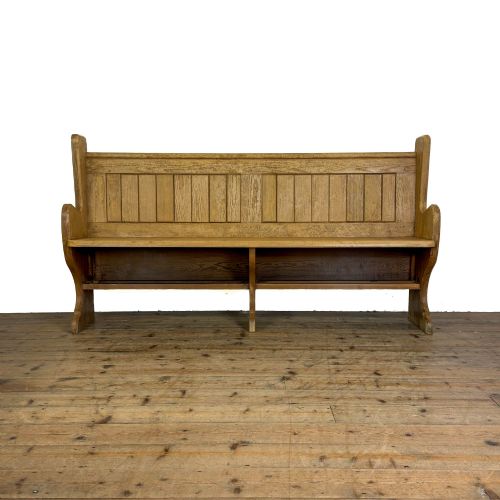
Antique chapel furniture encompasses functional pieces originating from ecclesiastical settings, including pews, benches, altar tables, and hymn boards. These items carry the quiet dignity of their original homes and adapt readily to contemporary domestic spaces.
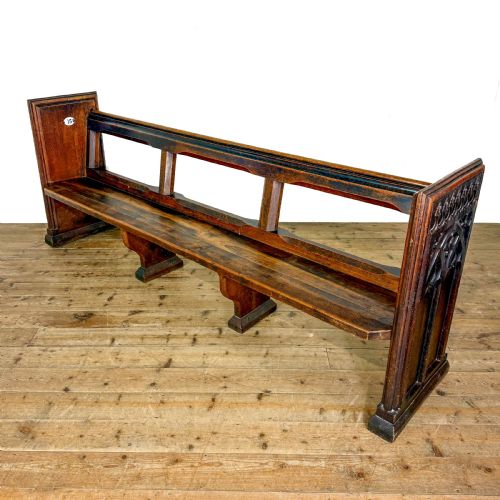
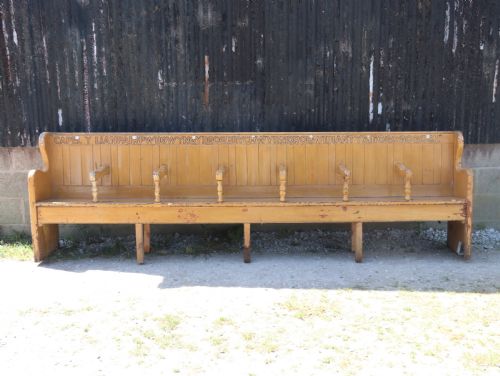
The pieces on this page span several distinct periods, most notably the nineteenth century, alongside Edwardian and 1930 examples. Visitors frequently encounter robust pine pews and oak tables bearing the architectural hallmarks of Gothic revival design.
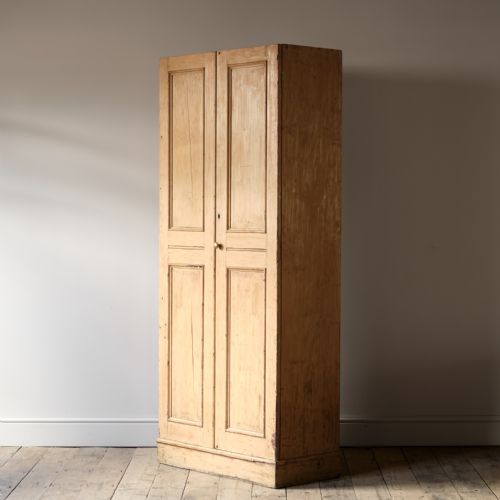
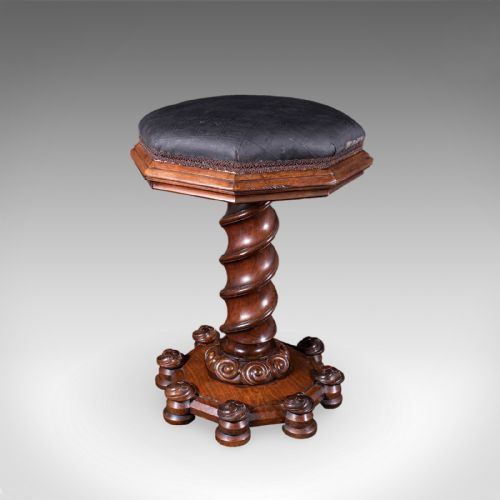
Forms range from long benches and church chairs to specialised items like music stools, cupboards, and painted pine benches marked for specific chapels. Each object reflects the practical needs of rural and estate places of worship.
How they were made
Construction relies heavily on domestic timbers such as oak, pitch pine, and standard pine, chosen for durability and availability. Cabinet makers and joiners utilised solid boards to withstand heavy daily use in ecclesiastical environments.
Surface treatments vary from natural waxed finishes highlighting the grain to historic painted surfaces, particularly on nineteenth-century cupboards and benches. Metal details like brass appear selectively on functional elements.
Gothic revival styling introduced pointed arch motifs, carved tracery, and sturdy framing techniques that defined nineteenth-century ecclesiastical joinery.
Materials span native oak and pitch pine alongside painted pine and walnut.
What varies in quality
The distinction between standard utility items and finer examples often rests on the choice of timber and the ambition of the design. Dense oak and pitch pine structures generally indicate a more substantial piece than lighter secondary softwoods.
Proportion and architectural detailing set finer ecclesiastical items apart, particularly where carvers applied Gothic revival motifs with precision. Retained original finishes, such as early paint layers or historic markings, add considerable depth of character to utility pieces.
The Antique Chapel Furniture Glossary
- Pew
- A long wooden bench with a high back, designed for seated congregations in churches and chapels. These pieces form the backbone of ecclesiastical seating.
- Gothic Revival
- An architectural and decorative style popular in the nineteenth century that revived medieval forms. It is characterised by pointed arches and robust framing.
- Pitch Pine
- A dense, resinous softwood commonly used in nineteenth-century joinery for its strength and prominent grain. It resists wear remarkably well.
- Altar Table
- A substantial wooden table placed at the front of a chapel for communion or ceremonies. These are often executed in heavy oak.
- Hymn Board
- A wall-mounted wooden board used to display numbers for hymns during a service. They feature slots or ledges for individual number cards.
Antique Chapel Furniture: Frequently Asked Questions
What is chapel furniture?
Chapel furniture comprises utilitarian and decorative items made for religious services, including pews, benches, altar tables, and hymn boards.
These pieces were built from robust timbers like oak and pine to endure decades of communal use.
How were pews used?
Pews served as fixed communal seating for congregations during long services in rural and estate chapels.
Their long backs and solid benches provided straightforward seating before individual chairs became common.
How do I date these pieces?
Dating relies on timber selection, structural joinery methods, and stylistic cues such as Victorian Gothic revival motifs.
Nineteenth-century examples often display simpler pine construction, while Edwardian pieces introduce refined church chairs.
Where can I put a chapel bench?
Chapel benches fit well in hallways, boot rooms, or alongside dining tables where sturdy seating is required.
Their narrow profile makes them practical for circulation spaces while adding historic character.